Sabrina Carpenter Sparks Backlash at Coachella for Calling Arabic Ululation 'Yodeling' and 'Weird'
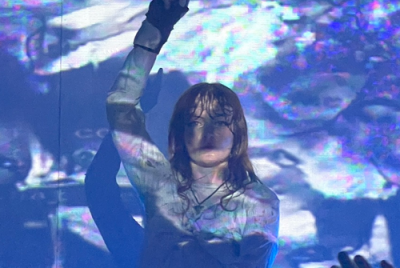
INDIO, Calif. — Sabrina Carpenter, headlining Coachella Valley Music and Arts Festival on Friday night, found herself at the center of a cultural controversy after she misidentified a fan's traditional Arabic ululation as "yodeling" and repeatedly described the celebratory vocalization as "weird" during her set.

The 26-year-old pop star was mid-performance at the Empire Polo Club when an audience member let out a loud zaghrouta — a high-pitched, trilling call common in Arab, Middle Eastern and North African cultures used to express joy and celebration. Carpenter paused, addressing the moment in real time on the livestream.
"I think I heard someone yodel. Is that what you're doing?" Carpenter said, according to multiple accounts and viral clips. When the fan responded, she added, "I don't like it." As the concertgoer explained it was part of their culture, Carpenter replied, "That's your culture, yodeling? Is this Burning Man? What's going on? This is weird," before continuing her show.
The exchange, captured on video and shared widely on social media platforms including X and TikTok, ignited immediate backlash. Critics accused the Grammy-winning artist of cultural insensitivity, ignorance and disrespect toward Arab and North African traditions.
Viral Backlash and Social Media Firestorm
Within hours, the clip amassed millions of views. Many users expressed disappointment, with comments labeling Carpenter as "uncultured," "ignorant" and even calling for her to be "canceled."
"Sabrina Carpenter is so ignorant. Someone was doing a zaghroot (an Arab cheer), and she called it yodeling and disrespectfully dismissed the fact that it was part of the person's culture," one widely shared post read.
Others echoed the sentiment: "Sabrina saying yodeling culture is weird after a fan explained that it's part of their culture — is she dumb?? She's such a loser." Some defended her, suggesting it was an awkward but harmless misunderstanding in the heat of a live performance, while others pointed out the moment highlighted a lack of cultural awareness.
The controversy erupted on opening night of Coachella 2026, where Carpenter was a headliner delivering what many called an ambitious, high-energy set filled with hits like "Espresso" and "Please Please Please." Despite the strong overall performance, the fan interaction overshadowed parts of the buzz.
Understanding the Cultural Context
Ululation, known as zaghrouta in Arabic or similar terms across regions, is a longstanding vocal tradition. Women and men use the rapid tongue trills during weddings, births, festivals and moments of triumph to convey happiness and solidarity. It is not yodeling, a Swiss and Alpine folk technique involving rapid pitch changes, nor is it associated with Burning Man aesthetics.
Cultural experts and advocates noted that dismissing such a practice publicly can feel alienating, especially at a diverse, international festival like Coachella, which attracts attendees from around the world.
"This isn't just a 'weird sound' — it's a beautiful expression of joy rooted in centuries of tradition," one commentator posted alongside educational videos about ululation. Supporters of Carpenter argued she simply didn't recognize the sound and reacted spontaneously, without malice.
Carpenter has not issued a public statement on the incident as of Saturday. Her representatives did not immediately respond to requests for comment.
Carpenter's Coachella Triumph Amid Controversy
Despite the backlash, much of the coverage of Carpenter's set remained positive. The singer, riding high on the success of her "Short n' Sweet" era, delivered a polished, theatrical performance described as her most ambitious to date. She incorporated elaborate staging, costume changes and guest appearances that drew cheers from the desert crowd.
This marks Carpenter's first time headlining Coachella. In pre-festival interviews, she teased the production as a major step up, reflecting her meteoric rise from Disney child star to global pop powerhouse. Her ability to blend bubblegum pop with sharp songwriting has earned her critical acclaim and a devoted fan base, often called "Carpenters."
The festival itself continues to draw massive crowds and international attention, serving as a launchpad for artists and a cultural barometer. Past editions have seen their share of controversies, from stage mishaps to political statements.
Broader Conversations on Cultural Sensitivity in Music
The incident taps into ongoing discussions about cultural literacy in the entertainment industry. As global stars perform for diverse audiences, moments of misunderstanding can quickly amplify online. Similar debates have surrounded other artists accused of appropriation or insensitivity in recent years.
Supporters of Carpenter emphasize context: live shows are unpredictable, and quick reactions aren't always perfectly calibrated. Detractors argue that basic awareness of common cultural expressions should be expected from a performer of her stature.
Arab and Muslim community voices on social media called for education rather than outright cancellation. "It's okay to not know, but doubling down and calling it 'weird' after explanation hurts," one user wrote.
Carpenter's Career Trajectory
At 26, Carpenter has navigated fame with a mix of charm, humor and occasional controversy. Her transition from acting on "Girl Meets World" to music stardom culminated in chart-topping success. Hits like "Nonsense" and her latest album have solidified her as a Gen Z icon known for witty, flirtatious anthems.
This Coachella moment comes as she continues expanding her influence, with sold-out tours, brand deals and acting projects. How she addresses the backlash — if at all — could shape the narrative moving forward.
Festival organizers have not commented. Coachella 2026 weekend one continues through Sunday, with weekend two scheduled for the following week.
As clips continue circulating, the episode serves as a reminder of the tightrope artists walk in the age of livestreams and instant social media judgment. What began as a fan's enthusiastic celebration turned into a flashpoint on cultural respect and awareness.
Carpenter's set otherwise showcased her growth as a performer, blending vulnerability, charisma and showmanship. Whether this incident fades or lingers may depend on her response and how fans process the exchange in the days ahead.
For now, the desert festival's opening night will be remembered not only for Carpenter's musical prowess but for a spontaneous moment that sparked important cross-cultural dialogue.
© Copyright 2026 IBTimes AU. All rights reserved.
- Recommended For You