Peter Thiel's 10 Most Insightful Quotes: Timeless Wisdom from Tech's Bold Contrarian
SAN FRANCISCO — Peter Thiel, the billionaire co-founder of PayPal and Palantir Technologies and an early investor in Facebook, remains one of Silicon Valley's most provocative thinkers. Known for his contrarian views on innovation, competition and the future of humanity, Thiel's ideas continue to shape startup culture and public discourse even as he delves into topics like artificial intelligence, longevity and biblical prophecy in 2026.
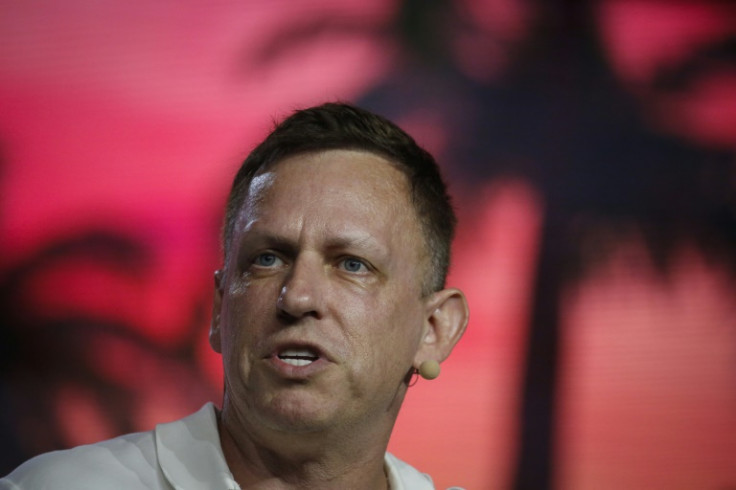
His seminal book "Zero to One: Notes on Startups, or How to Build the Future," co-authored with Blake Masters, distills lessons from his Stanford lectures and remains a must-read for entrepreneurs. While Thiel has made headlines recently for private lectures on the "Antichrist" and warnings about technological stagnation, his core quotes on business, courage and originality endure as guides for founders navigating uncertain times.
Here are 10 of Thiel's most powerful and frequently cited quotes, drawn from his writings, interviews and lectures, along with context on why they resonate today.
1. "The most contrarian thing of all is not to oppose the crowd but to think for yourself."
Thiel emphasizes independent thought over mere rebellion. In a world of groupthink and viral trends, successful innovators identify truths others overlook by returning to first principles. This idea underpins much of his critique of "indefinite optimism" — the vague hope that progress will happen without deliberate planning.
2. "Brilliant thinking is rare, but courage is in even shorter supply than genius."
Repeated across multiple sources, this line highlights that execution requires bravery more than raw intellect. Thiel, who backed bold bets like SpaceX and Palantir, argues that many smart people fail because they lack the willingness to defy conventional wisdom. A January 2026 wealth column revisited this quote to underscore Thiel's philosophy that monopoly-building demands fortitude.
3. "Every moment in business happens only once. The next Bill Gates will not build an operating system. The next Larry Page or Sergey Brin won't make a search engine. And the next Mark Zuckerberg won't create a social network. If you are copying these guys, you aren't learning from them."
From the opening of "Zero to One," this warns against imitation. True progress comes from creating new categories — going from zero to one — rather than incremental improvements or globalization-fueled competition. In 2026, with AI reshaping industries, Thiel's call for originality feels especially urgent amid waves of copycat startups.
4. "The best entrepreneurs know this: every great business is built around a secret that's hidden from the outside. A great company is a conspiracy to change the world; when you share your secret, the recipient becomes a fellow conspirator."
Thiel portrays successful ventures as quests to uncover and protect unique insights. This "secret" mindset fosters mission-driven teams. He contrasts it with competitive markets where secrets are absent and profits erode.
5. "Monopoly is the condition of every successful business."
Far from viewing monopolies as evil, Thiel sees them as proof of creating real value through innovation. Competitive markets, he argues, drive businesses to mediocrity. "All happy companies are different: each one earns a monopoly by solving a unique problem. All failed companies are the same: they failed to escape competition," he writes. This framework influences how venture capitalists evaluate defensibility in 2026's crowded tech landscape.
6. "Competition can make people hallucinate opportunities where none exist."
Thiel cautions that intense rivalry distorts reality, leading founders to chase crowded spaces. Instead, he advocates starting in small, overlooked markets and scaling from there. This ties into his broader stagnation thesis, recently reaffirmed in 2025 interviews where he noted slowed progress since the 1970s despite technological advances.
7. "Your mind is software. Program it. Your body is a shell. Change it. Death is a disease. Cure it. Extinction is approaching. Fight it."
This radical transhumanist declaration reflects Thiel's long-standing interest in longevity and defying natural limits. He has funded life-extension research and views death as solvable through technology. In recent years, he has connected such ideas to Christian theology and warnings about apocalyptic risks from unchecked globalism or regulation.
8. "Education is a bubble in a classic sense. To call something a bubble, it must be overpriced, and there must be an intense belief in it."
Thiel famously critiques higher education as an inflated credentialing system that burdens graduates with debt while delivering diminishing returns. He dropped out of Stanford Law School and has promoted alternatives like the Thiel Fellowship, which pays young people to skip college and build companies. This view gained traction amid ongoing debates over student debt and workforce readiness.
9. "What's preventing you from achieving your ten-year goals inside of six months?"
A provocative challenge to founders, this quote urges aggressive timelines and questions self-imposed limits. Thiel often contrasts "definite optimism" — planning a specific future — with indefinite attitudes that delay progress. It encourages ruthless prioritization in resource-scarce startup environments.
10. "The most valuable businesses of coming decades will be built by entrepreneurs who seek to empower people rather than try to make them obsolete."
In an era of rapid AI adoption, Thiel stresses technology that augments human capability. He has expressed concerns about stagnation and the need for breakthroughs in energy, transportation and biotechnology. His 2025-2026 lectures on biblical end-times themes and technology regulation tie into broader fears that centralized control could stifle innovation.
Thiel's influence extends beyond quotes. As a co-founder of Founders Fund, he has backed companies pushing boundaries in defense, data analytics and space. His political involvement, including support for Donald Trump, and recent real estate warnings about a potential "catastrophe" for young Americans reflect a worldview skeptical of mainstream consensus.
Critics accuse Thiel of elitism or overly pessimistic takes on democracy and globalization, citing his statement that "I no longer believe that freedom and democracy are compatible." Yet supporters praise his willingness to question sacred cows, from university prestige to indefinite progress narratives.
In 2026, with AI accelerating and geopolitical tensions rising, Thiel's emphasis on secrets, monopolies and courage offers a counterpoint to hype cycles. His recent Rome lectures on the Antichrist — interpreting fears of technology regulation as apocalyptic forces — sparked debate among theologians but underscored his fusion of tech, philosophy and faith.
Entrepreneurs often return to these ideas when facing doubt. Thiel's PayPal experience taught him that naivety about difficulty can fuel breakthroughs: "If I had known how hard it would be to do something new... I would never have started PayPal."
His philosophy promotes definite plans over vague hopes. "Indefinite fears about the far future shouldn't stop us from making definite plans today," he advises.
As startups grapple with economic pressures and regulatory scrutiny, Thiel's quotes serve as both inspiration and warning. Building from zero to one requires rejecting imitation, embracing secrets and mustering courage where genius alone falls short.
Thiel continues to invest and speak out, reminding technologists that progress is not inevitable but earned through bold, original action. Whether one agrees with his politics or theology, his core business insights retain power for anyone seeking to create lasting value.
In an age of fast-follower apps and AI wrappers, Thiel's call to uncover hidden truths and build monopolies on genuine innovation stands as a timeless provocation.
© Copyright 2026 IBTimes AU. All rights reserved.
- Recommended For You