

OnePlus Confirms Exit From the US and Europe But Promises Continued Support for Existing Phone Owners
OnePlus to cease new device releases in US and Europe, focusing on China and India
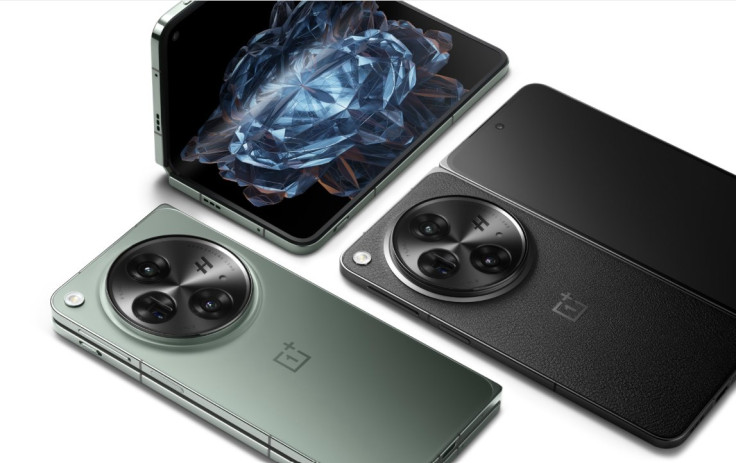
OnePlus confirmed Thursday that it is exiting the United States and European markets, ending its run as a mainstream Android smartphone brand in two regions where it had built a loyal following among tech enthusiasts over the past decade.
The Chinese smartphone maker said the two regions will no longer receive new device releases, and that remaining inventory of current models will be sold off as the company winds down its presence. OnePlus said it will now focus its operations on just two markets going forward: China and India.
Despite the withdrawal, OnePlus said existing customers in the US and Europe will not be left without support. The company confirmed that current users will continue to receive software updates, security patches and after-sales support as previously promised when they purchased their devices. That commitment mirrors assurances OnePlus gave PCMag in April, when the company said "all users' after-sales support, software updates, and rights commitments are fully guaranteed" amid earlier reports of a potential US shutdown.
One notable change for existing users will be the shutdown of the OnePlus Community website for customers in the affected regions, set to go offline on August 16. "Community content will no longer be publicly accessible," OnePlus said in its announcement. The company urged users who want to preserve their contributions to the platform to act before the deadline. "If you would like to keep copies of your posts, comments, photos, guides, or other contributions, please save them manually before that date," OnePlus said.
Alongside the market exit, OnePlus is making a significant software change for its remaining device lineup. The company is retiring its long-running OxygenOS software in favor of ColorOS, the operating system used by its parent company, Oppo. When ColorOS 17 launches later this year, eligible OnePlus devices in North America and Europe will have the option to voluntarily update to the new software, according to the company. Devices that don't qualify for the update won't be left behind entirely, however. "Legacy models that are not eligible for this specific upgrade will continue to receive software maintenance," OnePlus said.
OnePlus attributed the decision to a "proactive global strategy adjustment," language that suggests the move was a deliberate business decision rather than a response to a single triggering event. The exit had been anticipated for some time, following a string of rumors and internal personnel changes that had fueled speculation about the brand's future outside its core Chinese and Indian markets.
Reporting on the situation began building earlier this week, when German outlet WinFuture cited sources indicating that OnePlus's parent company, Oppo, would formally announce the brand's wind-down in the US and Europe. That report came after months of uncertainty, including an April statement from OnePlus North America telling PCMag that the company was "evaluating its regional roadmap and product strategy" amid earlier speculation about a potential shutdown. According to WinFuture, even OnePlus's own internal teams were largely kept in the dark about the reasoning behind the broader strategic shift, with the outlet unable to pin down a specific cause for the change.
As part of the restructuring, Oppo is expected to narrow OnePlus's focus toward budget-friendly devices in China and India, while simultaneously expanding its own branded footprint in Europe to help fill the gap left by OnePlus's departure. Evidence of that transition was already visible before Thursday's official confirmation, with OnePlus's German website reportedly steering some customers toward Oppo devices in the lead-up to the announcement.
OnePlus built its reputation in Western markets over the past decade by offering flagship-level specifications at prices typically undercutting rivals like Samsung and Apple, earning a dedicated following among tech enthusiasts who valued the brand's "flagship killer" positioning even as its lineup expanded into more premium price tiers in recent years. The brand's exit marks a significant retreat for a company that had steadily grown its presence in the US market despite ongoing competition from larger, more established smartphone makers.
The company's most recent major US release, the OnePlus 15, faced a bumpy path to market. The device was delayed last year due to a government shutdown in the United States that held up regulatory review. The Federal Communications Commission ultimately cleared the phone for sale in November, and OnePlus began shipping the device in December, just months before Thursday's announcement of the broader market exit.
A follow-up device, the OnePlus 15R, launched earlier this year and represented one of the brand's final new releases in the US market. However, the company's flagship 2026 device, the OnePlus 15T, never made it to American shelves, leaving the 15R as one of the last new OnePlus phones US customers will have had the opportunity to purchase before the company's formal exit.
For current OnePlus owners in the US and Europe, the practical impact of the announcement is likely to be limited in the near term, given the company's commitment to continued software and security support. But the shutdown of the community platform and the shift away from OxygenOS toward Oppo's ColorOS signal a broader transition that will gradually change the software experience for existing devices, even as OnePlus works to honor its support commitments to customers who purchased phones before the exit was announced.
The move leaves OnePlus operating in a significantly narrower footprint than it held just a few years ago, when the brand had expanded aggressively across international markets in pursuit of the kind of mainstream smartphone success achieved by larger competitors. With the company now consolidating around China and India, and Oppo positioned to expand its own presence in the vacated European market, the restructuring marks one of the more significant shifts in the smartphone industry's competitive landscape so far this year.
© Copyright 2026 IBTimes AU. All rights reserved.