

Jannik Sinner Battles Back From French Open Collapse to Retain Wimbledon Title in Dramatic Comeback
Sinner Overcomes Early Challenges to Secure Fifth Grand Slam Title
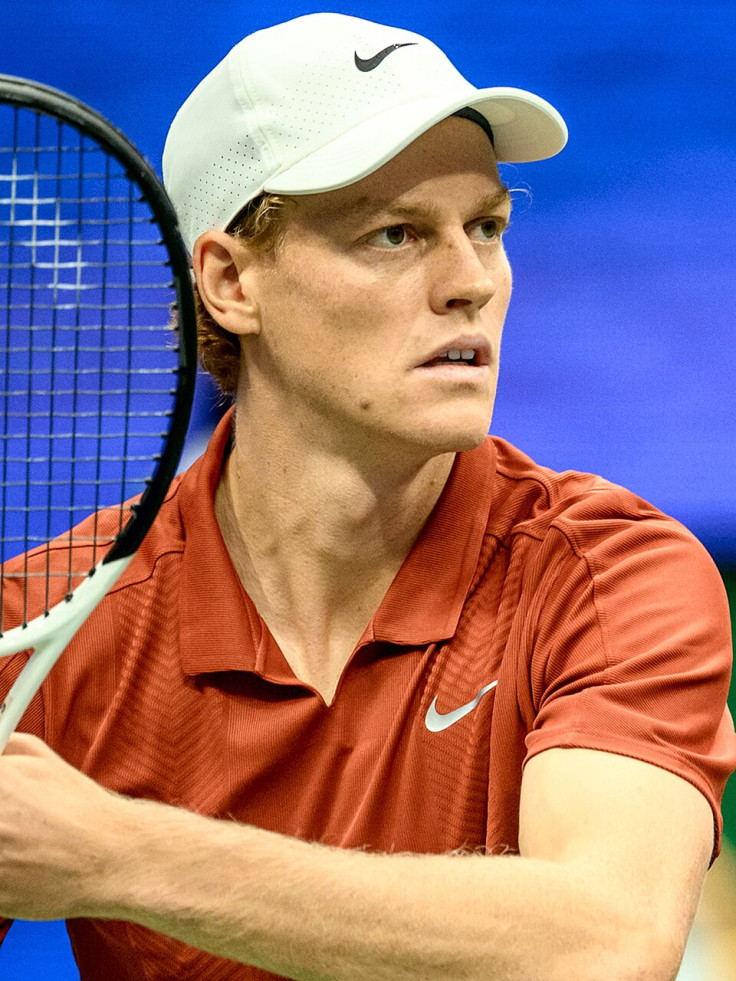
Jannik Sinner overcame a first-round scare, a five-set marathon and a slow start in the final to defeat Alexander Zverev in four sets Sunday, becoming just the 10th man in the Open era to retain the Wimbledon men's singles title and capturing his fifth career Grand Slam championship.
The Italian world No. 1 dropped the opening set before rallying to win the match, ultimately sealing the victory with his 58th winner of the final after three hours and 46 minutes on court. Sinner fell to the ground in celebration once the match concluded, a moment that closed out a fortnight defined as much by resilience as by dominant tennis.
The comeback carried particular weight given how Sinner's tournament began and the circumstances surrounding his arrival at the All England Club. Sinner had not competed since suffering what BBC Sport described as an extraordinary collapse in the French Open second round the previous month, losing to Argentina's Juan Manuel Cerundolo after leading by two sets and 5-1. That defeat marked his earliest Grand Slam exit in three years and raised fresh questions about his physical and mental durability in extended matches, given that Sinner had lost eight of his previous nine matches that went the distance before Wimbledon.
Those questions intensified almost immediately once the tournament began. Sinner was forced to come from behind to beat Miomir Kecmanovic in five sets in his opening match, narrowly avoiding becoming only the third defending Wimbledon men's champion in history to lose in the first round. By beating Zverev in Sunday's final, Sinner became the first player in 48 years to win the Wimbledon men's singles title after being taken to five sets in his opening match, a feat last managed by Spanish great Rafael Nadal at the 2011 French Open.
Sinner reflected on the emotional weight of overcoming back-to-back setbacks in Paris across consecutive years before finding his footing again at Wimbledon. "This one means a lot because it was a tough one after Paris, again," Sinner said. "Last year was also tough. But coming here, I tried to put myself in the best position to be as competitive as possible. We put in a lot of long days, sacrificing a lot to be in this position."
The pattern echoed Sinner's Wimbledon triumph the previous year, when he arrived at the All England Club having endured what BBC Sport called a far greater catastrophe: a collapse in the French Open final against rival Carlos Alcaraz, in which Sinner lost from two sets and three championship points up. He went on to beat Alcaraz for the Wimbledon title just 35 days later, establishing a pattern of turning devastating losses into springboards for major triumphs at the tournament he grew up watching as a child, before tennis had fully overtaken skiing and football for his attention.
Sinner's coach, Darren Cahill, credited his player's mental makeup for consistently transforming setbacks into fuel for his best performances. "There have been a few kicks in the stomach along the way. Tough losses. What makes us most proud is the way he comes back," Cahill said. "It doesn't put him down for long. That's his attitude in tennis and in life. We spoke about his resilience, and being able to come back and be bigger, stronger and faster whenever he has a bad moment. If you don't have those tough moments, maybe you never grow like he has been able to."
Once he cleared his opening-round scare, Sinner's form through the rest of the tournament left little doubt about his overall dominance. He reeled off straight-set wins in each of his next five matches on the way to the final, highlighted by a two-hour, 20-minute demolition of men's record 24-time major champion Novak Djokovic in the semifinals, a match in which Sinner faced just a single break point and dismissed it with an ace.
Former British No. 1 Tim Henman praised the quality of Sinner's performances across the tournament's closing rounds while calling the Zverev victory a fitting way to defend his title. "A worthy champion, an incredible defence of his title. As the great players do, they find the way to win," Henman said on BBC TV. "Sinner's performances against Djokovic and Zverev have been truly world class."
Sunday's final also carried significance for Zverev, who ended his long wait for a first Grand Slam title last month but has now lost 10 consecutive matches against Sinner, underscoring the gap that continues to separate the two at the very top of the sport. Zverev is set to move up to world No. 2 in Monday's rankings update, replacing an injured Alcaraz, reflecting his continued rise even in defeat.
Sinner's overall record this season now stands at 44 wins in 47 matches, and he has won 77 of 83 matches since beginning his current Wimbledon title-winning stretch 12 months ago, a run that included a 30-match win streak between March and May and five consecutive Masters 1000 titles before his French Open stumble. That level of largely unchecked dominance has left many within the sport hoping for a swift return to full health for Alcaraz, whose emerging rivalry with Sinner had begun generating significant attention before injury interrupted his own campaign.
Former Wimbledon champion Marion Bartoli drew a striking historical comparison in assessing Sinner's trajectory following his latest triumph. "I think we have seen the new Novak Djokovic for the next 10-15 years," Bartoli told BBC Radio 5 Live. "The way he was able to weather the storm when he had to, come up with an extraordinary shot when he had to, it reminds me so much of Djokovic."
With his fifth major title now secured and his resilience under pressure once again on full display, Sinner heads into the remainder of the season as the sport's clear standard-bearer, having demonstrated an increasingly familiar pattern: absorbing devastating setbacks in Paris only to respond with some of his most commanding tennis on the grass courts of Wimbledon weeks later.
© Copyright 2026 IBTimes AU. All rights reserved.