Detroit Rapper Pretty Brayah Takes 20 Jail Days Instead of Two Years Under Court Supervision
Debrayah Trinette Williams opts for a short jail term, sparking widespread debate on probation's pitfalls.

DETROIT — Pretty Brayah looked at two years of check-ins, fees and travel limits and picked a shorter, harder option: 20 days in jail.
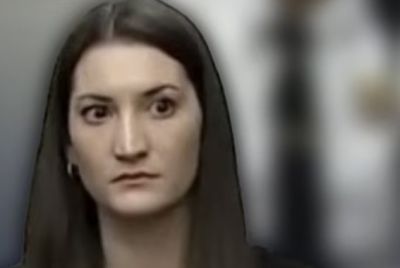
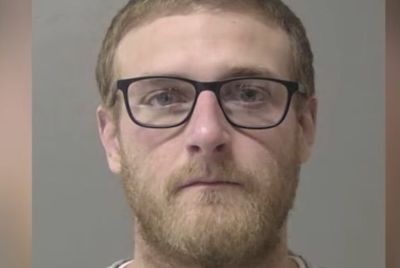
The Detroit rapper, whose legal name is Debrayah Trinette Williams, posted a mug shot on X on Aug. 28, 2025, with a single line: "My options were 20 days jail or 2 years probation so 🤷🏽♀️." The post drew hundreds of thousands of likes and tens of millions of views within two days. It has kept resurfacing into 2026, including a wave of clips and debate this summer, because the choice is easy to understand and hard for a lot of people who have been on paper.
She did not publish a long manifesto. The shrug was the argument. Jail ends on a calendar. Probation can last until a missed appointment, an unpaid fee or a dirty test sends someone back in — often for more time than the original short sentence.
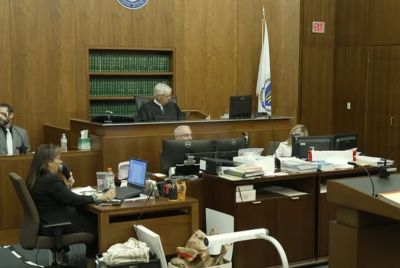
Reports around the case describe two third-degree felony counts tied to a Michigan car collision. Full court files were not widely released with the viral post, and mainstream Detroit television coverage of the specific docket is thin compared with the social traffic. What is on the record from her is the binary the judge put on the table and which side she took.
Probation in Michigan and most states is not a free pass home. It is a contract: report to an officer, stay in the county or get permission to leave, submit to searches and tests, pay supervision fees, complete classes, keep a job or prove why not. Defense lawyers who commented on the clip — including attorneys posting explainers months later — said the math is familiar. A client who can do 20 days and walk out clean often prefers that to 24 months in which any new ticket can reopen the whole case.
Fees are part of why the post traveled. Commenters described $30 to $100 a month for supervision, extra charges for drug screens, and classes billed by the hour. One widely shared reply recounted a six-month underage-drinking probation that stacked a $600 fine with $35 monthly visits and $20 tests. Those numbers vary by county. The structure does not: miss a payment, miss a date, and the "deal" becomes a warrant.
Williams is a local rapper with a following that already mixed street humor and blunt talk. That tone made the caption land as strategy rather than self-pity. Radio shows, including a September 2025 segment on "Way Up With Angela Yee," asked listeners which option they would take. The split was not theoretical. People who had finished probation said the leash was the punishment. People who had never been on it said jail is still jail.
She turned herself in and served the days. There is no public statement from the sentencing judge in the coverage that circulated with the post. There is no lengthy quote from Williams beyond the caption and later remarks that she was still surprised the clip kept circulating. In March 2026, as the post recirculated, she reacted with a laugh about still going viral for the same choice.
The debate the clip revived is older than her case. Researchers and public defenders have argued for years that probation can function as a trap for people who work irregular hours, lack a car or cannot float extra fees. Technical violations — not new crimes — account for a large share of returns to custody in many states. Supporters of supervision say it keeps people working and housed instead of sitting in a county bunk. Both things can be true in the same courthouse.
For a working musician, two years of travel restrictions are not abstract. Tours, features and last-minute shows collide with a probation officer's calendar. Twenty days is a canceled run and a date certain. That is the career reading of the shrug. The civic reading is that a short sentence with an end date can be more predictable than a long one with conditions written for someone with a steady paycheck and a spare afternoon.
None of that makes jail gentle. County time is noise, commissary and whoever is in the next bunk. Williams chose it anyway. The internet treated that as either common sense or a stunt. The post itself is smaller than the think pieces: two options, one emoji.
By September 2026 the story is less breaking news than a case study that keeps getting quoted when someone else faces the same box on a plea form. The confirmed words remain hers. "My options were 20 days jail or 2 years probation so 🤷🏽♀️." She picked the 20 days, served them, and left the supervision to people who wanted two years of being watched. The views kept coming. The sentence, at least the one she chose, had already ended.
© Copyright 2026 IBTimes AU. All rights reserved.
- Recommended For You