

Glen 'Big Baby' Davis Names Ex-NBA Stars He Says Escaped Charges In Healthcare Fraud Scandal, Some Deny
Former NBA player Glen Davis accuses selective prosecution in healthcare fraud scandal, naming uncharged players.
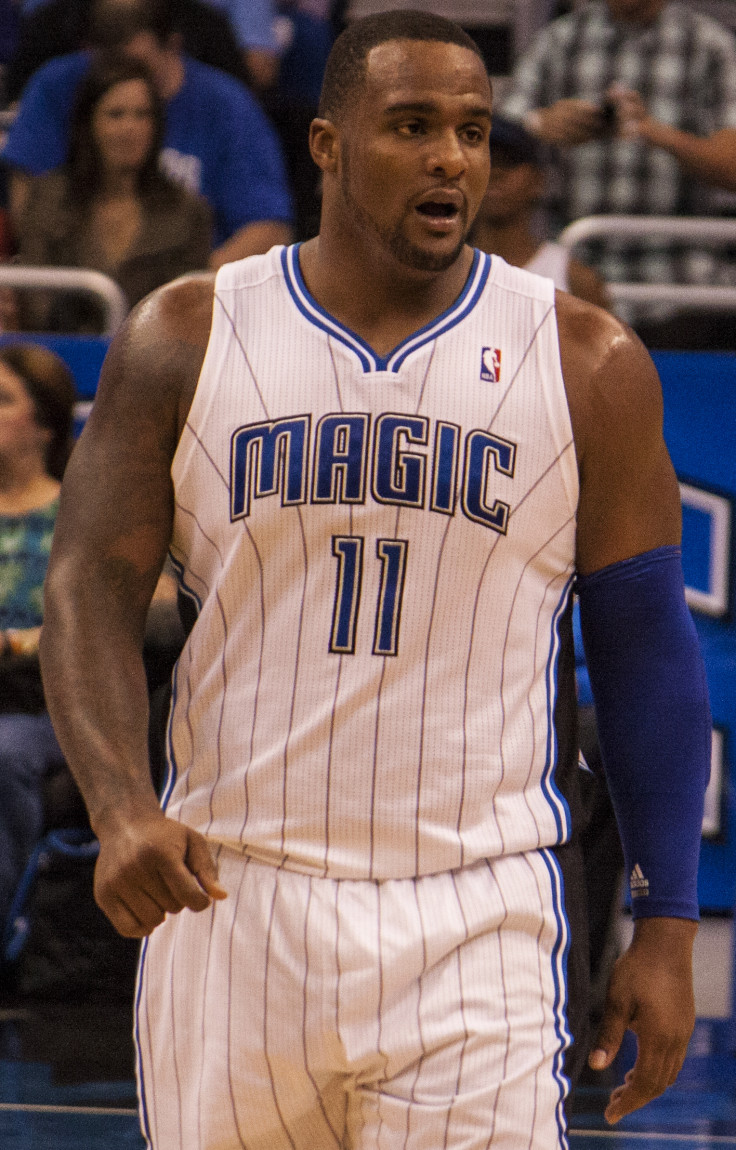
BOSTON — Former NBA forward Glen "Big Baby" Davis has publicly named several prominent former players he claims were investigated as part of the league's multimillion-dollar healthcare fraud scandal but ultimately avoided prosecution, prompting swift denials from at least three of the individuals he identified.
Davis, who served 17 months in federal prison for his role in the fraud scheme before his release last March, made the claims during an appearance on the "Locked In with Ian Bick" podcast. Davis, now serving a three-year probation term following his release, insisted that federal prosecutors and the NBA selectively pursued charges against a small group of former players while others who engaged in similar conduct avoided legal consequences entirely.
"I think the Feds picked and chose who they wanted to be," Davis said. "I think the NBA let the Feds pick who they wanted and choose to. Because if 180 people were investigated, subpoenaed, we didn't hear about those people. We just heard about the 20, 22 people that got caught or that got jammed in a situation."
Davis went on to name several former players he said had been investigated but never publicly charged, including some who have since built prominent media careers.
"Your favorite podcast, people you see on different podcasts," Davis said. "Matt Barnes, Stephen Jackson; all those people were investigated. Gilbert Arenas, Corey Maggette, Cuttino Mobley; thousands of NBA players were investigated. They only sent some of them to jail. Some of them, the fed got, like, Tony Allen. He didn't go to jail. Whatever he did to get free."
Davis also suggested a broader conflict of interest existed between the healthcare fund and federal prosecutors handling the case, though he offered no documentation to support that specific claim.
"I just really think the healthcare company and the feds, they were working together," Davis said. "The woman that works for the healthcare company was also the lawyer for the feds: the prosecutor, right? And so now the NBA is like, 'Oh, s---, they got these guys, you know, doing this stuff. Like, we got to give them something.' And they picked and chose who they wanted to give, right? You're not going to get our ESPN analyst guy."
The scheme Davis was convicted for centered on a scam masterminded by former 2009 first-round draft pick Terrence Williams, who recruited former players to submit false medical and dental claims to the NBA's Health Fund in exchange for kickbacks tied to fabricated invoices for procedures that were never actually performed. In 2021, federal prosecutors charged 18 former NBA players, along with a doctor, a dentist and a chiropractor, with conspiring to defraud the fund of more than $4 million.
Of those 18 charged, only five ultimately went to prison. Davis received the second-longest sentence among those convicted, at 40 months, trailing only Williams' 10-year term. Davis maintained his innocence throughout his case and chose to go to trial rather than plead guilty, a decision that ultimately resulted in his conviction and a sentence that also included $80,000 in restitution. Among the 18 defendants, only Davis and former guard Will Bynum chose to fight their cases in court rather than accept plea deals; both were convicted and sentenced to prison, while those who pleaded guilty generally received lighter sentences, including probation in several cases.
Notably, of the specific names Davis cited during his podcast appearance, only Tony Allen was among the 18 individuals actually charged in the case. Allen pleaded guilty and repaid the money prosecutors said he had improperly obtained from the fund, resulting in a sentence of probation rather than prison time. The other players Davis named, including Barnes, Jackson, Arenas, Maggette and Mobley, were not among the defendants formally charged in the case, and publicly available court records and Justice Department materials do not establish that they were investigated or implicated in the fraud scheme, according to a review of the public record.
Arenas responded directly to Davis' claims in a video posted online, firmly denying any involvement in the scheme. Barnes and Jackson also pushed back on the allegations, though their responses came through comments posted on social media rather than standalone video statements.
Beyond addressing the specific allegations against him, Davis also reflected on the broader personal toll his conviction and imprisonment has taken on his life and public standing.
"You lose relationships that you've been building up for years. Your image is tainted. All the hard work you put in as a role model is now depleted," Davis said. "You gotta start over, and you have to be a special person to start over, you know what I mean? To look that in the face and be like, oh OK, I'm going to move on and keep going. That's hard to do."
The NBA healthcare fraud case remains one of the more significant scandals to affect the league's alumni community in recent years, given both the scale of the alleged fraud and the number of former players implicated. Davis' latest comments add a new layer of controversy to the case, reigniting public discussion of the scandal nearly five years after the original charges were first announced, even as the specific claims he has made about additional, uncharged players remain unsupported by any publicly available evidence beyond his own personal account.
As of this report, none of the other players named by Davis beyond Arenas, Barnes and Jackson had issued public statements directly addressing his allegations. The Justice Department has not indicated any plans to reopen or expand its investigation into the healthcare fraud scheme in response to Davis' recent comments.
© Copyright 2026 IBTimes AU. All rights reserved.