Tupac Shakur Murder Trial Opens In Las Vegas As Duane 'Keffe D' Davis Faces Justice Nearly 30 Years Later
Decades-Old Mystery of Tupac Shakur's Murder Sees New Developments as Trial Commences
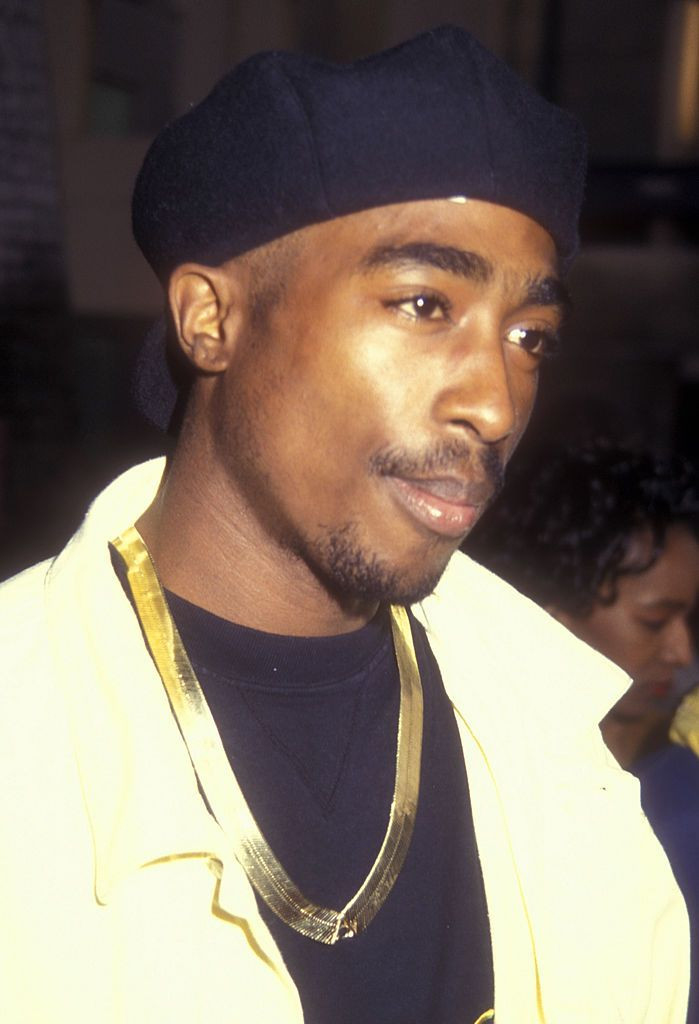
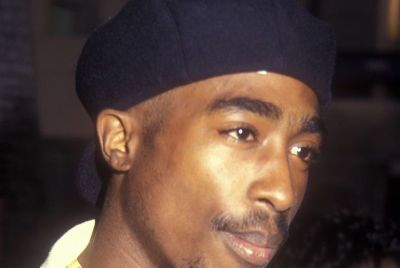
LAS VEGAS — The man accused of orchestrating the 1996 killing of rap icon Tupac Shakur went on trial Monday in Las Vegas, nearly three decades after the drive-by shooting that has stood as one of the most notorious unsolved crimes in American music history.
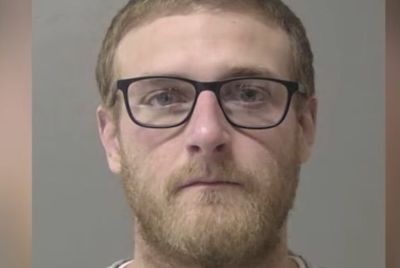
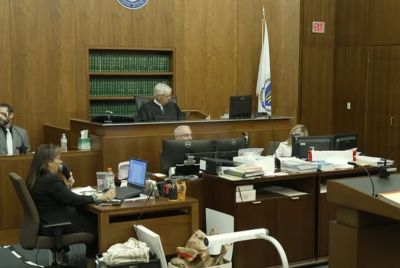
Duane "Keffe D" Davis, 63, faces a single count of murder with a deadly weapon with the intent to promote, further or assist a criminal gang in connection with Shakur's death. Jury selection began Monday before Clark County District Court Judge Carli Kierny and is expected to take about a week, with the full trial projected to run as long as a month, and by some estimates up to six weeks.
Shakur, 25, was fatally shot on September 7, 1996, while stopped at a red light near East Flamingo Road and Koval Lane, about a block off the Las Vegas Strip, after attending a Mike Tyson-Bruce Seldon boxing match at the MGM Grand. He died six days later at University Medical Center. The shooting also wounded Death Row Records executive Marion "Suge" Knight, who was driving the car. Knight is now serving a 28-year sentence in a California prison in connection with a separate, unrelated 2015 killing.
Davis has been jailed without bail since his arrest in September 2023 and has pleaded not guilty. If convicted, he faces a possible sentence of life in prison. According to court filings and reporting on the case, Davis rejected a plea deal ahead of trial, opting instead to fight the charge despite the risk of a life sentence.
Prosecutors allege Davis was the on-the-ground leader of the group responsible for the shooting and supplied the firearm used in the attack, though the case is not expected to identify who actually fired the shots. Chief Deputy District Attorney Marc DiGiacomo has previously described Davis as the "on-ground, on-site commander" who "ordered the death" of Shakur.
What makes the case unusual, legal analysts say, is the near-total absence of traditional physical evidence. There is no murder weapon, no recovered getaway vehicle and no surveillance footage of the shooting. Instead, prosecutors are relying almost entirely on Davis's own public statements — including his 2019 memoir "Compton Street Legend," years of podcast and documentary interviews, and statements he gave to police — to build their case.
"In this case, almost all of the evidence the state will seek to introduce, will be to establish the credibility of Defendant's various accounts of his role in the killing," prosecutors wrote in a recent court filing.
That reliance on Davis's own words has created what legal observers describe as an unusual courtroom dynamic: prosecutors will argue that the man they allege is a killer is nonetheless a credible narrator of his own crime, while defense attorneys are expected to portray their client as an unreliable storyteller who fabricated details to help sell books and boost his public profile. Since his arrest, Davis has said his previous accounts were false and were made largely to generate publicity, and he has blamed a co-author for inserting inaccurate information into his memoir.
Marc DiGiacomo has pointed to the irony at the center of the prosecution's case, noting that Davis's own public statements are what ultimately led to charges being filed. "Had Mr. Davis never opened his mouth, never written the book," the case likely would not have resulted in prosecution, he told the court, according to reporting on a pretrial hearing.
Davis's history with the case dates back decades. He has said publicly, including in his memoir, that he provided the gun used in the shooting to his nephew, Orlando Anderson, who authorities have long believed was the actual gunman. Anderson denied involvement before his death in an unrelated shooting in 1998 and was never charged. Authorities allege the killing was carried out in retaliation for a physical altercation between Anderson and Shakur inside the MGM Grand casino just hours before the shooting.
At the time of his 2023 arrest, Davis, a former high-ranking figure in the South Side Compton Crips street gang, spoke candidly with the arresting officer about the significance of the case. Asked what he was being taken into custody for, Davis responded that it was "the biggest case in Las Vegas history."
In pretrial rulings, Judge Kierny allowed prosecutors to introduce excerpts from Davis's book and media interviews at trial, finding that a prior proffer agreement with investigators did not shield his public statements from being used against him. She also permitted prosecutors to use statements Davis made to police during earlier proffer sessions, though she noted some concerns about the legal basis for doing so. The defense had separately sought to suppress interviews Davis gave to police in 2008 and 2009 and to have the jury fully sequestered for the length of the trial; both requests were denied, though the judge did allow for partial sequestration.
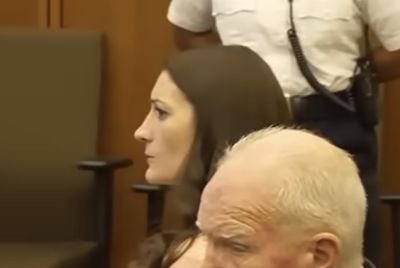
Given the intense public interest in the case, the court has implemented a daily seating lottery to manage limited courtroom capacity once the jury is empaneled, and proceedings are expected to be livestreamed, offering the public a rare, largely unfiltered look at testimony and evidence in a case that has captivated hip-hop fans for a generation.
Shakur's family members have continued to press for accountability in the decades since his death. His stepbrother, Mopreme Shakur, has spoken publicly about the significance of finally seeing the case reach trial after nearly 30 years of unanswered questions.
Once jury selection concludes, both sides are expected to deliver opening statements before witness testimony begins, with the case likely to draw sustained national attention given its cultural significance and the decades-long wait for any resolution in one of the most closely watched unsolved killings in American popular culture.
© Copyright 2026 IBTimes AU. All rights reserved.
- Recommended For You