South Korean Court Sentences Brazilian Woman for Stalking BTS Star Jungkook
Court balances deterrence and rehabilitation in high-profile celebrity stalking case
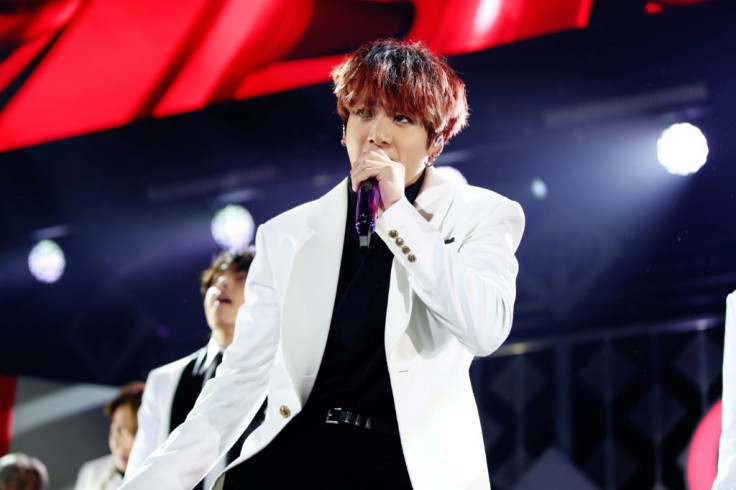
SEOUL — A Brazilian woman has been given a suspended prison sentence for repeatedly stalking BTS member Jungkook, including ringing his doorbell 133 times during one visit to his Seoul residence.
The Seoul district court sentenced the woman, who has not been publicly identified, to one year in prison suspended for two years. She is also expected to be deported from South Korea unless she successfully appeals the verdict.
The incidents began in December of last year when the woman first visited Jungkook's home. She loitered around the property, threw items over the wall and stuffed letters through gaps in the door, according to court documents.
Days later, she returned and rang the doorbell 133 times, an action the court described as demonstrating "an extreme level of obsession." She was arrested shortly afterward but released with a warning.
Despite the warning, the woman continued visiting the property, leading to an emergency court order prohibiting her from coming within 100 meters. She violated that order as well, resulting in 22 total visits over less than two months.
Court's Decision and Reasoning
The court took into account several mitigating factors in its sentencing, including the woman's expressed remorse and assessment that her risk of re-offending was "not significant." The suspended sentence reflects these considerations while still addressing the seriousness of the stalking behavior.
South Korean law treats stalking as a significant offense, particularly when it involves repeated violations of court orders and causes distress to victims. The case highlights the country's efforts to address celebrity stalking and protect public figures from harassment.
The woman reportedly told authorities her actions were motivated by "love" for the 28-year-old singer. However, the court emphasized that such behavior constitutes criminal harassment regardless of claimed intentions.
BTS Member's Situation
Jungkook, a member of the globally popular K-pop group BTS, has faced increased public attention since the group's members began fulfilling mandatory military service requirements. His solo activities and high profile have made him a target for unwanted attention.
The incident adds to previous stalking cases involving BTS members. Last year, a Chinese woman was arrested attempting to break into Jungkook's home shortly after he completed military service.
BTS management and South Korean authorities have increased security measures around the group's members. The case demonstrates ongoing challenges in protecting celebrities while respecting fan interactions.
Legal Framework for Stalking in South Korea
South Korea strengthened its anti-stalking laws in recent years following high-profile cases and public pressure. The legislation allows for restraining orders and criminal penalties for repeated unwanted contact.
Courts can impose various penalties depending on the severity and persistence of stalking behavior. Suspended sentences are common for first-time offenders who show remorse and low recidivism risk.
Deportation often accompanies convictions involving foreign nationals, particularly in cases involving public figures. Immigration authorities coordinate with courts to enforce such orders.
The legal system balances victim protection with proportionality in sentencing. Cases involving celebrities often receive heightened scrutiny and media attention.
Broader Context of Celebrity Stalking
Celebrity stalking remains a concern worldwide as social media and public visibility increase opportunities for unwanted contact. High-profile entertainers face unique challenges in maintaining personal security.
K-pop's global popularity has amplified these issues for South Korean stars. International fans sometimes travel to Korea seeking personal interactions with idols.
Industry organizations and management companies have enhanced security protocols and legal support for artists. Public awareness campaigns aim to educate fans about appropriate boundaries.
The case highlights the importance of legal frameworks that protect public figures while addressing underlying mental health and behavioral issues among stalkers. Comprehensive approaches combining law enforcement, mental health support and education prove most effective.
Public and Industry Response
The incident has drawn attention to the pressures faced by K-pop idols and the need for stronger protections. Fans and industry observers have expressed support for measures ensuring artist safety.
BTS management has not publicly commented on the specific case, consistent with their approach to personal security matters. The group's members have previously emphasized the importance of maintaining professional boundaries with fans.
South Korean entertainment companies continue developing comprehensive security strategies for their artists. These efforts include physical protection, legal support and digital monitoring.
The case serves as a reminder that celebrity status brings both opportunities and vulnerabilities. Balancing public engagement with personal safety remains an ongoing challenge for entertainers and their management.
Legal Precedents and Future Implications
Previous stalking cases involving K-pop stars have led to strengthened legal protections and increased awareness. The judicial system's response demonstrates commitment to addressing such behavior seriously.
The suspended sentence and potential deportation reflect a balanced approach focusing on deterrence and rehabilitation. The court's consideration of mitigating factors shows nuance in handling individual circumstances.
As K-pop's global influence grows, similar cases may increase in frequency. International cooperation and consistent legal standards will become increasingly important for addressing cross-border stalking incidents.
The incident underscores the need for continued dialogue about fan culture, celebrity boundaries and mental health support. Balanced approaches benefit both artists and their supporters.
South Korea's handling of the case reflects its evolving legal framework for protecting public figures while maintaining due process. The outcome provides guidance for similar situations in the future.
© Copyright 2026 IBTimes AU. All rights reserved.
- Recommended For You