Bill Oddie, Comedian, Goodies Star and Beloved Springwatch Presenter, Dies at Age 85 After Decades on TV
Celebrating the Life and Impact of Bill Oddie, Comedian and Conservationist

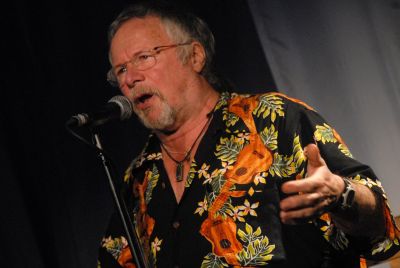
Bill Oddie, the British comedian, musician and wildlife broadcaster who became a household name first through the anarchic comedy trio The Goodies and later as one of the original hosts of BBC's Springwatch, has died at the age of 85, his agent said.
A tribute from his longtime agent
David Foster announced Oddie's death in a statement, describing him as the country's most beloved bird enthusiast. "It is with deep sadness that I announce the passing of Bill Oddie, the country's best-loved birder," Foster said, adding that Oddie was a multi-talented figure across broadcasting, comedy, writing, music and conservation, and that fame was never what he truly valued. Foster said Oddie instead spent his career encouraging others to respect and protect the natural world, describing him as someone who "protested, lobbied and campaigned" for the environment and led a movement that resonated with people of all ages and backgrounds.
From Cambridge Footlights to comedy stardom
Born in Rochdale near Manchester and raised in Birmingham, Oddie attended Cambridge University, where he joined the celebrated Footlights comedy troupe alongside future stars including Monty Python's John Cleese, Michael Palin and Terry Jones. Before finishing his studies, he was already contributing to satirical television programs including "That Was The Week That Was" in the early 1960s, and went on to write and perform on shows such as "I'm Sorry I'll Read That Again," "At Last the 1948 Show," "Twice a Fortnight" and "Doctor in the House."
Oddie's biggest comedy breakthrough came in 1970, when he formed The Goodies alongside Tim Brooke-Taylor and Graeme Garden. The trio's slapstick humor and absurdist musical numbers entertained audiences for 12 years across 76 episodes. Oddie was often described as the group's hairy, cynical, anarchist member, and he wrote novelty hit songs including "The Funky Gibbon" and "The Inbetweenies," both of which reached the UK top 10. The Goodies later collaborated on the science-fiction comedy "Astronauts" and the children's show "Bananaman," and Oddie separately appeared on kids' programs including "Tickle on the Tum" and "From the Top."
A second career built around his lifelong passion for birds
Following his comedy years, Oddie shifted his focus toward wildlife and ornithology, a passion he had held since childhood. He fronted BBC programs including "Birding with Bill Oddie," "Britain Goes Wild with Bill Oddie" and "Bill Oddie's How to Watch Wildlife," before co-hosting the first four series of Springwatch beginning in 2005, along with its companion series Autumnwatch. He was made an OBE in 2003 in recognition of his contributions to wildlife conservation.
Kate Humble, who co-hosted Springwatch's early years alongside Oddie, praised his singular ability to bring audiences into the natural world. "No-one could tell a story like Bill. No-one could make me laugh like Bill," Humble told BBC Radio 4's "The World at One," adding that he had a distinctive way of making the outdoors feel like everyone's world, something she said people loved about him.
Chris Packham, who succeeded Oddie as a Springwatch host, offered his own tribute on social media, describing Oddie's blend of humor, expertise and genuine passion for wildlife. "A renegade polymath with binoculars and a beard, Bill was invariably funny and occasionally furious," Packham wrote, adding that Oddie's deep knowledge of birds was authentic rather than performative, something Packham said made him easy to admire.
Open about a long struggle with mental illness
Oddie stepped away as a regular Springwatch host in 2009, a departure he later said was not his own choice. He subsequently described the following year as one of the most difficult of his life, as he grappled with depression and bipolar disorder. Humble said Oddie was among the earliest public figures to speak candidly about mental health struggles, recalling that he was honest even when it was difficult, while remaining, in her words, unmatched in his ability to make her laugh.
Recognition from fellow naturalists and broadcasters
Actor and birdwatcher Samuel West credited Oddie's television work with shaping his own appreciation for nature. "Bill Oddie wore a great learning lightly, but he could never hide his enthusiasm," West wrote on X, saying Oddie's improvised, captivated narration on "Birding with Bill Oddie" represented an ideal of natural history programming that introduced an entire generation to birdwatching.
Naturalist and author Stephen Moss similarly credited Oddie with popularizing birdwatching more than almost anyone else in Britain, calling him a dear friend and colleague. The RSPCA, where Oddie previously served as vice president, also paid tribute through its current chief executive, Jo Rowland, who said many of the charity's wildlife rescuers were first inspired by Oddie's broadcasting work and knowledge of British birds.
A legacy that extended beyond television
Oddie's influence reached beyond conservation broadcasting into unexpected corners of British life. Reading Football Club noted that Oddie had become a beloved guest of honor at its matches over the years, saying his signature chant would continue to live on among the club's supporters for years to come.
Oddie's personal life included two marriages. He was married to children's television writer and artist Laura Beaumont, with whom he had a daughter, Rosie. He previously was married to singer and actress Jean Hart, with whom he had two daughters, Bonnie and Kate.
A career built on genuine passion
Across more than six decades in public life, Oddie moved fluidly between comedy, music, writing and environmental advocacy, but those who knew him best said his defining trait was authenticity, whether performing absurdist sketches with The Goodies or crouched in a hedge describing a robin's song on live television. Foster, reflecting on his decades representing Oddie, said it had been an honor and a privilege to work alongside him for so long, adding that he would miss his friend terribly.
Details of funeral or memorial arrangements had not been announced as of the time of the BBC's report. Tributes from colleagues, wildlife organizations and fans continued to circulate widely following news of his death, reflecting the breadth of Oddie's decades-long career and the depth of affection he built with British audiences, first as one of the country's most beloved television comedians, and later as one of its most influential champions for the natural world.
© Copyright 2026 IBTimes AU. All rights reserved.
- Recommended For You