Wordle Fans Celebrate Clever Solve as 'DOWDY' Takes Center Stage on May 13, 2026 Puzzle
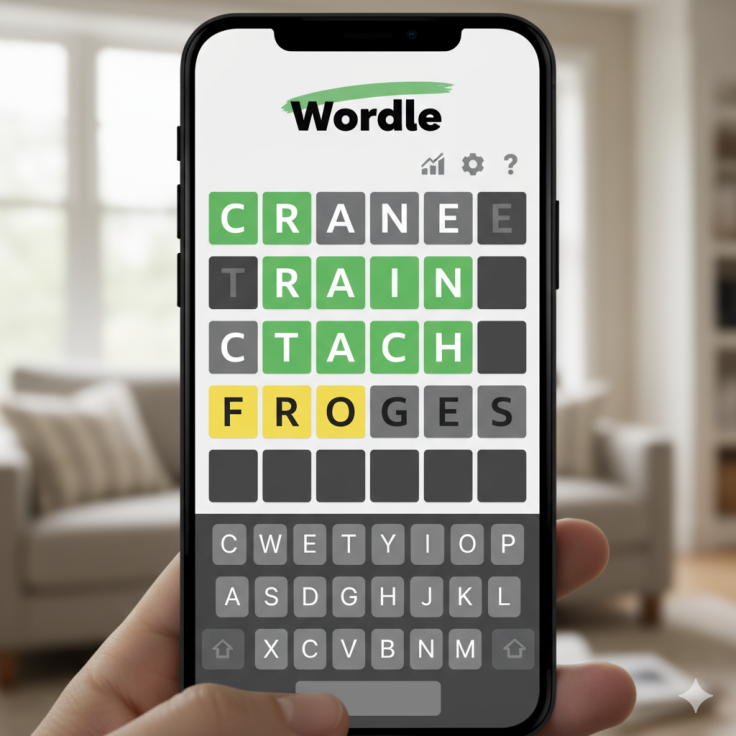
NEW YORK — Wordle enthusiasts around the globe logged in Wednesday to tackle New York Times puzzle No. 1789, discovering a word that perfectly captured an old-fashioned vibe while testing players' vocabulary and strategy skills.
The solution, "DOWDY," an adjective describing someone or something shabby, unfashionable or lacking in style, left many solvers feeling both victorious and reflective about their own fashion choices. Released at midnight Eastern Time as part of the daily word game phenomenon that has captivated millions since its 2021 surge in popularity, today's puzzle offered a mix of straightforward clues and tricky letter placements that kept players engaged.
Wordle, created by Josh Wardle and acquired by the New York Times, challenges players to guess a five-letter word in six attempts. Green tiles indicate correct letters in the right position, yellow ones show correct letters in the wrong spot, and gray tiles mean the letter doesn't appear in the answer. The game's simple mechanics have made it a staple morning routine for casual gamers, competitive word enthusiasts and families sharing scores on social media.
Hints That Guided Solvers
Early hints circulating on fan sites and social platforms proved especially useful. The word contains one vowel, features a duplicate letter and functions as an adjective. Synonyms include "antiquated," "frumpy" or "drab." It starts with D, ends with Y and evokes images of outdated clothing or an unstylish appearance.
Many players started with common openers like SLATE, CRANE or ADIEU, quickly eliminating letters. "DOWDY" features a repeated D, which caught some off guard after early guesses revealed limited vowels. The single O vowel and consonant-heavy structure required careful elimination tactics.
For those who solved it in three or four guesses, satisfaction ran high. "Got it in 3 today after DOWDY clicked — felt like spotting a thrift store find," one Reddit user posted in the r/wordle daily thread. Harder mode players, who must use revealed letters in subsequent guesses, reported tougher battles but praised the puzzle's fairness.
Why 'DOWDY' Resonated Today
"DOWDY" derives from Middle English roots and remains a vivid descriptor in modern English, often applied to fashion, architecture or personal style. Webster's New World College Dictionary defines it as "not neat or stylish in dress or appearance; shabby." Its appearance in today's puzzle highlights Wordle's ability to revive less-common but valid words, expanding players' lexicons without frustration.
Yesterday's answer, CLOCK (puzzle No. 1788), provided a timely contrast with its everyday object theme. Recent puzzles have mixed common words with occasional curveballs, keeping the game fresh. Wordle archives show May often features words tied to seasons, weather or descriptive adjectives.
Global Community Shares Reactions
Social media exploded with reactions as players from Seoul to San Francisco posted their emoji grids. In South Korea, where the user base has grown steadily, local gaming forums buzzed with translations and strategy tips. "DOWDY took me four tries, but learning the meaning made it worthwhile," one Korean player shared online.
The game's accessibility — no downloads required, playable on phones or computers — contributes to its enduring appeal. Families compete across generations, while office workers take quick breaks. Celebrity endorsements and media coverage over the years have sustained momentum, even as clones and variants emerge.
Strategies for Wordle Success
Experts recommend starting with words rich in vowels and common consonants. "RAISE," "SLATE" or "CRANE" frequently appear in top starter lists because they test multiple high-frequency letters early. Tracking previous answers helps avoid repeats, though Wordle curators carefully select unique daily solutions.
Advanced players use process of elimination rigorously. If early guesses yield mostly grays, focus on remaining vowels. Yellow letters should prompt immediate repositioning. Duplicate letters, as in today's puzzle, often surprise novices but become easier with practice.
Community resources like Wordle Bot from the New York Times analyze guesses and offer improvement tips. Competitive leaderboards track streaks and solve times, fostering friendly rivalry. Many maintain personal stats, celebrating "genius" scores under four guesses.
Broader Impact of Wordle
Since its purchase by the New York Times in 2022, Wordle has expanded into related games like Connections, Spelling Bee and Strands, creating an ecosystem of daily brain teasers. The original remains the flagship, with millions of daily players worldwide. Its influence extends to education, where teachers use it to build vocabulary, and to mental health discussions, as quick puzzles provide small daily wins amid busy lives.
Critics occasionally note accessibility issues for non-English speakers or colorblind players, prompting the Times to add high-contrast modes and international adaptations. Yet the core formula endures: simple, addictive and shareable.
As puzzle No. 1789 concludes, solvers move on to tomorrow's challenge. Whether "DOWDY" boosted or broke streaks, it sparked conversations about style, language and the joy of cracking a tough code. For many, that's the real win.
Wordle continues to prove that in a digital world of endless distractions, a five-letter puzzle can unite people in shared frustration, triumph and learning. Fans eagerly await the next grid, wondering what obscure yet perfect word awaits.
© Copyright 2026 IBTimes AU. All rights reserved.
- Recommended For You