Uber CEO Says 3,300 Layoffs Will Fund Cheaper Rides, But Similar Past Corporate Promises Have Fallen Flat
CEO Dara Khosrowshahi says savings from the 10% workforce reduction will be reinvested in lower fares, growth and autonomous vehicles, though riders have yet to see specific commitments.
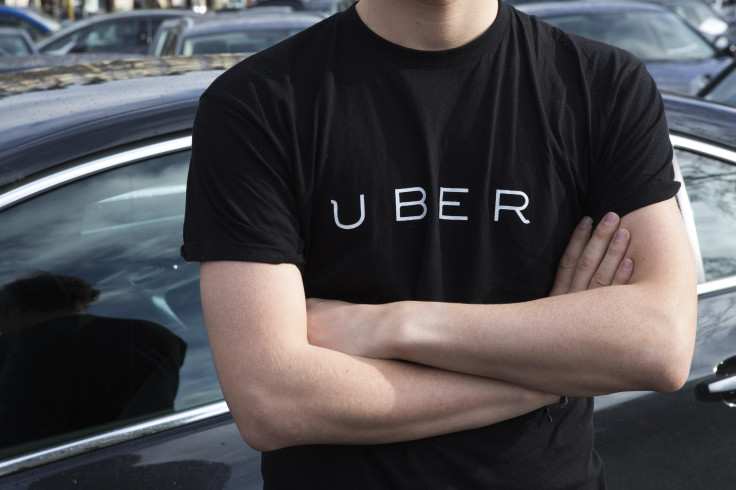
SAN FRANCISCO — Uber Chief Executive Officer Dara Khosrowshahi said the roughly 3,300 corporate jobs the company eliminated earlier this month will ultimately benefit customers through lower ride prices, a promise that follows a familiar pattern among corporations defending mass layoffs, one that has not always held up in practice at other companies.
Uber announced September 2 that it was cutting 10% of its corporate staff, affecting approximately 3,300 positions out of a global workforce of roughly 34,000 employees, in an effort to flatten management layers across the company. The reduction marks Uber's deepest round of job cuts since the early months of the COVID-19 pandemic in 2020.
Speaking at the Goldman Sachs Communacopia and Technology Conference on September 10, Khosrowshahi laid out how the company plans to use the savings generated by the cuts. "We are going to take the savings there and essentially reinvest it back in the business, lowering prices, improving selection, and continuing to invest in our growth program," he told investors. He said separately that the layoffs would generate "savings that we intend to reinvest in growth, innovation, and the capabilities that will matter most over the coming years."
Khosrowshahi indicated that reduced insurance costs would also contribute to the savings being funneled toward lower rider prices. Uber's U.S. mobility insurance costs had increased by more than 50% per ride over the several years through the first quarter of 2025, according to the company, a trend Khosrowshahi said has now begun to reverse. Analysts estimate the layoffs alone could generate close to $2 billion in annual savings for the company, though Khosrowshahi has not offered specific fare targets or a timeline for when riders might actually see lower prices reflected in the app.
A portion of the freed-up capital is also being directed toward Uber's autonomous vehicle ambitions. The company has said it plans to invest more than $1 billion in its self-driving taxi network as it works to compete with rivals including Alphabet-owned Waymo, with broader reporting indicating Uber has committed more than $10 billion over the coming years to autonomous vehicles, acting as both an investor in and a customer of nearly 30 different self-driving technology partners.
Khosrowshahi acknowledged that the layoffs came at a moment of relative financial strength for the company rather than distress, noting that Uber had recently posted quarterly earnings that exceeded analyst expectations. "Some companies wait," he said. "We don't believe in waiting." Uber shares rose roughly 2% following disclosures suggesting the company had approached the restructuring from a position of strength rather than as a response to financial trouble.
Khosrowshahi also pointed to artificial intelligence as a factor behind the timing of the cuts, telling attendees at the same Goldman Sachs event that AI has contributed to "real tailwinds as it relates to productivity" within the company, a dynamic that has become increasingly common across the technology sector as companies credit AI-driven efficiency gains for enabling workforce reductions. Uber's cuts followed a broader trend of tech layoffs framed around productivity improvements; fintech company Block, led by CEO Jack Dorsey, saw its stock jump roughly 24% earlier this year after announcing plans to cut 40% of its workforce as part of a push toward AI-driven efficiency.
Whether Uber's promise of lower prices will actually materialize remains, for now, solely a matter of Khosrowshahi's word, and similar corporate assurances tied to layoffs have not always played out as promised at other companies. When T-Mobile announced roughly 5,000 job cuts in August 2023, then-CEO Mike Sievert said the restructuring would help the company deliver better value and an improved customer experience. Less than a year later, T-Mobile announced price increases on some of its older plans, including an additional $2 to $5 per voice line each month, according to reporting at the time, illustrating how the definition of "better value" following a round of layoffs can shift considerably by the time changes actually reach customers.
Uber's own recent regulatory record adds another layer of financial pressure competing for the same savings Khosrowshahi has pledged to redirect toward riders. The company was recently fined nearly $1 billion by European Union regulators after a Dutch data protection authority found that Uber had automatically suspended or deactivated drivers suspected of fraud or poor ratings between 2018 and 2022 without any human review of those decisions, a practice the regulator determined violated European data protection rules governing automated decisions with significant personal or financial consequences for those affected. Uber is appealing the fine, though the penalty still represents a competing claim on the same pool of savings the company has said will fund lower prices for customers.
Uber's layoffs and the accompanying promises come as the broader ride-hailing and technology sectors continue navigating a period of workforce reductions justified, at least in part, by efficiency gains attributed to artificial intelligence tools, even as skepticism persists among analysts and consumers about whether such promised savings reliably translate into lower prices rather than simply improved corporate profit margins.
With no specific fare targets or implementation timeline yet disclosed by Uber, riders and industry observers are likely to spend the coming months watching for concrete evidence of price reductions in specific markets before drawing conclusions about whether Khosrowshahi's promise proves more durable than similar assurances made by other companies following their own rounds of layoffs in recent years.
© Copyright 2026 IBTimes AU. All rights reserved.
- Recommended For You