Trump Begins Mailing $500 Obamacare Refund Checks to Nearly 1 Million Americans in 30 States Before Midterms
The payments are funded by what the White House says were excess HealthCare.gov user fees and will go to eligible full-price enrollees in 30 states.
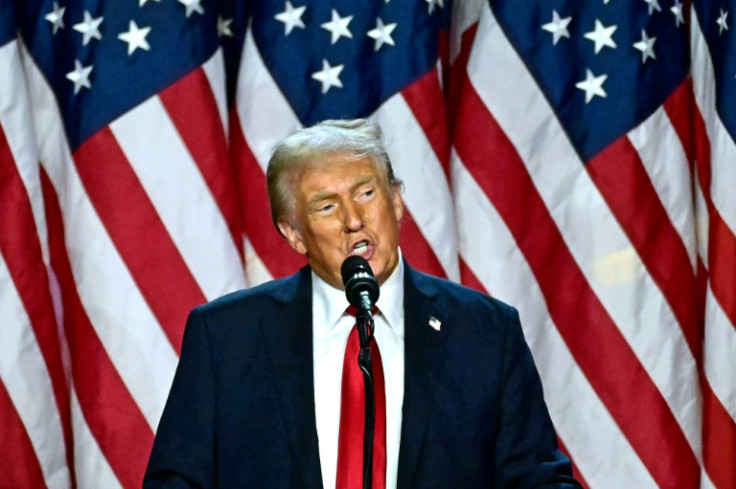
WASHINGTON — President Donald Trump's administration on Wednesday began sending $500 checks to nearly 1 million Americans it says were overcharged for health insurance bought through the Affordable Care Act's federal marketplace, a payout arriving just five weeks before the November midterm elections.
Treasury Department checks, accompanied by letters signed by Trump, will start going out to more than 950,000 people across 30 states, according to an administration official.
"For years, the Biden administration overcharged you to fund the operation of HealthCare.gov," Trump wrote in the letter, which was viewed by USA TODAY. "That money belongs to hard-working Americans, not the Government, and now I'm returning it to you!"
What the refunds are for
The payments stem from user fees charged on the federal exchange. According to the White House, the Biden administration collected those fees from health insurance companies, which passed the costs on to consumers through higher premiums. The administration argues the fees brought in more money than was needed to run the exchange and accused the previous administration of sitting on the surplus.
The refunds will be paid from what the White House describes as a $500 million pool of excess user fees, which insurers pay to the government to help operate HealthCare.gov.
A White House fact sheet said the government will return hundreds of millions of dollars in what it called Obamacare overcharges by issuing refunds of $500 per person. The administration has branded the program the "Working Families Obamacare Refunds."
Who qualifies
Refunds are going to enrollees in states that rely on the federal exchange and who did not receive premium assistance under the ACA, meaning they paid the full cost of their coverage, according to the White House.
Most recipients earn about 400% of the federal poverty line, or $64,000 for a single person and $132,000 for a family of four, though some people between 100% and 400% of the poverty line are also included, the White House said.
Checks are being mailed to recipients' home addresses. Eligible people do not need to apply, based on the administration's description of the program.
The 30 states
The checks are limited to states that do not operate their own ACA insurance exchanges and instead use the federal marketplace run by the Centers for Medicare & Medicaid Services.
The 30 states are Alabama, Alaska, Arizona, Arkansas, Delaware, Florida, Hawaii, Indiana, Iowa, Kansas, Louisiana, Michigan, Mississippi, Missouri, Montana, Nebraska, New Hampshire, North Carolina, North Dakota, Ohio, Oklahoma, Oregon, South Carolina, South Dakota, Tennessee, Texas, Utah, West Virginia, Wisconsin and Wyoming.
Residents of the other 20 states and the District of Columbia will not receive checks because those states run their own exchanges, and the federal government did not collect user fees from them.
Announced during GOP convention
Trump first announced the refunds on Sept. 10 in a video posted by the White House that coincided with the Republican midterm convention in Dallas.
"Our Administration is doing the right thing and giving the money back to the people who were wrongly ripped off," Trump said at the time.
In the video, Trump claimed the overcharges totaled at least $500 million and said that in many cases the refunds would cover the entire increase in enrollees' insurance costs, which he blamed on Democrats.
The refund checks are separate from a controversial $5,000 dividend Trump has pledged to send to all Americans if Republicans keep control of Congress after the November election. That proposal has drawn criticism, including from some of the president's own supporters.
Political stakes ahead of November
The timing of the checks has drawn scrutiny. They are being issued as Americans' concerns about high costs and affordability pose major political liabilities for Republicans trying to hold on to power in Congress.
Health insurance costs have been a particular pressure point. The enhanced ACA subsidies that expired at the end of 2025, which Trump and congressional Republicans declined to extend, made coverage more expensive for millions of consumers.
In his letter, Trump framed the payment as long-overdue relief. "You have paid into this flawed System, and now you are finally getting something back," he wrote.
He closed the letter by pledging to keep fighting to lower health care costs and to protect Americans' money.
Critics call it a 'gimmick'
Democrats and health care advocates dismissed the refunds as an election-year stunt that does little to offset rising premiums.
Brad Woodhouse, a Democratic strategist and executive director of the advocacy group Protect Our Care, called the plan "an absolute joke." He argued that millions of people have seen their monthly premiums climb by hundreds or even thousands of dollars since the tax credits lapsed, and said the $500 checks would not come close to making up for those increases.
Critics also noted that the Trump administration has cut funding for outreach efforts that help people enroll in marketplace coverage.
Questions remain about how the program fits with existing law. The Affordable Care Act already includes a mechanism requiring insurers to send rebates to consumers who are overcharged, and it is not clear how the administration's refunds will interact with that system.
When the plan was first announced, the Centers for Medicare and Medicaid Services and a White House official declined to comment beyond the administration's fact sheet.
Part of broader health care push
The refunds are part of a wider effort by Trump to put his stamp on health care policy before voters head to the polls. In January, Trump unveiled a framework he calls the "Great Healthcare Plan," which he says would lower drug prices, reduce premiums and hold insurance companies accountable. He has asked Congress to write into law the deals he has struck with pharmaceutical companies, though he has not backed specific legislation.
Direct payments to consumers are a central feature of Trump's health care agenda. The president has promoted redirecting money that had gone toward enhanced ACA subsidies and sending it directly to Americans so they can buy their own insurance.
What recipients should know
Recipients in the 30 federal-exchange states who paid full price for marketplace plans should watch their mail in the coming weeks for a Treasury Department check and a letter bearing Trump's signature.
The administration has said the checks will be sent beginning in October, with the first batch going out Wednesday. Officials have not publicly said how long it will take for all 950,000-plus payments to arrive.
Consumers who believe they qualify but do not receive a check may want to monitor updates from HealthCare.gov and the Centers for Medicare & Medicaid Services, as the administration has not yet detailed a process for questions or disputes.
© Copyright 2026 IBTimes AU. All rights reserved.
- Recommended For You