Sydney to Uluru: Australia's 10 Most Popular Tourist Spots in 2026 Draw Record Crowds
SYDNEY — As international visitor numbers climb toward pre-pandemic highs in 2026, Australia's iconic landmarks and natural wonders continue to top bucket lists for travelers seeking beaches, reefs, outback adventures and vibrant cities. Tourism authorities report strong recovery, with Sydney and Melbourne leading arrivals while the Great Barrier Reef and Uluru remain must-see draws for their unique appeal.

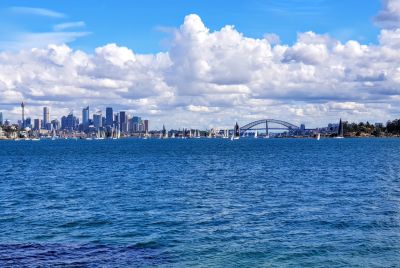
Sydney tops nearly every list as Australia's most visited destination. The harbor city welcomed millions of international arrivals in 2025, with figures projected to rise further this year. Visitors flock to the Sydney Opera House, a UNESCO World Heritage site whose sail-like design gleams against the water, and the Harbour Bridge, where bridge climbs offer panoramic views. Bondi Beach draws sun-seekers and surfers year-round, while nearby Manly and Coogee provide more relaxed coastal escapes. Day trips to the Blue Mountains add dramatic scenery with hiking trails and the famous Three Sisters rock formation.
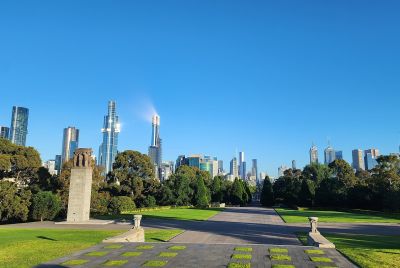
Melbourne ranks a close second, celebrated for its cultural depth and food scene. Laneways filled with street art, rooftop bars and hidden cafes define the city's vibe. Federation Square serves as a bustling hub, while the Royal Botanic Gardens offer serene green space. Many extend their stay with a drive along the Great Ocean Road, where the Twelve Apostles limestone stacks rise dramatically from the surf. Koalas and dramatic coastal views make this route a perennial favorite for road-trippers.
The Great Barrier Reef near Cairns in Queensland claims third place as one of the world's natural marvels. Snorkeling and diving here reveal vibrant coral and marine life, though climate concerns have heightened calls for sustainable tourism. Operators emphasize reef protection, with visitor fees supporting conservation. The adjacent Daintree Rainforest, another World Heritage area, combines ancient jungle with secluded beaches for a complete tropical experience. Cairns serves as the gateway, with day trips and live-aboard cruises popular among visitors.
Uluru, also known as Ayers Rock, stands as a spiritual and cultural icon in the Northern Territory's Red Centre. The massive sandstone monolith changes color dramatically at sunrise and sunset, drawing respectful visitors who learn about Anangu traditions. Tours often include Kata Tjuta (the Olgas) and cultural experiences that highlight Indigenous heritage. Field of Light installations by Bruce Munro add a modern artistic touch to evening visits, enhancing the desert magic without diminishing the site's sacred status.
Brisbane and the Gold Coast round out Queensland's strong showing. Brisbane's riverfront and emerging food scene attract urban explorers, while the Gold Coast delivers theme parks, surf beaches and family-friendly entertainment. Surfers Paradise remains a lively hub, though quieter spots like Byron Bay to the south appeal to those seeking wellness and bohemian vibes.
Perth and Western Australia's west coast have seen record growth. Rottnest Island, home to quokkas, offers day trips with pristine beaches and wildlife encounters. Margaret River delivers world-class wine, surfing and caves, while Ningaloo Reef provides an alternative to the Great Barrier Reef with easier beach access for swimming with whale sharks. Tourism officials highlight Western Australia's 2025 record of more than 11 million overnight visitors, signaling continued momentum into 2026.
Kakadu National Park in the Northern Territory ranks high for nature lovers. The vast wilderness features ancient rock art, wetlands teeming with birds and crocodiles, and dramatic waterfalls during the wet season. Guided tours emphasize Aboriginal custodianship and ecological importance, making it a profound cultural and environmental experience.
Tasmania's wilderness, including Cradle Mountain and Freycinet National Park, appeals to those seeking cooler climates and pristine landscapes. Wineglass Bay's perfect curve of sand and the island's food and whisky scenes draw increasing numbers. Hobart provides a compact base with museums and markets.
Kangaroo Island off South Australia offers wildlife in abundance — seals, kangaroos, koalas and penguins — with rugged coastline and fresh seafood. The island's recovery from past bushfires has boosted eco-tourism efforts.
The Whitsunday Islands complete many top-10 lists with their turquoise waters and white-sand beaches. Whitehaven Beach frequently appears in global rankings of the world's best shores, while sailing and seaplane tours provide breathtaking aerial views of the reef-fringed archipelago.
Tourism Research Australia data shows international arrivals reaching around 8.8 million in late 2025, with strong growth from New Zealand, China, the United States and the United Kingdom. Holiday travel leads motivations, followed by visiting friends and relatives. Spending on holidays alone exceeded $12 billion, underscoring the economic importance of these destinations.
Sustainability emerges as a key theme in 2026. Operators at the Great Barrier Reef and Uluru stress low-impact practices, while national parks promote respectful visitation. Climate resilience projects and Indigenous-led tourism initiatives gain prominence, enriching visitor experiences with deeper cultural connections.
For first-time visitors, classic itineraries often combine Sydney and Melbourne with the Reef and Uluru, creating a balanced mix of city energy, coastal wonders and outback spirituality. Families favor the Gold Coast's theme parks, while adventure seekers head to the Blue Mountains or Kakadu. Couples and solo travelers increasingly choose Western Australia's remote beauty or Tasmania's tranquility.
Social media amplifies these spots' popularity. Instagram-worthy images of Uluru at dawn, Bondi waves and reef turtles drive bookings, though travelers are encouraged to venture beyond highlights for authentic encounters.
Challenges include managing overtourism at popular sites and addressing environmental pressures. Authorities balance access with preservation, introducing timed entries or eco-certification programs where needed.
As 2026 unfolds, Australia's tourism sector projects continued growth, supported by improved international flights and domestic connectivity. Whether drawn by iconic landmarks or emerging destinations like Ningaloo Reef and the Flinders Ranges, visitors discover a country of vast contrasts — from bustling harbors to ancient deserts and living reefs.
The top 10 most popular tourist places reflect Australia's enduring allure: Sydney for urban sophistication, the Great Barrier Reef for underwater magic, Uluru for cultural depth, Melbourne for creative energy and the Great Ocean Road for scenic drama. Together they form the backbone of an unforgettable Australian journey, inviting travelers to experience the country's natural beauty, vibrant cities and rich heritage in 2026 and beyond.
© Copyright 2026 IBTimes AU. All rights reserved.
- Recommended For You