10 Most Sold or Popular Firearms in Australia 2026: Top Registered Guns, Rifles and Shotguns
SYDNEY — Australia's civilian firearm ownership reached a record high of over 4.1 million registered guns in 2025, according to Department of Home Affairs data released in January 2026, surpassing pre-1996 Port Arthur massacre levels despite strict post-1996 reforms. With approximately 930,000 active licences nationwide — an average of more than four firearms per holder — demand remains driven by primary production (farming/pest control), recreational hunting, sport shooting and target practice.
Detailed breakdowns of exact "most sold" models in 2026 are limited due to Australia's fragmented state-based registries and privacy restrictions on sales data. No centralized national sales leaderboard exists like in the U.S., and recent federal pushes for a National Firearms Register (implementation ongoing through 2028) focus on tracking rather than public sales rankings. However, aggregated registry insights, state police reports, industry trends, shooting association surveys (e.g., SSAA historical calibre data) and market analyses from sources like IMARC Group and 6Wresearch highlight enduring favorites. Rifles dominate the market share (around 46-47% in recent estimates), followed by shotguns, with handguns restricted to licensed target shooters.
Here are 10 of the most commonly registered, owned and sought-after firearms in Australia as of March 2026, based on registry patterns, calibre popularity and category dominance.
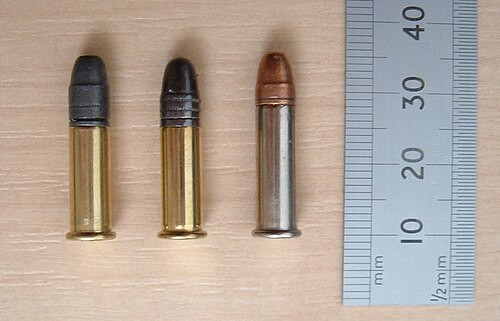
- .22 LR Rimfire Rifles (e.g., Ruger 10/22, CZ 457, Browning T-Bolt) The .22 Long Rifle calibre tops historical and ongoing lists as Australia's most popular cartridge. Affordable ammunition, low recoil and versatility for pest control, target shooting and junior training make rimfire rifles ubiquitous. Models like the Ruger 10/22 semi-auto and bolt-actions from CZ or Savage remain staples in rural and suburban collections.
- 12-Gauge Shotguns (e.g., Browning A5, Beretta A400, Winchester SX series) Shotguns claim second place in many registries, prized for hunting waterfowl, clay targets and home defense in permitted categories. Pump and semi-auto 12-gauge models dominate due to reliability and widespread use in sport shooting clubs.
- .223 Remington / 5.56mm Rifles (e.g., Tikka T3x, Howa 1500, Ruger American) Versatile centrefire calibres for varmint and medium game hunting, these bolt-action rifles are favorites among farmers and recreational shooters. Semi-autos in this calibre face stricter Category B licensing.
- .308 Winchester Rifles (e.g., Tikka T3x CTR, Remington 700, Sako S20) A go-to for larger game and long-range target shooting, .308 remains a top centrefire choice. Bolt-actions from Finnish (Tikka/Sako) and American makers lead sales in this category.
- .243 Winchester Rifles (e.g., Tikka T3x Lite, Winchester Model 70) Popular for lighter recoil in deer and pest control, .243 bolt-actions appeal to hunters seeking accuracy without heavy kick.
- .270 Winchester Rifles (e.g., Browning X-Bolt, Weatherby Vanguard) Classic big-game calibre with strong following for its flat trajectory and power on medium to large animals.
- .30-06 Springfield Rifles (e.g., Remington 700 variants, Winchester Model 70) Iconic all-rounder for Australian conditions, often chambered in legacy or modern bolt-actions for hunting.
- .410 Bore and 20-Gauge Shotguns (e.g., Mossberg 500, Beretta Silver Pigeon) Smaller gauges offer lighter options for women, juniors or upland game, with .410 popular for close-range pest work.
- 9mm Handguns (e.g., Glock 17/19, CZ Shadow 2, SIG Sauer P320 — target variants) Restricted to Category H licences for approved target shooting, 9mm semi-autos dominate pistol registries at ranges and competitions.
- .177 Air Rifles (e.g., Air Arms, Daystate, Weihrauch HW series) Pre-charged pneumatic and spring-powered air rifles rank high in registries for backyard plinking and small pest control, often requiring no licence in some states for low-powered models.
Market analyses from IMARC Group (2025 data) confirm rifles hold the largest share at ~46.8%, driven by precision needs in sport and hunting, while shotguns follow closely. Handguns remain niche due to stringent requirements. Growth factors include rising participation in competitive shooting, pest management on farms and outdoor recreation, with the civilian firearms segment expanding at a projected 7-7.5% CAGR through the early 2030s.
Ownership trends show concentration in rural Queensland and New South Wales, though urban areas like Sydney host significant numbers — about one-third of NSW's 1.16 million firearms in metropolitan zones. Average holders own four-plus guns, with outliers exceeding 300 in rare cases.
Recent policy developments add context: A proposed national gun buyback and reform bill introduced in early 2026 aims to address rising numbers post-Bondi incident, targeting surplus or newly restricted firearms. The Albanese government cites the 4.1 million total as evidence for tighter controls, though critics argue responsible owners drive the figures.
No public 2026-specific sales leaderboard exists, but calibre and category patterns from registries (NSW Police biannual reports, Queensland data) and industry insights remain consistent with pre-2026 trends. Rimfire and centrefire hunting rifles lead, reflecting Australia's licensed, purpose-driven ownership model.
As firearm numbers climb amid debates on safety and regulation, these 10 represent the enduring preferences of Australia's licensed community — focused on utility, sport and tradition under one of the world's strictest regimes.
© Copyright 2026 IBTimes AU. All rights reserved.
- MOST POPULAR IN Life