

Nasdaq Declines as Tech Sector Pullback Weighs on Broader Market Sentiment
Technology stocks lead Nasdaq's decline as investors assess earnings and economic data
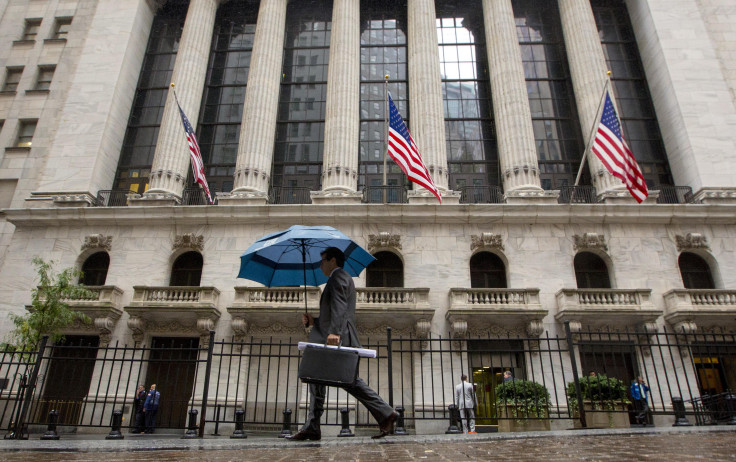
NEW YORK — The Nasdaq Composite Index fell more than 200 points Tuesday, closing at 26,012.68 as investors booked profits in technology shares and assessed mixed signals from corporate earnings and economic data.
The 0.77 percent decline reflected caution in growth-oriented stocks after a period of strong gains driven by artificial intelligence enthusiasm. Major technology names contributed to the downside, though broader market losses were contained as other sectors showed relative resilience.
Trading volume was steady as participants navigated the transition from second-quarter earnings season into the heart of summer. The session highlighted ongoing rotation between growth and value segments, with defensive areas finding some support.
Technology's heavyweight influence on the Nasdaq amplified the index's move. Chipmakers and software firms faced pressure amid concerns over valuations and near-term spending trends in data centers. However, several companies reported solid results, suggesting fundamentals remain intact for many leaders.
The S&P 500 and Dow Jones Industrial Average posted more modest changes, underscoring divergence across market segments. Blue-chip industrials and financials provided a buffer against technology weakness.
Economic indicators released around the session offered a nuanced picture. Inflation measures aligned with expectations, while consumer spending data pointed to resilient demand. Federal Reserve officials continued emphasizing a data-dependent approach to future policy decisions.
Bond yields moved modestly, influencing equity valuations particularly in rate-sensitive sectors. Treasury markets reflected balanced views on growth and inflation risks.
Corporate news flow remained active. Several large technology firms updated guidance, with some citing strong AI-related demand while others noted cautious enterprise spending. The mixed tone contributed to selective selling in the sector.
Analysts noted the Nasdaq's recent run had left some stocks extended. Profit-taking after strong performance is typical, though underlying demand for innovative technologies persists.
The index's decline erased some recent gains but left it well above year-ago levels. Year-to-date performance remains positive, supported by earnings growth in key constituents.
Broader market context included geopolitical developments and fiscal policy discussions. Investors monitored potential impacts on corporate supply chains and consumer confidence.
Smaller companies in the Russell 2000 showed mixed results, with some benefiting from rotation away from mega-cap names. Market breadth was neutral to slightly negative on major exchanges.
Looking ahead, participants await further earnings reports and economic releases. The upcoming employment situation report will be closely watched for labor market signals that could influence monetary policy expectations.
Technology's dominance in the Nasdaq means sector-specific news often drives index moves. Artificial intelligence infrastructure spending continues as a major theme, with companies positioned in chips, software and cloud services remaining focal points.
Valuation concerns have surfaced periodically, with some metrics elevated compared to historical averages. However, earnings growth has justified premiums for many high-quality names.
Tuesday's trading reflected typical midweek dynamics, with no single catalyst dominating. Instead, cumulative positioning and position squaring influenced flows.
The session's loss leaves the Nasdaq navigating technical levels that could attract buyers on further weakness. Support areas are watched closely by chart-focused participants.
Longer-term, demographic trends, productivity gains from technology and global digitization support secular growth in the sector. Short-term volatility is expected as economic cycles unfold.
Federal Reserve policy remains a key variable. Markets have priced in limited near-term rate changes, focusing instead on the trajectory over coming quarters.
Corporate capital expenditure on AI and digital transformation provides a tailwind for many Nasdaq constituents. Supply chain improvements and efficiency gains could support margins.
Tuesday's close at 26,012.68 caps a period of consolidation after earlier advances. The index has shown resilience in the face of periodic pullbacks.
Investors continue balancing optimism around innovation with macroeconomic caution. Diversified portfolios help manage sector-specific risks.
The technology sector's evolution includes artificial intelligence, cloud computing and cybersecurity. Companies adapting successfully are rewarded with premium valuations.
Broader equity markets benefit from technology leadership when growth expectations are high. Periodic rotations provide opportunities for other sectors.
As summer trading continues, liquidity may thin, increasing volatility potential. Major events could shift sentiment quickly.
The Nasdaq's performance remains a barometer for investor risk appetite and growth expectations. Tuesday's decline was orderly, with no signs of panic selling.
Market strategists emphasize focusing on fundamentals amid daily fluctuations. Strong balance sheets and competitive advantages position leaders for long-term success.
Tuesday's session contributed to ongoing narrative around technology's role in the economy. Innovation cycles drive productivity, though adoption timelines can vary.
The index's movement Tuesday underscores the importance of diversification. While technology leads in bull markets, other areas provide stability during rotations.
Participants will monitor upcoming data for confirmation of economic soft landing or other scenarios. Corporate guidance will further shape sector outlooks.
In summary, the Nasdaq's 0.77 percent decline reflected measured profit-taking in technology amid a complex market backdrop. The session highlighted the index's sensitivity to sector dynamics while broader markets remained relatively stable.
© Copyright 2026 IBTimes AU. All rights reserved.