Iraqi Butcher Sentenced to 10 Years in Prison for Selling Pork as Beef in Holy Shia Shrine City of Najaf
The court used a law against selling meat unfit for human consumption after authorities found the man with 75 kilograms of pork allegedly mislabelled as beef.
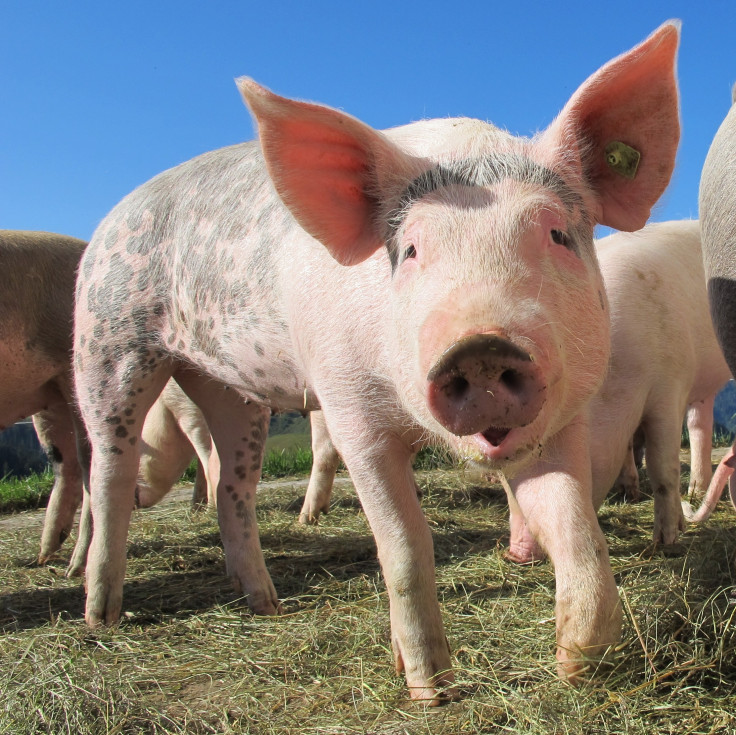
BAGHDAD — An Iraqi court has sentenced a butcher to 10 years in prison after he was caught selling pork as beef in Najaf, one of the holiest cities in Shia Islam, in a case that drew widespread attention and no shortage of dark humor across Iraqi social media.
Iraq's Supreme Judicial Council said the man was arrested this month after being found in possession of 75 kilograms of pork that he had been passing off as beef to customers in the city. "Najaf Criminal Court has sentenced a convicted person to 10 years in prison for selling meat not suitable for human consumption," the council said in a statement announcing the ruling, which was handed down Monday.
Najaf draws millions of pilgrims from around the world each year who travel to visit the mausoleum of Imam Ali, the Prophet Mohammed's son-in-law, the fourth Islamic caliph, and the first Shia Imam. The city's religious significance made the discovery that a local butcher had been selling pork, a meat strictly forbidden under Islamic dietary law, particularly jarring for residents and visitors alike.
While Islam forbids the consumption of pork on the grounds that it is considered impure, Iraqi law does not explicitly ban its sale within the Muslim-majority country, which is also home to a Christian minority. Prosecutors instead built their case around a 1998 law that criminalizes the sale of "dog or donkey or other meat... that is unfit for human consumption," a statute the court applied to the butcher's conduct in selling pork under false pretenses as beef.
News of the arrest spread quickly on social media, generating a mix of public reactions. Some Iraqis used the case to call for stronger food safety enforcement more broadly, while others responded with humor, sharing videos of pigs online captioned "here is Najaf" in reference to the case.
Among those caught up in the scandal was Najaf resident Ahmad al-Mansouri, who described his own unwitting experience buying meat from the butcher in question. "I think I have eaten more pork than beef or lamb over the past years," Mansouri told AFP, speaking jokingly about his past purchases. Mansouri said he had been drawn in by the quality and price of the ground meat he bought from the butcher, describing it as "excellent quality" and notably cheaper than prevailing market rates, which led him to return to the shop more frequently over time.
Reflecting on the eventual discovery, Mansouri said the arrest came as a shock to regular customers who had no reason to suspect what they were actually purchasing. "We were surprised when he was arrested on charges of selling pork," Mansouri said.
The case highlights a broader challenge around food safety oversight in parts of Iraq, where enforcement mechanisms for verifying the authenticity of meat and other food products sold in local markets can vary considerably between cities and vendors. Najaf's status as a major pilgrimage destination, drawing visitors from Shia Muslim communities around the world, has added particular sensitivity to any case involving the mislabeling of food products that conflict with Islamic dietary restrictions, given how directly such cases can affect the religious observance of unsuspecting pilgrims and residents alike.
The 10-year sentence reflects the seriousness with which the Najaf Criminal Court treated the case, even though Iraqi law does not carry a specific prohibition on the sale of pork itself. By anchoring the prosecution in the broader 1998 statute addressing the sale of meat unfit for human consumption, the court was able to pursue a significant custodial sentence despite the absence of a law targeting pork sales specifically, a legal approach that may set a precedent for how similar cases are prosecuted in the future.
It remains unclear from the Supreme Judicial Council's statement how long the butcher had allegedly been selling pork disguised as beef before his arrest, or how many customers may have unknowingly purchased the mislabeled meat during that period. The council's statement did not indicate whether additional charges or civil penalties related to consumer fraud were pursued alongside the criminal case, nor did it specify whether health authorities in Najaf conducted any follow-up inspections of other meat vendors in the city following the butcher's arrest.
The case has added to broader public conversation in Iraq around food safety standards, with social media reaction split between calls for stricter oversight of meat vendors and the darker humor that quickly overtook much of the online discussion surrounding the story. For residents like Mansouri, the episode has left a lasting impression, even as he described his own reaction to the situation with a degree of resigned humor rather than anger, reflecting a broader public response to the case that has blended genuine concern over food safety enforcement with the kind of dark comedic commentary that quickly spread across Iraqi social media platforms following news of the arrest and subsequent sentencing.
© Copyright 2026 IBTimes AU. All rights reserved.
- Recommended For You