

Chicago Reports First West Nile Virus Death Of 2026 After City's Rainiest Summer In Years As Cases Rise
Unprecedented Rainfall Fuels Mosquito Activity, Leading to First West Nile Virus Fatality in Chicago
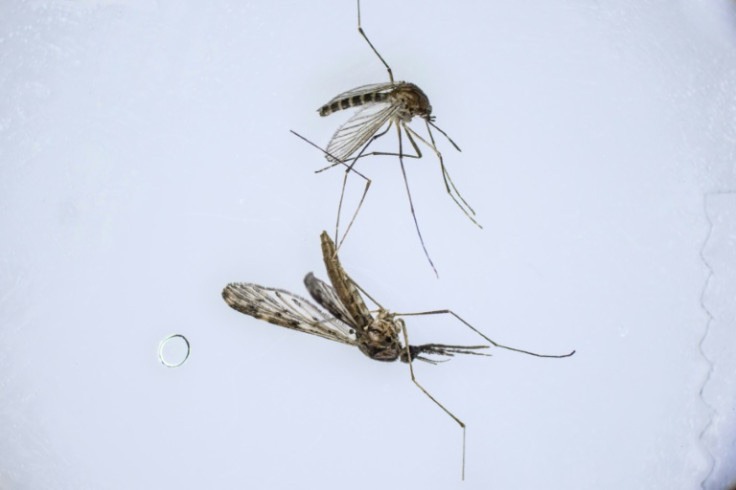
CHICAGO — A Chicago resident has died from West Nile virus, marking the first death linked to the mosquito-borne illness in both the city and the state of Illinois this year, health officials announced Tuesday.
The Chicago Department of Public Health confirmed the death alongside the city's first two human cases of West Nile virus in 2026. The department did not disclose further details about the person who died, including their age or the specific area of the city where they likely contracted the illness.
CDPH Commissioner Dr. Garth Walker pointed to the city's unusually wet summer as a key factor contributing to elevated mosquito activity this year.
"2026 has seen the rainiest summer in Chicago in years, giving mosquitoes ample opportunities to breed," Walker said in a statement. "The best way to protect yourself from West Nile virus is to avoid mosquito bites and take measures to stop them from breeding around your home."
Data on Chicago's rainfall this year supports that assessment. Midway Airport recorded more than 20 inches of rainfall between June 1 and early August, well above the roughly 13 inches the Southwest Side airport typically sees between June and late August in a normal year. Standing water left behind by heavy rain creates additional breeding grounds for mosquitoes, increasing the overall risk of transmission for mosquito-borne illnesses like West Nile virus.
Illinois Department of Public Health Director Dr. Sameer Vohra emphasized the broader statewide significance of the year's first fatality.
"The year's first death in Illinois related to West Nile virus is a sobering reminder to take mosquito-borne illness seriously," Vohra said. He noted that while most people infected with the virus do not experience serious symptoms, certain populations face significantly elevated risk.
"While most people won't experience serious symptoms, West Nile virus can lead to severe illness in high-risk groups such as older adults, individuals with chronic medical conditions, and immunocompromised persons," Vohra said.
Tuesday's announcement followed a related development just days earlier, when the Cook County Department of Public Health reported the season's first four West Nile virus cases in the Chicago suburbs. The Illinois Department of Public Health separately confirmed its first human case of the virus for the year the previous week, involving a resident of downstate Piatt County.
According to figures from the state's public health department, Illinois recorded 10 deaths linked to West Nile virus last year, out of a total of 150 confirmed human cases statewide.
West Nile virus remains the most common cause of mosquito-borne disease in both Chicago and the United States more broadly, according to the Centers for Disease Control and Prevention. The virus is transmitted to humans primarily through the bite of an infected mosquito, with the underlying transmission cycle involving infected birds; mosquitoes that feed on infected birds can subsequently acquire and spread the virus to humans and other animals through later bites.
Health officials emphasized that human-to-human transmission of West Nile virus is extremely rare. Most people infected with the virus, roughly four out of five according to state health officials, experience no symptoms whatsoever. Among those who do develop symptoms, most face a relatively mild illness involving fever and flu-like symptoms, occurring in roughly one in five infections.
A smaller subset of cases can progress to severe, neuroinvasive disease, occurring in approximately one in 150 infections, according to figures cited by health officials. In these more serious cases, the virus reaches the brain or spinal cord, potentially causing encephalitis, meningitis or acute flaccid paralysis, conditions that can result in long-term complications or death, particularly among higher-risk populations.
Chicago officials identified the groups facing the highest risk of severe illness as people over age 60, individuals with chronic medical conditions, and those who are immunocompromised. Public health experts have noted that this risk disparity means the practical impact of the virus varies enormously based on individual health status and age, even though exposure to mosquito bites carrying the virus may be similar across different populations within the same geographic area.
There is currently no vaccine available for West Nile virus in humans, and no specific antiviral treatment exists for the illness. Medical care for patients who develop severe disease is generally limited to supportive treatment aimed at managing symptoms and complications rather than directly targeting the virus itself.
In response to the rising mosquito activity, CDPH has maintained an active mosquito control program throughout the summer, including treating more than 80,000 catch basins across the city with larvicide to kill immature mosquitoes before they mature, along with ongoing efforts to collect and test mosquito populations for the presence of West Nile virus. The department has also conducted targeted insecticide spraying in specific geographic areas when testing indicates elevated risk, deploying that response across 15 different Chicago community areas over the past several weeks, including Beverly, Burnside, Chatham, East Garfield Park, Lower West Side, Morgan Park, Near West Side, North Lawndale, O'Hare, Pullman, Roseland, South Deering, Washington Heights, West Lawn and West Pullman.
As of the department's most recent update, West Nile virus risk in Chicago was rated as moderate, with officials continuing to encourage residents citywide to take precautionary measures against mosquito bites regardless of their specific neighborhood.
Health officials recommend that residents use insect repellent registered with the Environmental Protection Agency, containing active ingredients such as DEET, picaridin, IR3535 or oil of lemon eucalyptus, applied according to product label instructions. Additional recommended precautions include wearing long sleeves and pants when outdoors, particularly during dawn and dusk hours when mosquitoes are most active, and eliminating standing water around homes and yards to reduce local mosquito breeding opportunities.
Late August and September mark peak transmission months for West Nile virus in the Chicago area, meaning officials expect continued mosquito activity and potential additional cases in the weeks ahead as the region moves through the remainder of the transmission season. Public health officials have indicated that risk from the virus typically persists until the first hard frost of the year, underscoring the importance of continued precautions well into the fall months as temperatures gradually decline.
© Copyright 2026 IBTimes AU. All rights reserved.