

(VIDEO) Congo Ebola Outbreak Tops 6000 Cases, Nears 3000 Deaths in Countrys Worst Recorded Epidemic Ever
Bundibugyo Virus Strain Challenges Health Efforts Amidst Conflict
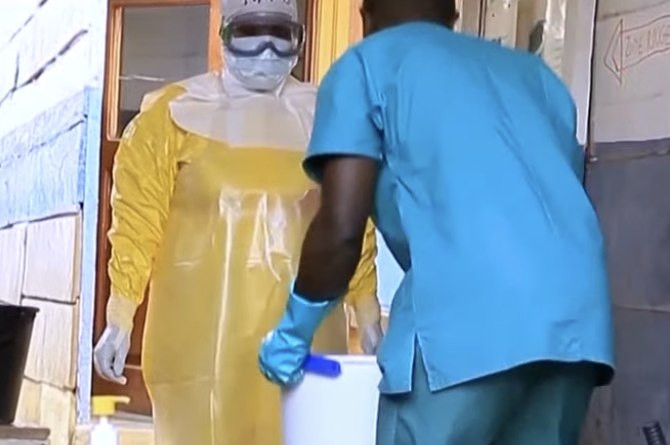
BUNIA, Congo — Health authorities in the Democratic Republic of Congo said Monday that the country's fastest-spreading Ebola outbreak on record has surpassed 6,000 confirmed cases, with nearly 2,900 deaths, as the epidemic continues to outpace every previous Ebola outbreak the country has faced.
The outbreak, caused by the Bundibugyo virus, a rarer strain of Ebola for which no approved vaccine or treatment currently exists, was first confirmed in mid-May after being traced to Mongbwalu health zone in Ituri province. Officials now believe the virus had actually been circulating undetected since February, months before it was formally declared. Since then, it has spread from three health zones to nearly 60 across five provinces, according to World Health Organization data, making it both the largest and fastest-moving Ebola outbreak the country has ever recorded.
More than 1,360 people have recovered from the virus so far, a figure Congolese authorities described as an encouraging sign amid the broader crisis. Even so, the World Health Organization has warned the outbreak remains out of control and is on pace to eventually surpass the 2014-2016 West Africa Ebola epidemic, which killed more than 11,000 people across Guinea, Liberia and Sierra Leone and remains the deadliest Ebola outbreak ever documented worldwide.
The rapid spread has been driven by a combination of factors specific to eastern Congo's volatile security situation. Ongoing armed conflict, mass displacement, a strike among health workers and intense population movement have all complicated containment efforts, with the situation described as especially dire at displacement sites, where residents already live in extremely precarious conditions. Last week, the virus spread into two additional health zones in the region.
The dangers facing response teams extend beyond the disease itself. On Saturday, an Ebola response team was attacked on the outskirts of Mambasa, a town in Ituri province, while responding to a call to help secure a body suspected of carrying the virus. A group of young people armed with machetes stormed the site of a funeral, forcing the response team to flee and injuring one worker in the process. "We demand greater security so we can operate in the field and do our work without endangering our lives," said Floribert Magene, a member of the response team, in comments to the Associated Press.
Safe burial practices remain one of the most difficult aspects of the response. Bodies of Ebola victims can remain highly contagious, and traditional burial preparation and funeral gatherings have repeatedly been linked to further spread of the virus in this and past outbreaks. In response, Congolese authorities have mandated that burials of suspected Ebola victims be managed by trained personnel wherever possible, a policy that has at times drawn resistance and protests from grieving families and friends who want to participate directly in funeral rites.
Vaccination efforts against the outbreak remain limited by the specific strain involved. Last week, Congo began vaccinating health workers and other front-line responders using the Ervebo vaccine, which has proven effective in past outbreaks caused by the more common Zaire strain of Ebola. However, no licensed vaccine currently exists specifically for the Bundibugyo virus responsible for this outbreak, and clinical trials remain underway to develop one. Case fatality rates in previous Bundibugyo outbreaks have historically ranged between 30% and 50%, and the current outbreak's roughly 44% fatality rate falls within that historical range, according to World Health Organization data.
The broader public health response has disrupted daily life across the six affected provinces, particularly hard-hit Ituri, which was already contending with ongoing rebel violence before the outbreak began. Measures including restrictions on public gatherings, social distancing requirements and airport closures have all been implemented in affected areas. The Congolese government has introduced some additional measures, including installing health and sanitation equipment at various sites, though advocacy groups have said more work is needed to build community trust in the response, particularly given the history of resistance to outside intervention in some affected communities.
While neighboring Uganda declared itself free of Ebola last month after recording a limited number of cases tied to the same outbreak, the World Health Organization warned last week that the risk of further cross-border transmission remains, given the scale and continued spread of the epidemic within Congo's borders. International aid organizations, including Doctors Without Borders, have deployed more than 1,400 staff to the affected region, operating six treatment centers across four provinces as the response effort continues to expand alongside the rising case count.
© Copyright 2026 IBTimes AU. All rights reserved.