

Top 10 Men's Luxury Watch Brands of 2026: Rolex Leads as Style and Heritage Drive Buyer Choices
Explore the standout brands in the men's luxury watch market for 2026, focusing on craftsmanship, heritage, and enduring appeal.
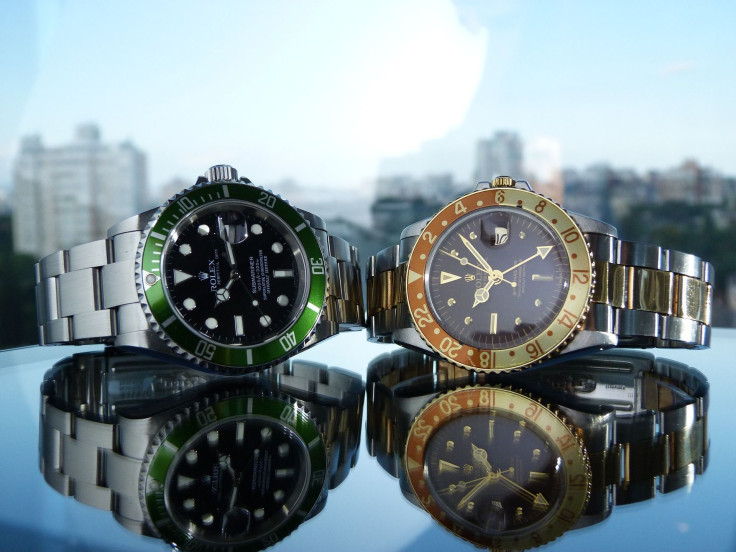
The men's luxury watch market in 2026 remains anchored by established Swiss and select international names, even as overall industry growth has moderated after earlier surges. Premium segments continue to outperform, with high-value pieces driving much of the export value according to recent analyses from firms tracking Swiss watch exports.
Rolex holds the clearest position of dominance through brand recognition, service infrastructure and consistent secondary-market performance. Other houses compete on design distinction, technical depth or accessible entry into serious mechanical watches. Buyer guides and collector sentiment emphasize fit, proportion and intended use over pure resale metrics when selecting a watch.
No universal ranking exists, as preferences vary by lifestyle, but several sources converge on a core group of standouts. One detailed 2026 buyer's map highlights ten brands that best serve different needs, from versatile daily wear to high complications and bold contemporary statements.
Rolex tops most assessments for its broad appeal and engineering consistency. The brand's Oyster case, introduced decades ago and still central to its identity, underpins models prized for durability and versatility. The Submariner remains the benchmark dive watch, while the GMT-Master II serves travelers and the Datejust offers everyday elegance. In 2026, Rolex continues to benefit from disciplined production and a global authorized-dealer network that supports long-term ownership. Collectors note its strong value retention across core references, though desirable variants often command premiums on the secondary market.
Cartier stands out for design-led elegance that avoids the round-steel uniformity common in sports watches. The Tank and Santos lines deliver recognizable proportions suited to tailoring or more formal settings. Cartier's heritage in jewelry informs its watchmaking, with options in both quartz and mechanical executions. Experts advise buyers to consider case size and movement preference carefully, as the brand excels for those seeking something visually distinct rather than another tool-watch archetype.
Omega provides strong everyday performance and chronograph heritage without excessive ceremony. The Speedmaster Professional carries NASA associations and remains a reference point for manual-wind chronographs, while Seamaster models deliver dive-watch capability with modern refinements. The brand's extensive catalogue rewards selective shopping; Aqua Terra references offer cleaner daily options. Industry observers position Omega as a persuasive alternative for collectors who value technical credibility and broader availability compared with more allocation-constrained houses.
Patek Philippe represents the pinnacle of traditional high watchmaking for many enthusiasts. Its Calatrava line introduces core values of proportion and finishing, while complications and sports references like the Nautilus command generational interest. A long-running campaign captured the brand's philosophy with the line: "You never actually own a Patek Philippe. You merely look after it for the next generation." In 2026, condition, provenance and documented service history matter significantly at this level, where pieces often transition between family members or serious collectors.
Vacheron Constantin, the oldest continuously operating watch manufacturer, appeals to those seeking refined high watchmaking with less public fanfare. The Overseas collection brings finishing into a modern sports format, while Patrimony and Traditionnelle lines handle formal duties and Historiques reinterpret archival designs. Buyers value its understated identity, which rewards attention to detail over bold branding. The brand suits collectors prioritizing heritage and discretion alongside technical excellence.
Jaeger-LeCoultre earns recognition for movement depth and dress-watch expertise. The Reverso, originally developed for polo players, remains a genuine design invention with its reversible case. Master Control and ultra-thin references provide quieter round alternatives. The manufacture's strength in in-house development makes it a favorite among those who appreciate horological substance. Experts recommend matching specific models to actual use cases, as precious or complicated versions are not intended for rugged tool-watch duty.
Grand Seiko distinguishes itself through exceptional dial and case finishing that enthusiasts describe as near-artisanal. Japanese precision combines with Spring Drive technology in many references, offering a sweeping seconds hand and high accuracy. The brand's quieter resale market compared with Rolex allows focused buyers to prioritize craft over liquidity. Heritage and Evolution 9 collections showcase textured dials and polished surfaces that reward close inspection. Fit and bracelet comfort should be tested in person, as photographs can understate wearing characteristics.
Audemars Piguet delivers sculptural luxury sports watches centered on the Royal Oak. The integrated bracelet and distinctive case architecture create a continuous visual language that has influenced an entire category. Offshore variants extend the design into more aggressive territory. In 2026, scarcity and condition remain key considerations; repeated polishing can affect sharp edges on iconic references. The brand attracts collectors who appreciate bold, architectural presence on the wrist.
Hublot embraces bold materials and contemporary visibility through ceramic, carbon and sapphire constructions. The Big Bang and Classic Fusion lines prioritize strong design statements and visible engineering. The approach is intentionally polarizing, appealing to those who want their watch noticed rather than understated. Buyers are advised to evaluate whether the aesthetic will remain satisfying over years of ownership, as the brand's visual language diverges from more conservative traditions.
Tudor offers the most accessible entry into serious Swiss mechanical sports watches. As a sister brand to Rolex with its own manufacture movements on many models, it provides robust cases and tool-watch character at a lower price point. The Black Bay collection channels vintage inspiration with modern engineering, while Pelagos references emphasize technical performance in titanium. Experts stress that Tudor stands on its own merits rather than as a direct substitute; proportions, colors and specific use cases should guide selection.
Market data shows the top brands continue to capture a disproportionate share of value, with premiumization accelerating even as overall volumes face pressure. High-end pieces above certain price thresholds account for growing portions of export value despite representing small unit volumes.
Independent watchmakers have gained auction attention for rare or record-setting pieces, yet the established brands above provide the combination of heritage, service support and recognizable identity that most buyers seek. Secondary-market performance varies significantly by reference; liquidity is strongest for core models from Rolex, Patek Philippe and Audemars Piguet.
Ownership considerations extend beyond purchase price. Service intervals, insurance, strap or bracelet adjustments and potential polishing costs factor into long-term satisfaction. Precious-metal cases behave differently from steel, and integrated bracelets on sports models amplify the consequences of wear or damage.
Industry guidance consistently returns to practical advice: select the watch that matches how it will actually be worn. A versatile sports model may suit travel and weekends, while a dress-oriented piece from Cartier or Jaeger-LeCoultre aligns better with tailoring. Proportion and fit on the wrist often determine whether a watch remains in regular rotation more than brand prestige alone.
In 2026, the men's luxury watch landscape rewards informed choices grounded in personal style and realistic use rather than chasing fleeting trends or allocation status. The brands highlighted here represent the consensus view among buyer resources and market observers for balancing recognition, craftsmanship and enduring appeal. Collectors and first-time buyers alike benefit from trying pieces in natural light and under a cuff before committing, allowing proportion and comfort to guide the final decision.
© Copyright 2026 IBTimes AU. All rights reserved.