Doctor Explains How Prostate Cancer Screening And Treatment Have Evolved To Reduce Unnecessary Biopsies
Understanding the Latest in Prostate Cancer Screening and Treatment
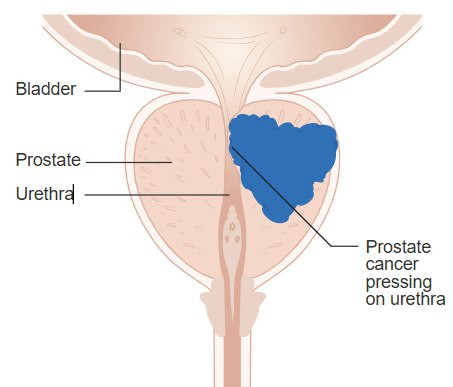
Roughly 1 in 8 men will be diagnosed with prostate cancer during their lifetime, according to the American Cancer Society, and the disease remains the second-leading cause of cancer death among American men. The National Cancer Institute estimates more than 333,000 new prostate cancer cases will be diagnosed in the United States this year alone.
Despite those numbers, Dr. Mina Fam, medical director of urologic oncology at Hackensack Meridian Jersey Shore University Medical Center and medical director of robotic surgery at Ocean University Medical Center, said the outlook for most men diagnosed with the disease is considerably better than the statistics might initially suggest.
"Most men diagnosed with prostate cancer do not die from it," Fam said, pointing to significant advances in early detection and treatment that have reshaped how doctors approach the disease in recent years.
Fam emphasized that a patient's primary care doctor plays a central role in catching prostate cancer early, given the ongoing relationship most men already have with that physician.
"The primary care doctor is the one who knows the patient's medical history the best," Fam said.
Because men can sometimes feel hesitant to discuss urinary or sexual health concerns with their doctors, Fam encouraged patients to be direct and honest about any fears or symptoms when prostate health comes up during an appointment.
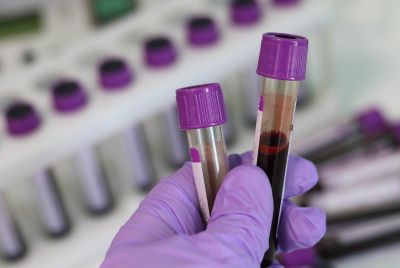
The prostate-specific antigen, or PSA, blood test has returned to its position as a standard starting point for prostate cancer screening after a period during which some in the medical community had moved away from relying on it. Fam said the purpose of the test is not to trigger unnecessary alarm, but to establish a baseline that can help doctors track meaningful changes over time.
"The goal of the test isn't to overdiagnose but rather to establish a healthy baseline and catch any potential issues early," Fam said.
Screening timelines vary depending on individual risk factors, according to Fam, who outlined general guidance for when men should begin discussing screening with their doctors. Men at average risk should begin those conversations around age 50. Black men and those with a family history of prostate cancer, both groups considered at higher risk, should start discussions closer to age 45. Men with a known genetic predisposition, such as a BRCA mutation, face hereditary risk and should begin screening conversations between ages 40 and 45.
Fam stressed that interpreting PSA results requires more nuance than simply checking whether a number falls above or below a specific threshold.
"A PSA test isn't a simple 'pass or fail,'" Fam said. "It's the trend — how your PSA levels change over time — along with your age and prostate density, that is far more revealing than the absolute number on your lab report."
One of the more significant shifts in prostate cancer care in recent years involves how doctors respond to an elevated PSA reading. According to Fam, an elevated score once led almost automatically to a prostate biopsy, a pattern that has since changed considerably as newer diagnostic tools have become available.
"In the past, anyone with an elevated PSA would get a prostate biopsy, but that's not the case anymore," Fam said. "Today, specialists utilize advanced MRI tests, alongside new blood and urine biomarkers, to accurately determine if a biopsy is truly necessary."
For patients who do ultimately need a biopsy, Fam said technological improvements have made the procedure considerably safer and more tolerable than many men expect.
"While doctors are always mindful of minimizing risks like sepsis, modern biopsies are not always the highly invasive or painful procedures men might fear," Fam said.
Fam also addressed a common misconception surrounding prostate cancer symptoms, noting that sudden urinary changes are frequently misinterpreted by patients as a likely sign of cancer.
"Frequently point to completely benign non-cancerous prostate conditions," Fam said of such symptoms, adding that early-stage prostate cancer often presents with no noticeable symptoms at all, a key reason routine screening remains so important for catching the disease before it advances.
Even when a diagnosis is confirmed, Fam said patients should not assume aggressive treatment is automatically necessary. Depending on the specific characteristics of a given cancer, he said many men are well-suited to a strategy known as active surveillance, in which doctors closely monitor the cancer over time rather than pursuing immediate intervention.
"Many men are excellent candidates for active surveillance, which is a safe strategy of closely monitoring the cancer without immediate medical intervention," Fam said.
Fam closed by encouraging men not to let discomfort or fear stand in the way of prioritizing their long-term health.
"Don't let fear or embarrassment keep you from prioritizing your health," Fam said. "Routine screenings are simple, highly individualized, and life-saving."
The broader shift Fam described, from reflexive biopsies toward more targeted, individualized diagnostic pathways using MRI imaging and newer biomarker tests, reflects a wider trend across oncology in recent years, as doctors increasingly aim to avoid unnecessary invasive procedures while still catching aggressive cancers early enough to treat them effectively. For prostate cancer specifically, that shift has meant fewer men undergoing biopsies that ultimately reveal no cancer or only slow-growing disease unlikely to ever threaten their health, while still preserving the ability to identify and treat more aggressive cases before they progress.
As with any specific health concern, men with questions about their individual prostate cancer risk, screening schedule or treatment options are encouraged to discuss their circumstances directly with their own doctor, given how significantly personal factors such as age, race, family history and genetic background can shape the most appropriate approach to screening and care.
© Copyright 2026 IBTimes AU. All rights reserved.
- Recommended For You