Massive KitKat Heist: 413,793 Bars Stolen in Europe Cargo Theft
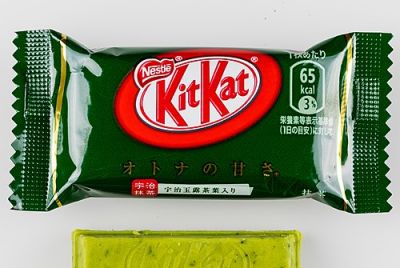
Thieves made off with more than 12 tons of KitKat chocolate bars — exactly 413,793 individual pieces — after stealing a truck transporting the popular wafers from a Nestlé production site in central Italy toward Poland last week, the Swiss food giant said Saturday.

The shipment of the crunchy chocolate-covered wafers, part of KitKat's new range, disappeared during transit in Europe. As of Friday, the vehicle and its entire load remained unaccounted for, Nestlé reported. No injuries were reported in the incident.
In a statement laced with trademark British-style humor, KitKat — produced by Nestlé — quipped: "We've always encouraged people to have a break with KitKat – but it seems thieves have taken the message too literally and made a break with more than 12 tonnes of our chocolate."
The company added a more serious note: "Whilst we appreciate the criminals' exceptional taste, the fact remains that cargo theft is an escalating issue for businesses of all sizes. With more sophisticated schemes being deployed on a regular basis, we have chosen to go public with our own experience in the hope that it raises awareness of an increasingly common criminal trend."
The bars, destined for distribution across Europe with a final stop in Poland, left the Italian factory earlier in the week. Nestlé did not disclose the precise location where the truck was taken or any details about possible suspects. Italian and Polish authorities, along with European law enforcement, are investigating, according to reports citing company statements.
Each stolen KitKat bar carries a unique batch code that allows traceability. Anyone scanning the code on packaging would receive instructions to contact KitKat, the company said, in an apparent effort to deter black-market resale and aid recovery.
The theft comes at a sensitive time for chocolate lovers, just weeks before Easter, raising concerns about potential short-term shortages in stores across Europe. Nestlé sought to reassure consumers, stating its global supply chain is "robust and diversified" and that it is actively managing the impact while supporting the ongoing investigation.
KitKat, one of the world's best-selling chocolate bars since its creation in 1935 by Rowntree's in York, England, features a distinctive four-finger wafer design. Nestlé acquired the brand and produces it for markets outside the United States, where The Hershey Co. holds licensing rights.
This high-volume heist highlights the growing problem of cargo theft across Europe and beyond. Industry reports indicate cargo theft incidents and losses have surged in recent years, driven by organized criminal groups targeting high-value, easily resalable goods like electronics, pharmaceuticals, metals and now consumer staples such as chocolate.
In North America alone, cargo theft losses reached an estimated $6.6 billion in 2025, with confirmed incidents rising 18% year-over-year and average theft values climbing 36% to about $274,000 per event, according to Geotab research. Concerns among U.S. fleet operators jumped 38%, with many reporting direct experience of thefts.
Similar trends appear in Europe, where sophisticated tactics — including GPS spoofing, identity fraud, cyber-enabled diversion of shipments and insider involvement — have become more common. Criminal networks often resell stolen goods through informal channels, online marketplaces or export to other regions.
Food and beverage shipments, while sometimes viewed as lower-value targets compared to luxury goods, offer advantages for thieves: high volume, broad consumer demand and relatively easy disposal without specialized fencing networks required for electronics.
Nestlé's decision to publicize the theft aligns with a broader industry push for greater transparency and collaboration to combat cargo crime. Trade groups and insurers have urged companies to share incident data, invest in tracking technology and enhance driver training and route security.
The stolen shipment represents a substantial quantity. At roughly 29 grams per standard KitKat bar (four-finger version), 413,793 bars equate to approximately 12 metric tons — enough chocolate to fill a large truck trailer and satisfy sweet cravings for thousands of consumers.
Social media reacted swiftly to the news, with users joking about the thieves' "sweet tooth" and speculating on the fate of the missing wafers. Memes featuring the classic KitKat slogan "Have a break" proliferated online, turning the serious crime into light-hearted viral content.
Nestlé, headquartered in Vevey, Switzerland, is one of the world's largest food and beverage companies, with a vast portfolio including Nescafé, Maggi, Purina and many confectionery brands. The company employs hundreds of thousands globally and operates factories across Europe, including multiple sites in Italy dedicated to chocolate production.
While the immediate financial loss to Nestlé was not disclosed, such incidents can involve significant costs beyond the value of the goods, including insurance claims, replacement production, supply chain disruptions and heightened security investments.
Experts note that chocolate shipments may become more attractive targets as criminals seek steady, lower-profile hauls compared to flashy electronics loads that draw heavier law enforcement scrutiny. The pre-Easter timing could amplify resale opportunities in a season of heightened chocolate demand.
Law enforcement agencies across the European Union have stepped up efforts against organized cargo theft rings, often linked to broader criminal enterprises involved in drug trafficking or human smuggling. Cross-border cooperation through Europol and national police forces remains key to tackling these mobile operations.
For consumers, the message from Nestlé is continuity: while this specific shipment is missing, ample supplies of KitKat bars should remain available through diversified sourcing. Shoppers noticing unusual scarcity in certain markets are encouraged to report suspicious products via the batch code system.
The incident serves as a reminder of vulnerabilities in global supply chains, even for iconic everyday products. As criminals adopt advanced technology to outpace traditional security, companies and governments face pressure to innovate defenses — from AI-powered monitoring and blockchain tracking to physical escorts on high-risk routes.
Nestlé emphasized its commitment to the investigation and cooperation with authorities. "Any theft is concerning," the company reiterated, while expressing confidence in its overall resilience.
As police continue searching for the missing truck and its chocolaty cargo, the sweet-toothed bandits remain at large — leaving behind a trail of wafers, wit and a spotlight on the escalating battle against cargo crime.
© Copyright 2026 IBTimes AU. All rights reserved.
- Recommended For You