Apple iOS 26.4 Finally Adds Custom Alarm Tones to iPhone After Years of Demand
CUPERTINO, Calif. — Apple has rolled out iOS 26.4, delivering a long-requested feature that allows users to set custom alarm tones on their iPhones for the first time, ending years of frustration for millions who have been stuck with the limited built-in sounds since the smartphone's launch.
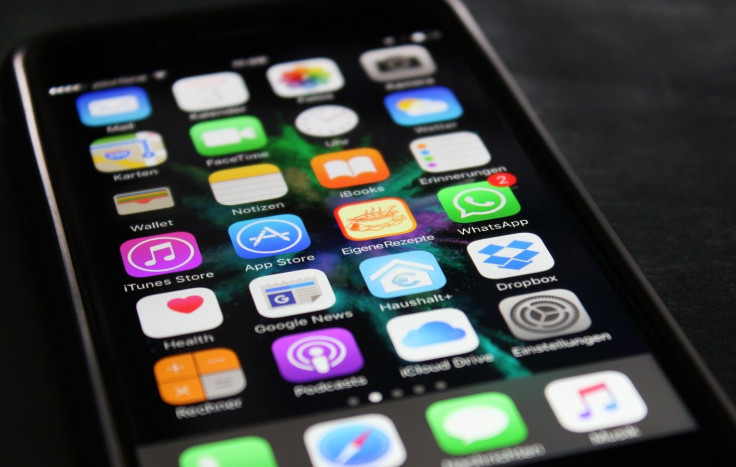
The update, released to the public on April 28, 2026, introduces full support for custom audio files as alarm tones, letting users select songs from their Music library, voice recordings, or third-party audio clips. The change has been warmly welcomed by users who have complained for over a decade about the restrictive selection of default alarm sounds.
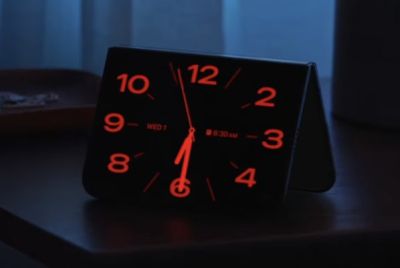
To use the new feature, iPhone owners simply open the Clock app, create or edit an alarm, and tap the new "Sound" option. Users can now browse their entire music library or uploaded audio files. The system supports most common audio formats, with seamless integration for Apple Music subscribers. Apple has also added the ability to set different custom tones for weekdays versus weekends.
The addition comes after persistent user feedback across social media, App Store reviews and internal surveys. Many iPhone owners have long envied Android's flexibility with custom ringtones and alarms, while being limited to Apple's small selection of chimes and tones on iOS. The feature was one of the most requested improvements in recent years.
Tech analysts say the timing makes strategic sense. With competition intensifying from Android manufacturers offering highly customizable experiences, Apple is addressing pain points that have driven some users toward switching platforms. The update also aligns with broader efforts to improve personalization across iOS.
Early user reactions have been overwhelmingly positive. Social media platforms filled with posts of people showcasing their new custom alarms, from favorite songs and family voice recordings to humorous sound effects. Many described it as a small but meaningful quality-of-life improvement that makes waking up slightly more bearable.
The feature includes smart safeguards. Alarms using custom audio will gradually increase in volume if the selected sound is too quiet, ensuring users actually wake up. Apple has also added accessibility options, allowing users with hearing impairments to pair custom tones with stronger vibration patterns or visual alerts.
Beyond custom tones, iOS 26.4 includes several other refinements. Battery optimization has been improved for older devices, Safari receives better tab management, and there are enhanced privacy controls for apps accessing location data. The update also patches several security vulnerabilities identified in recent weeks.
For long-time iPhone users, the custom alarm addition feels particularly significant. Since the original iPhone launched in 2007, the alarm functionality has remained relatively unchanged in terms of sound customization. The limitation became more noticeable as smartphones evolved into deeply personal devices with vast media libraries.
Apple's cautious approach to the feature likely stemmed from technical and user-experience considerations. Ensuring custom audio works reliably across different device generations, handles edge cases like low battery or Do Not Disturb mode, and maintains system stability required careful development. The company appears to have solved these challenges in iOS 26.4.
The rollout is staged, with compatible devices receiving the update progressively. Users with iPhone 12 and newer models are seeing the feature first, while older supported devices will get it in the coming days. Apple recommends backing up devices before installing major updates.
Industry observers see this as part of a larger trend. As smartphones mature, companies are focusing more on thoughtful refinements rather than revolutionary new hardware features. Custom alarm tones represent the kind of meaningful personalization users have been requesting for years.
For those setting up custom alarms, Apple offers guidance within the Clock app. Recommended best practices include using clear, distinct sounds that won't blend into background noise and testing alarms before relying on them for important wake-ups. The feature also supports Shortcuts integration for more advanced automation.
The update has sparked renewed discussion about iOS customization. While Android has long offered deeper personalization, iOS 26.4 narrows the gap in one key area many users care about daily. Some analysts predict further customization options in future releases as Apple continues responding to user feedback.
As iOS 26.4 spreads to millions of devices worldwide, the custom alarm tones feature stands out as a perfect example of Apple listening to its users. What began as a frequently requested improvement has now become reality, giving iPhone owners more control over one of the most personal aspects of their daily routine.
For many, waking up to a favorite song or loved one's voice instead of the default chimes will be a small but welcome change. After years of waiting, iOS 26.4 finally delivers on a simple but meaningful request — proving that even the most polished operating systems can still improve in thoughtful ways.
© Copyright 2026 IBTimes AU. All rights reserved.
- Recommended For You