(VIDEO) Michael Jackson Biopic Delivers Electrifying Performances but Skirts Controversy in Safe Tribute

LOS ANGELES — The long-awaited Michael Jackson biopic "Michael" hit theaters with a star-studded premiere and mixed early reactions Tuesday, offering dazzling musical sequences and a breakout performance by Jaafar Jackson while drawing criticism for its sanitized portrayal of the King of Pop's complicated life.
Directed by Antoine Fuqua and written by John Logan, the film traces Jackson's journey from child prodigy in the Jackson 5 to global superstar through the release of his landmark 1982 album "Thriller." Produced with the cooperation of the Michael Jackson Estate and distributed by Lionsgate, "Michael" arrives in theaters Friday after a world premiere in Berlin on April 10 and a high-profile U.S. premiere in Los Angeles on Monday night.
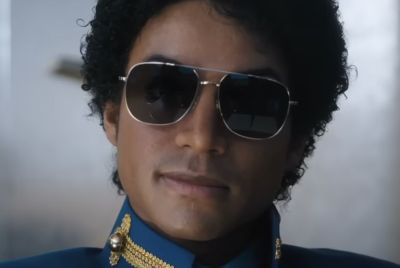
Jaafar Jackson, Michael's nephew, stars as the adult version of the icon, delivering what many early viewers called a "tremendous" and "mesmerizing" performance that captures his uncle's mannerisms, vulnerability and stage presence. Young Michael is portrayed by Juliano Krue Valdi, who also earned praise for his portrayal of the child star. Supporting roles include Colman Domingo as the stern patriarch Joe Jackson, Nia Long as Katherine Jackson, Miles Teller as manager John Branca, and appearances by Laura Harrier, Larenz Tate and others.
Early reactions from the Los Angeles premiere and select critics highlighted the film's strengths in recreating iconic performances. The "Thriller" and "Beat It" sequences reportedly feature impressive choreography and visual spectacle, with Jaafar Jackson's dancing and singing earning comparisons to the original. Reviewers described the musical numbers as "off-the-charts" and "electrifying," providing the emotional high points that fans have anticipated.
However, several critics noted the film's decision to avoid the most controversial chapters of Jackson's life. The narrative stops in the mid-1980s, before the major child abuse allegations surfaced, and reshoots reportedly removed references to those events due to legal constraints from a 1994 settlement. Some reviewers called the approach "saccharine" and "reverential," likening it to a "bland daytime TV movie" that prioritizes celebration over complexity. One critic described it as "terrified to explore the interiority" of its subject, offering little new insight beyond familiar highlights.
Fuqua, known for intense dramas like "Training Day," opts for a straightforward chronological structure rather than a bold reinterpretation. The film humanizes Jackson through quieter family moments and his struggles with fame and his father's expectations, but many felt it played things too safely. The estate-backed production emphasizes the music, legacy and artistry, presenting Jackson as a visionary entertainer whose personal struggles are acknowledged but not deeply examined.
The $200 million production faced multiple delays and reshoots, including 22 additional days of filming in 2025 that reportedly cost $10 million to $15 million. These changes, along with a shift from an initial 2025 release to April 24, 2026, fueled speculation about creative differences and legal hurdles. Some reports suggested the final cut functions as "Part One," with potential sequels exploring later chapters.
Despite the controversies, many fans and early audience members left theaters impressed by the spectacle and emotional payoff. Social media buzzed with praise for Jaafar Jackson's transformation, with some calling it a "breakout performance" that makes viewers "forget he isn't the real thing." The film's respectful tone and focus on Jackson's genius resonated with those seeking a celebratory tribute rather than a critical exposé.
Critics' scores remain mixed ahead of wide reviews dropping Wednesday. Positive voices highlight the musical excellence and Jaafar Jackson's commitment, while detractors argue the film glosses over Jackson's complexities, resulting in a polished but shallow biopic. The approach mirrors other estate-approved projects that prioritize legacy preservation over unflinching examination.
For Jackson's global fanbase, known as the Army of Love, the film offers a chance to relive the magic of his early career on the big screen. The recreation of Motown performances, the rise to "Thriller" dominance and the cultural impact of breaking MTV barriers provide nostalgic satisfaction. Yet for those hoping for a nuanced exploration of fame's toll, the absence of later controversies leaves a noticeable gap.
Director Fuqua aimed to capture both the showman and the sensitive artist behind the hits. The film includes tender scenes of family life in Gary, Indiana, and Jackson's drive to innovate, but stops short of the scandals that defined much of his later public image. Producers, including Graham King (known for "Bohemian Rhapsody"), positioned the project as a tribute to the music and legacy rather than a definitive biography.
The cast's dedication shines through. Jaafar Jackson trained extensively to embody his uncle's voice, dance moves and emotional depth, drawing from family stories and archival footage. Domingo brings simmering intensity to Joe Jackson, portraying the demanding father whose influence shaped Michael's ambition and insecurities. Nia Long adds warmth as Katherine, grounding the family dynamic.
Visually, the film leans into cinematic spectacle with vibrant recreations of iconic videos and performances. Cinematography and choreography aim to transport audiences to the height of Jackson's creative peak, complete with moonwalks, glove spins and crowd hysteria.
As "Michael" prepares for wide release, it faces the challenge of satisfying both devoted fans eager for celebration and broader audiences seeking deeper insight. The estate's involvement ensures a protective lens, but some critics argue this limits the film's dramatic potential and cultural resonance.
Early box office projections suggest strong opening weekend interest, particularly among fans nostalgic for Jackson's unparalleled showmanship. International appeal remains high given Jackson's global icon status.
The film arrives amid ongoing conversations about separating Jackson's art from his personal controversies. By focusing on the pre-1990s era, "Michael" sidesteps much of that debate, presenting a version of the story centered on talent, perseverance and groundbreaking success.
Whether the biopic changes minds or reinforces existing views remains to be seen. For many, Jaafar Jackson's performance alone justifies the ticket price, delivering a heartfelt homage to one of music's most influential figures.
As reviews roll in and audiences experience the film this weekend, "Michael" stands as both a lavish tribute and a reminder of the challenges in portraying larger-than-life legends. The King of Pop's story continues to captivate, even when told through a carefully curated lens.
© Copyright 2026 IBTimes AU. All rights reserved.
- Recommended For You