(VIDEO) Body of Alleged Triple Murderer Julian Ingram Found Near Lake Cargelligo After Four-Month Manhunt
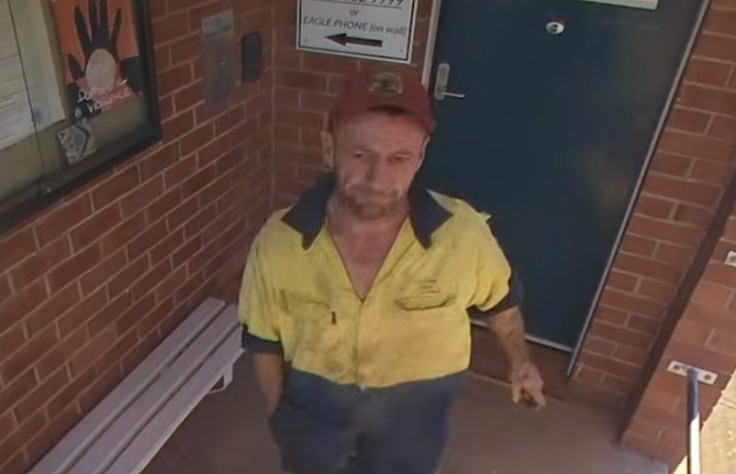
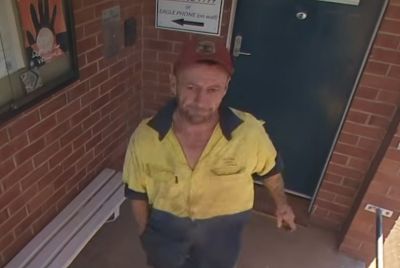
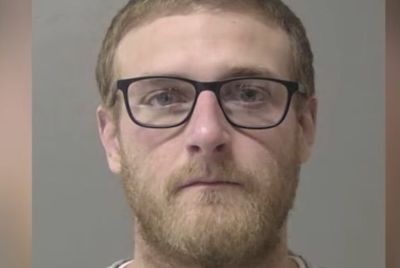
LAKE CARGELLIGO, Australia — Police have discovered a body believed to be that of Julian Ingram, the 37-year-old man wanted for the alleged triple murder of his pregnant former partner, her new boyfriend and her aunt in this central-west New South Wales town in January.
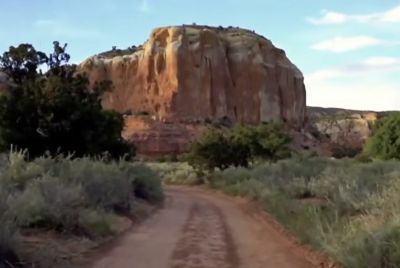
The grim discovery, made Monday beside an abandoned ute about 50 kilometres northwest of Lake Cargelligo, ends a sprawling four-month manhunt that gripped the region and drew national attention. Formal identification and a cause of death are pending, but police sources told the ABC the remains are those of Ingram.
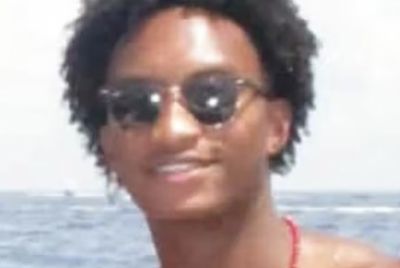
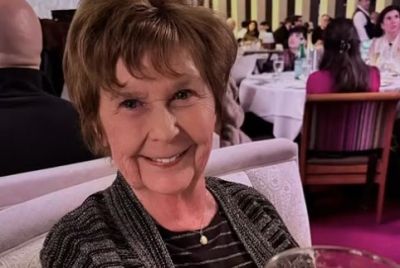
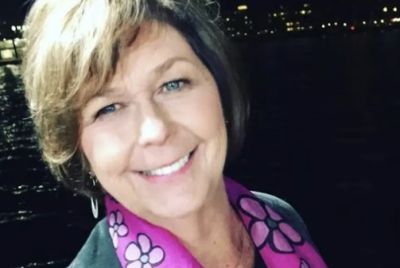
Ingram had been the subject of one of the largest searches in recent NSW history after the Jan. 22 shootings that killed Sophie Quinn, 25 and seven months pregnant, her friend John Harris, 32, and Quinn's aunt Nerida Quinn, 50. A 19-year-old man, Kaleb Macqueen, was seriously injured but survived.
The day that shattered a small town
On that summer afternoon, police say Ingram opened fire in a suspected domestic violence-related rampage. He allegedly shot Quinn and Harris as they sat in a car, then drove to Nerida Quinn's nearby home and killed her before wounding Macqueen. Ingram fled the scene in a stolen Lachlan Shire Council ute, sparking an immediate and intense pursuit.
Despite extensive ground and air searches covering more than 60,000 acres, multiple reported sightings and a $250,000 reward, Ingram had evaded capture for 109 days. Police had publicly stated they believed he was receiving assistance from someone in the community while surviving in the arid outback.
Discovery brings mixed emotions
Assistant Commissioner Andrew Holland, Western Region Commander, was scheduled to address the media Monday afternoon. Families of the victims have been notified. Community members expressed a complex mix of relief that the manhunt is over and sorrow for all those affected by the violence.
Aboriginal and Torres Strait Islander readers are advised that this story contains names of Indigenous people who have died, used with permission from their families. Ingram and some of the victims were known in local Indigenous communities.
Ingram's background and prior history
Court documents later revealed Ingram had a history of domestic violence. A decade earlier, he allegedly threatened a former partner with a gun and made violent statements about her new partner. He had faced bail decisions in the months leading up to the January shootings, raising questions about the handling of his prior matters.
The former council gardener was last seen driving away from Lake Cargelligo shortly after the shootings. His phones and bank accounts remained untouched, adding to the mystery of how he survived for months in harsh terrain.
Impact on victims' families
The Quinn and Harris families have endured months of painful waiting while grieving. Sophie Quinn's unborn child also died in the shooting. Relatives described the victims as beloved community members whose loss left deep scars in the tight-knit town of about 1,500 people.
Support services have been offered to affected families and the broader Lake Cargelligo community as news of the body's discovery spreads. Counselling and victim support remain available through NSW police and local organizations.
The long manhunt
Police conducted one of the most extensive operations in regional NSW history. Strike Force Janko involved hundreds of officers, drones, helicopters and tracking dogs. Numerous reported sightings kept hope alive that Ingram was still alive and could face justice, but many also feared he may have perished in the outback.
The $250,000 reward offered in March generated new tips but no breakthrough until Monday's discovery. Police had repeatedly appealed for community help, stressing that anyone harbouring Ingram could face serious charges.
Broader questions raised
The case has prompted renewed discussion about domestic violence responses, bail laws and support for regional communities facing violence. Advocacy groups have called for stronger protections for victims and better coordination between agencies handling high-risk offenders.
Small towns like Lake Cargelligo often struggle with visibility and resources when tragedy strikes. The prolonged manhunt placed additional strain on local residents, many of whom knew both the victims and the accused.
What comes next
Forensic examinations, including autopsy and formal identification, will confirm the body's identity and determine cause of death. Police have not yet commented on whether foul play or self-inflicted injuries are suspected.
The discovery effectively closes the active manhunt phase, but the investigation into the January shootings continues. Coronial inquiries and any related proceedings will provide further answers for the victims' families.
As Lake Cargelligo processes this latest development, the focus returns to healing and supporting those left behind. The discovery of Ingram's body brings an end to one chapter of a painful saga while leaving many questions about the events of January 22 still unanswered.
© Copyright 2026 IBTimes AU. All rights reserved.
- Recommended For You