(VIDEO) 93-Year-Old's Tesla FSD Church Drive Goes Viral: Heartwarming Independence Rediscovered
SAN DIEGO — A 93-year-old California woman's joyful ride to church in her Tesla equipped with Full Self-Driving technology has captured the internet's attention, turning a simple Saturday morning errand into a viral symbol of how autonomous vehicles are restoring independence to seniors.

The video, shared Friday by influential X account Mario Nawfal and quickly amplified by Elon Musk, shows the white-haired driver smiling behind the wheel as her Tesla navigates suburban streets, highways and turns without intervention. She chats casually with the car's voice assistant, eats a small cup of gelato and beams with delight as the vehicle announces arrivals and route changes. "I love that lady," she says warmly, referring to Grok, xAI's AI assistant integrated into Tesla's system.
A 93 year old lady filmed her Tesla FSD taking her to church and her joy is the most wholesome content on the internet.
— Mario Nawfal (@MarioNawfal) April 17, 2026
Her take on Grok: "I love that lady." https://t.co/uCYGtNLIKy pic.twitter.com/NYIUXLwFUZ
The clip, originally from a longer family video posted by the woman's son on the "Dan Doyle's Family Channel," has racked up more than a million views in less than 24 hours. It arrives at a moment when Tesla is rolling out its Spring 2026 software update, which includes enhanced FSD tracking tools, a dedicated self-driving app and hands-free "Hey Grok" voice activation.
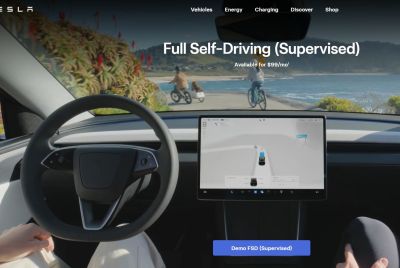
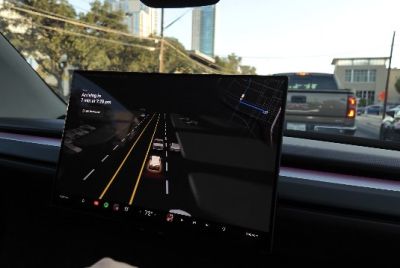
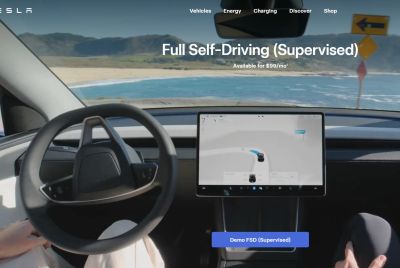
In the footage, the woman relaxes in the driver's seat of her Tesla while the car handles 13 miles of driving to Mission Valley Christian Fellowship. The dashboard screen displays real-time navigation, speed and lane guidance. At one point she jokes with the system: "Hey, if the worship isn't good, could you go a little slower?" Later, as the car signals a turn onto Mercy Road, she laughs and says, "Mercy." Her hands rest lightly on the wheel, a seatbelt across her blue striped top, but the vehicle steers, accelerates and brakes on its own.
Her son, who filmed the trip, explained in accompanying posts that his mother had grown uncomfortable driving herself in recent years due to age-related fatigue and safety concerns. The Tesla with FSD changed that. "No more relying on others for every trip," he noted. "No more feeling stuck. This is true mobility."
A Growing Trend for Seniors
The story resonates far beyond one family. Across the United States and in early-adopter markets like Europe, seniors are among the fastest-growing group embracing Tesla's supervised autonomous technology. Similar videos have surfaced recently: an 87-year-old trying FSD for the first time, a 95-year-old Dutch veteran experiencing smooth city driving in Amsterdam, and multiple accounts of elderly drivers regaining the ability to visit grandchildren, run errands or attend religious services without depending on family.
Tesla executives and advocates argue the technology addresses a critical gap. As people live longer, many surrender driver's licenses between ages 70 and 85, leading to isolation, depression and loss of autonomy. Public transportation or rideshares are not always practical for spontaneous trips or those in suburban or rural areas. FSD, still labeled "supervised" and requiring a licensed driver ready to intervene, offers a middle ground that feels empowering rather than restrictive.
Musk himself reacted to Nawfal's post by quoting an earlier video with the caption "Did you know Tesla FSD was this good?" The endorsement helped propel the clip into millions of impressions, with replies pouring in from adult children, grandparents and disability advocates. "This is what people don't get," one user wrote. "Tesla doesn't need commercials. When an elderly woman lights up because she can safely get to church again, that's not marketing — that's freedom."
Others highlighted broader societal benefits. "FSD isn't just tech," another commenter noted. "It's independence. It's dignity. It's giving someone their life back." Several users shared personal stories: a daughter lobbying to buy her 83- and 85-year-old parents a Tesla, a veteran impressed by FSD's handling of narrow European streets, and families relieved that aging relatives no longer feel trapped at home.
Tesla's Push for Accessibility
The timing of the viral moment coincides with Tesla's aggressive software rollout. The Spring 2026 update, now reaching vehicles worldwide, introduces a redesigned self-driving app for owners with AI4 hardware. Users can subscribe to FSD with one tap, monitor usage streaks, view daily and monthly statistics, and even watch in-car tutorials. Overnight software installation is now automatic when enabled, reducing downtime.
"Hey Grok" voice commands allow hands-free interaction, a feature the 93-year-old appears to enjoy. The update also adds safety enhancements such as interior blind-spot lighting and extended 24-hour dashcam storage. While FSD remains supervised in most jurisdictions and faces regulatory scrutiny, Tesla reports steady improvements in miles between interventions.
Critics caution that the technology is not yet fully autonomous and still requires human oversight. Some drivers have expressed concern about over-reliance, especially among older users who might hesitate to intervene in an emergency. However, Tesla maintains that FSD's accident rate is significantly lower than human-driven vehicles when used correctly.
Cultural and Emotional Impact
Beyond statistics, the video's appeal lies in its emotional authenticity. The woman's radiant smile, relaxed posture and lighthearted banter humanize advanced technology. She is not a tech enthusiast or early adopter; she is simply a grandmother who wanted to attend worship without burdening family members. In an era of digital fatigue and polarizing headlines, the clip offers unfiltered wholesomeness that crossed political and generational lines.
Social media reactions reflect that universality. Replies include everything from "This is pure gold" to calls for expanded marketing aimed at seniors. One user suggested Tesla launch campaigns outside social platforms, targeting older adults through churches, senior centers and family networks. Another noted the technology's potential for people with disabilities, saying it could "help so many get on the roads again."
The moment also underscores Tesla's evolving public image. While the company continues to face questions about full autonomy timelines and competition from rivals like Waymo, stories like this emphasize real-world human benefits over futuristic promises. Nawfal, whose account regularly highlights Tesla milestones, framed the video as "the most wholesome content on the internet," a sentiment echoed by thousands.
Looking Ahead
As Tesla pushes toward unsupervised FSD and eventual robotaxi deployment, moments like this 93-year-old's church run serve as powerful proof points. They illustrate how the technology could reshape aging, reduce caregiver burdens and expand mobility for millions. Regulators, insurers and urban planners are watching closely, with some jurisdictions already exploring how autonomous vehicles might integrate into senior care programs.
For now, the woman in the video continues her routine, gelato in hand, worship ahead, car driving itself. Her simple joy has reminded the world that innovation's greatest value often lies not in speed or spectacle, but in the quiet restoration of everyday freedoms once thought lost.
The clip's rapid spread suggests the public craves these stories — tangible examples that complex engineering can deliver profound, personal happiness. Whether this sparks a wave of senior Tesla purchases or simply warms hearts on a spring weekend, one thing is clear: a 93-year-old's smile behind the wheel of a self-driving car has become one of 2026's most shared symbols of hope, independence and the quiet power of technology done right.
© Copyright 2026 IBTimes AU. All rights reserved.
- Recommended For You