Peter Thiel Warns of Coming Antichrist in Rome Lectures as Tech Billionaire Sparks Global Debate
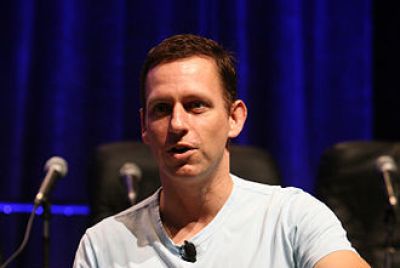
ROME — Peter Thiel, the billionaire co-founder of PayPal and Palantir Technologies and a longtime influential voice in technology and conservative politics, delivered a series of provocative closed-door lectures in Rome in March 2026 that have ignited intense theological, political and cultural debate.
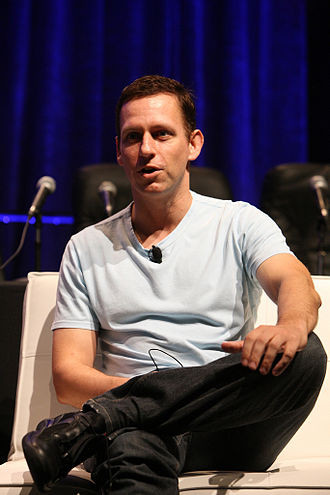
Thiel, 58, warned in the four-part series that an Antichrist figure could emerge promising safety from existential threats such as artificial intelligence, climate change and geopolitical conflict, only to impose a dystopian one-world government. Drawing on biblical prophecy, the investor described "occult forces" at work to undermine Western civilization and linked modern environmentalism, technology regulation and global governance efforts to end-times scenarios.
The invitation-only lectures, hosted by a conservative Christian group and held near the Vatican from March 15-18, explored themes of the Bible, Christ and the apocalypse. Thiel framed the Antichrist not as a reckless technologist but as a "Luddite who wants to stop all science," citing figures like Swedish climate activist Greta Thunberg as symbolic of forces he believes seek to halt technological progress in the name of safety.
Catholic commentators quickly pushed back. Some labeled Thiel's interpretations as bordering on heresy or overly apocalyptic, arguing they misrepresent Church teachings on eschatology. Vatican officials and Catholic institutions issued statements distancing themselves from the event, emphasizing no official involvement. The secretive nature of the gathering — with no press allowed and the exact venue undisclosed — only amplified public fascination and criticism.
Thiel has increasingly woven religious and philosophical ideas into his public commentary in recent years. In earlier interviews and talks, including a 2025 appearance on a New York Times podcast, he delved deeply into the concept of the Antichrist, telling interviewer Ross Douthat he needed significant time to unpack his views. He has connected these ideas to what he calls the "end of modernity," portraying environmental movements and calls for AI safety as spiritual battles over humanity's future.
The Rome lectures came amid Thiel's continued influence in technology and politics. As a key early supporter of President Donald Trump, Thiel has shaped networks that extend into the current administration, with protégés and associates holding prominent roles. However, he has repeatedly stated he has no plans for a full-time government position, telling Piers Morgan in late 2024 that such involvement would leave him "depressed and crazy."
On the investment front, Thiel's portfolio moves have drawn attention from Wall Street. In the third quarter of 2025, his Thiel Macro fund sold stakes in Nvidia and Tesla while significantly increasing positions in Apple and Microsoft. The shift surprised observers who expected continued heavy bets on artificial intelligence hardware leaders. By early 2026, reports indicated further portfolio adjustments, including a substantial liquidation of holdings worth more than $74 million in one quarter, signaling caution amid market volatility.
Thiel has also remained active in political funding. In January 2026, he donated $3 million — one of his largest recent contributions — to groups opposing a proposed California billionaire wealth tax ballot measure. He has continued supporting conservative causes, including donations to Republican political action committees focused on tax policy and limited government.
His warnings about real estate have added another dimension to his public commentary. Thiel has described a potential "catastrophe" in housing markets that could disproportionately harm young Americans, echoing 19th-century economist Henry George's concerns about runaway property prices benefiting existing owners while locking out new generations. He has pointed to dynamics in major cities where population growth drives sharp increases in home values that outpace wage gains.
Through Palantir, the data analytics company he co-founded, Thiel maintains significant business interests. The firm has secured major government contracts and expanded its role in defense and intelligence applications. Critics have raised questions about transparency and influence, particularly as Palantir's technology supports various public sector initiatives.
Thiel's worldview blends libertarian skepticism of big government with a deep pessimism about stagnation in science and technology. He has long argued that Western societies have lost the ambition that once drove projects like the Manhattan Project, calling instead for renewed progress in areas such as energy, biotechnology and space exploration. His support for life-extension research and transhumanist ideas reflects a belief that technology should push fundamental boundaries of human existence.
The Rome controversy has highlighted tensions between Thiel's technological optimism and his apocalyptic framing of certain social and political trends. Supporters view his lectures as a bold intellectual exercise challenging complacency, while detractors see them as alarmist rhetoric that serves to resist regulation of powerful tech interests.
As of April 2026, Thiel continues to split time between investment activities, philanthropic efforts and occasional public appearances. He has funded podcasts and thinkers aligned with his contrarian views, including significant support for emerging media voices. His influence extends through a network of former employees and mentees now scattered across government, venture capital and technology companies.
Analysts note that Thiel's recent activities reflect a consistent pattern: using wealth and intellectual capital to challenge prevailing narratives on progress, governance and culture. Whether discussing portfolio shifts away from certain AI plays, warning of housing crises for the young, or lecturing on biblical prophecy near the Vatican, he provokes strong reactions that keep him at the center of important conversations.
The Rome lectures have sparked broader discussions about the intersection of faith, technology and politics in an era of rapid change. Some observers see Thiel as a modern Jeremiah issuing warnings about hubris and overreach, while others worry his framing could fuel division or distract from practical policy debates on AI safety, climate action and economic inequality.
For now, Thiel shows no signs of retreating from the spotlight. With Palantir thriving, his investment vehicles active and his ideas circulating in elite circles, the PayPal mafia co-founder remains one of the most distinctive and polarizing figures in technology and public life. His ability to blend Silicon Valley pragmatism with grand philosophical and theological concerns ensures he will continue shaping debates well into the future.
As global tensions, technological disruption and political realignments unfold, many will watch closely to see how Thiel's warnings — whether about markets, housing, governance or spiritual forces — play out against real-world developments.
© Copyright 2026 IBTimes AU. All rights reserved.
- Recommended For You