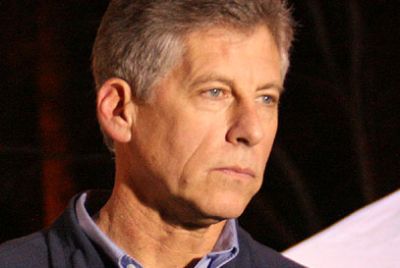
Mark Fuhrman, Disgraced Detective Central to O.J. Simpson Trial, Dies at 74
The former LAPD detective's life journey from the 'Trial of the Century' to a quieter life in Idaho.
BOISE, Idaho — Mark Fuhrman, the former Los Angeles police detective whose discovery of a bloody glove made him a star witness for the prosecution in the O.J. Simpson murder trial before his credibility collapsed under revelations of racist language and perjury, died May 12 in Kootenai County, Idaho. He was 74.
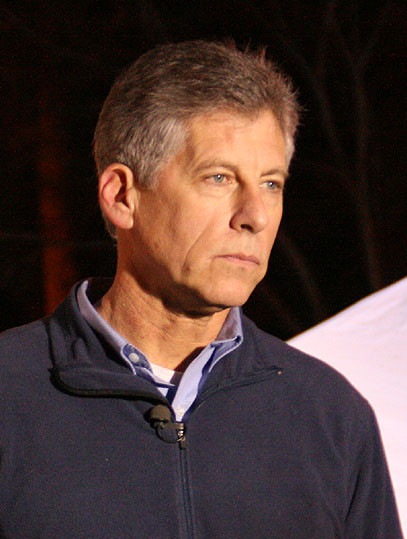
The Kootenai County coroner's office confirmed the death. Fuhrman succumbed to an aggressive form of throat cancer after halting treatment, according to multiple reports. His passing, announced publicly on May 18, closes a chapter on one of the most polarizing figures in modern American legal history.
Fuhrman was one of the first detectives dispatched to the brutal 1994 double murder scene of Nicole Brown Simpson and Ronald Goldman outside Brown's Brentwood condominium. He found a bloody glove at the crime scene and later discovered its apparent match at Simpson's Rockingham estate — evidence that became a cornerstone of the prosecution's case.
But during the 1995 "Trial of the Century," defense attorney F. Lee Bailey exposed Fuhrman's history of using racial slurs. Audio tapes recorded by aspiring screenwriter Laura Hart McKinny captured Fuhrman using the N-word more than 40 times and boasting about planting evidence and brutality against suspects. Fuhrman denied the language on the stand, leading to a perjury conviction after Simpson's acquittal.
The scandal transformed Fuhrman from a veteran homicide investigator into a symbol of alleged LAPD racism for millions watching the televised proceedings. His decision to invoke the Fifth Amendment when asked if he had planted evidence further damaged the prosecution's case. Legal analysts widely credit Fuhrman's discrediting as a pivotal moment that helped Simpson's "Dream Team" secure the not-guilty verdict.
Born Feb. 5, 1952, in Eatonville, Washington, Fuhrman joined the LAPD in 1975 after serving in the U.S. Marine Corps. He rose through the ranks as a decorated detective known for his work on high-profile cases before the Simpson murders thrust him into the national spotlight.
After the trial, Fuhrman moved to Idaho, where he lived a quieter life while reinventing himself as an author and commentator. He wrote several books, including "Murder in Brentwood," in which he defended his investigative work and criticized the LAPD's handling of the case. Another book, "Murder in Greenwich," examined the Martha Moxley murder and helped lead to the conviction of Michael Skakel.
Fuhrman later became a Fox News contributor and true-crime analyst, offering commentary on criminal cases. Supporters viewed him as a scapegoat who exposed deeper issues within the LAPD, while critics saw him as emblematic of systemic problems that undermined public trust in law enforcement.
Reactions to his death reflected the enduring divisions from the Simpson era. Some praised his investigative skills and later contributions to cold cases, while others remembered the racist tapes and their impact on the trial. Legal commentator Jeffrey Toobin, who covered the case extensively, noted that Fuhrman "is really the reason the O.J. Simpson case was more than just a soap opera."
Fuhrman's perjury plea in 1996 resulted in three years' probation and a $200 fine. He was fired from the LAPD but avoided prison time. The episode contributed to broader reforms within the department and heightened national conversations about race, policing and the criminal justice system.
In later years, Fuhrman maintained that the evidence against Simpson was overwhelming despite the verdict. He continued writing and speaking about criminal investigations, often positioning himself as a defender of thorough police work against what he saw as media and legal manipulation.
Colleagues and those who knew him described a complex man: a dedicated detective whose personal flaws and recorded comments overshadowed decades of service. His move to Idaho represented an attempt at a fresh start away from the intense scrutiny that followed the Simpson acquittal.
The Simpson trial remains one of the most watched and analyzed events in television history. Fuhrman's role, for better or worse, became inseparable from its legacy. His death at 74 arrives more than three decades after the murders that defined his public life and more than a year after O.J. Simpson's own passing in 2024.
Fuhrman is survived by family members, though details were not immediately released. No public funeral arrangements have been announced. His journey from respected detective to convicted perjurer to author and commentator encapsulated the turbulent intersection of race, celebrity and justice in late 20th-century America.
As news of his death spread, social media and cable news revisited the infamous trial clips, the glove demonstration and the tapes that upended the case. For many, Fuhrman's name still evokes strong opinions — a reminder of how one witness's credibility can sway the outcome of the most high-profile trial in a generation.
In the end, Mark Fuhrman's story transcended the Simpson case. It highlighted the human imperfections within institutions tasked with delivering justice and the lasting power of a single trial to shape public perception for decades.
© Copyright 2026 IBTimes AU. All rights reserved.
- Recommended For You