Lebron James Trade Rumors: Lakers Prioritize Austin Reaves Long-Term Deal Over LeBron Return in 2026 Offseason
Los Angeles Lakers shift focus to younger talent, prioritising Austin Reaves over LeBron James due to salary cap constraints.

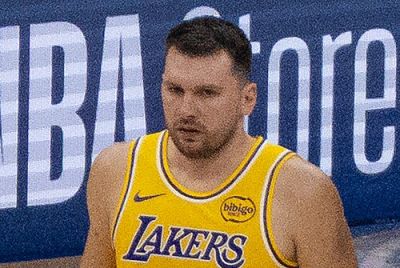
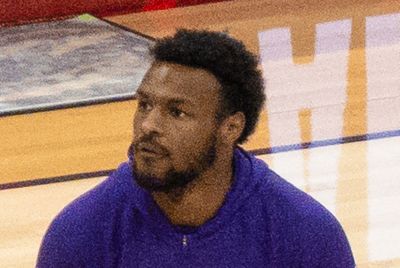
LOS ANGELES — The Los Angeles Lakers are expected to make re-signing guard Austin Reaves a higher priority than retaining LeBron James this summer, according to team insiders, as the franchise shifts focus toward building around younger talent and new cornerstone Luka Doncic amid significant salary cap constraints.
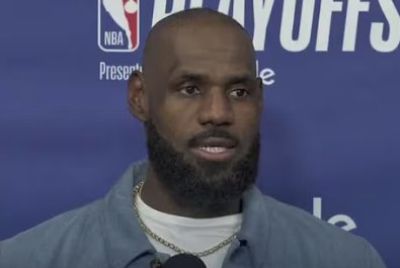
Reaves, who just turned 28, is projected to command contracts worth approximately $40 million annually after opting out of his current deal. In contrast, James, who will turn 42 in December, is viewed as a short-term solution despite his desire to remain with the organization where he has spent the majority of his later career.
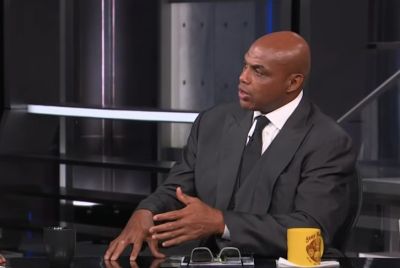
Jovan Buha, a Lakers beat writer, addressed the situation on his "Buha's Block" podcast, stating there are clear differences in how the front office views the two players.
"There are two big differences between LeBron and Austin right now. One, LeBron is a short-term solution. Austin is viewed by the franchise as a long-term cornerstone," Buha said.
The Lakers could have as much as $50 million in salary cap space this offseason, but retaining both stars on maximum-level contracts presents mathematical challenges. Front office officials, including General Manager Rob Pelinka, have publicly expressed a desire for James to finish his career in Los Angeles, yet internal priorities appear to favor Reaves' extended future with the team.
Reaves Emerges as Rising Cornerstone
Reaves has developed into one of the league's most reliable two-way guards. In the most recent season, he averaged 23.3 points and 5.5 assists per game while showcasing improved scoring efficiency and defensive versatility. His growth trajectory positions him as a foundational piece for the Lakers' contention window alongside Luka Doncic, who has become the team's new focal point following his acquisition.
Team officials see Reaves as a player who can contribute at a high level for the next five to seven years. His ability to create off the dribble, shoot from distance and defend multiple positions makes him a perfect complement to Doncic's playmaking.
The financial commitment to Reaves would likely involve a four- or five-year deal near the maximum, locking in a key rotation player through his prime years. This stands in contrast to James, whose age and shorter projected remaining career make a similar long-term investment less appealing from a roster-building perspective.
James Faces Different Market Dynamics
While James remains one of the most accomplished players in NBA history, his leverage in free agency differs significantly from Reaves. Most teams with cap space that could pursue James are unlikely to offer more than the veteran minimum or non-taxpayer mid-level exception, limiting his ability to create bidding wars.
Buha highlighted this leverage gap.
"Austin can go get a monster contract offer from Chicago or a monster contract offer from Brooklyn and put pressure on the Lakers," he explained. "LeBron is not gonna have the same leverage."
James has previously indicated his preference to stay with the Lakers, but the team must balance his potential one- or two-year return against longer-term roster flexibility. At 41 years old, James is coming off another productive season but faces the natural decline associated with playing into his 40s.
Strategic Shift Toward Youth and Sustainability
The Lakers' approach reflects a broader organizational evolution. With Luka Doncic now anchoring the franchise, Los Angeles is prioritizing players who align with a sustained contention model rather than short-term veteran additions. Reaves fits this vision as a versatile guard who can grow alongside Doncic for years to come.
Pelinka has emphasized building a championship-caliber roster with both experience and youth. However, the reality of NBA salary cap rules and luxury tax implications forces difficult decisions when high-profile free agents become available.
Fans remain divided on the situation. Many supporters of James argue he deserves the opportunity to close his career on his terms with the Lakers. Others believe the franchise must look forward, especially with emerging talent and new stars like Doncic requiring proper supporting casts.
Contract and Cap Implications
Reaves opting out of his current contract sets up a significant payday. Projections suggest he could secure deals in the range of $35-40 million annually. Retaining him at that level would consume a substantial portion of the Lakers' available cap space, potentially limiting their ability to offer James a competitive short-term maximum deal.
The team could pursue creative solutions, such as offering James a shorter contract with player options or exploring sign-and-trade scenarios. However, sources indicate internal discussions lean toward securing Reaves first before addressing James' future.
James' representatives have not publicly commented on the reported prioritization, and the player himself has maintained focus on basketball matters. His history of loyalty to the Lakers suggests he would prefer to remain in Los Angeles, but financial and roster realities may force compromises.
Broader Lakers Offseason Outlook
Beyond Reaves and James, the Lakers have several other free agents to consider. The front office must balance veteran experience with the need for athleticism and defensive improvement around their core stars.
The acquisition of Luka Doncic has raised expectations significantly. Building a championship team around him requires smart allocation of resources, with many analysts suggesting that prioritizing long-term assets like Reaves represents the correct strategic direction.
As free agency approaches, the Lakers' decisions will have ripple effects across the Western Conference. Retaining Reaves could solidify their backcourt for the next half-decade, while navigating James' situation with care will be essential for maintaining organizational harmony.
The coming weeks will provide clarity on the Lakers' priorities. While both Reaves and James represent significant pieces of the franchise's recent history, the shift toward youth and sustainability appears to be guiding current planning.
For a team with championship aspirations, these difficult choices define the difference between short-term success and long-term contention. The Lakers' emphasis on Reaves signals their belief in his potential as a cornerstone player moving forward.
As the offseason unfolds, all eyes remain on how Los Angeles balances nostalgia for one of the game's greatest players with the practical demands of building a roster capable of competing at the highest level for years to come.
© Copyright 2026 IBTimes AU. All rights reserved.
- Recommended For You