Hundreds of Indonesians Named After Naruto, Doraemon and Other Japanese Anime Characters
Japanese Anime Influence Evident in Indonesian Naming Trends
JAKARTA — Official population records in Indonesia show that hundreds of citizens carry names drawn directly from popular Japanese manga and anime characters, underscoring the deep cultural reach of Japan's animation industry in the world's fourth-most populous nation.
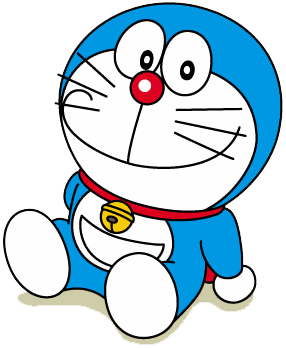
Data released by Indonesia's Directorate General of Population and Civil Registration revealed that 347 people are registered with the names Uzumaki or Naruto, taken from the protagonist of the long-running ninja series "Naruto." Another 181 share the name Nobita, the schoolboy companion of the robotic cat Doraemon. Sixteen people are formally named Doraemon itself. Seventy-nine others are listed as D. Luffy, after the rubber-powered pirate captain of "One Piece."
Additional anime-inspired names appear in smaller numbers. Records include 158 people named Sasuke, 152 named Uchiha, 65 named Shinchan, 60 named Boruto, 37 named Usopp, 23 named Inuyasha and eight named Suneo. An Indonesian official responsible for the resident registry highlighted the figures on social media, noting that Japanese pop culture has influenced the naming of Indonesian citizens.
The statistics come from civil registration data covering the first half of 2026. They illustrate how globally popular Japanese series have moved beyond television screens and comic pages into official identity documents. "Naruto," "Doraemon" and "One Piece" have enjoyed decades of strong viewership and readership across Southeast Asia, where dubbed and subtitled versions circulate widely on television, streaming platforms and local video shops.
Naming practices in Indonesia have long reflected a mix of traditional, religious and contemporary influences. Many families draw on Arabic, Javanese, Sundanese or other regional linguistic roots. In recent decades, Western pop culture, celebrity names and international brands have also entered the mix. Local reporting indicates that younger parents often place less emphasis on strictly traditional names when choosing what to put on a birth certificate.
The presence of anime names does not appear to be treated as a novelty or error by the registration authorities. Instead, officials have presented the numbers as a straightforward reflection of cultural preference. One senior population official was quoted emphasizing that the figures were based on actual population data and that the phenomenon was genuine.
Japan's soft-power presence in Indonesia extends well beyond character names. Anime conventions, cosplay events, merchandise stores and themed cafes are common in major cities. Japanese language study remains popular among students, and cultural exchange programs between the two countries continue to expand. Indonesia is also a significant market for Japanese consumer goods, tourism and entertainment exports.
The specific numbers released this month provide a rare quantitative glimpse into how far that cultural influence has penetrated everyday life. While 347 people named Uzumaki or Naruto represent only a tiny fraction of Indonesia's population of more than 280 million, the concentration of multiple related names from the same franchise suggests deliberate choice rather than coincidence. The same pattern holds for the cluster of Doraemon-related names and the smaller groups drawn from "One Piece," "Crayon Shin-chan" and other series.
Civil registration systems in Indonesia record full legal names for purposes of identity cards, family cards and other official documents. Once entered, those names appear on passports, school records and government correspondence. For the individuals concerned, an anime-derived name becomes a permanent part of public identity, sometimes requiring explanation in formal or professional settings.
Observers of naming trends note that such choices often reflect the era in which a child was born. Parents who grew up watching "Naruto" or "Doraemon" in the 1990s and 2000s may have been more inclined to select those names for children born in subsequent decades. Newer series continue to generate fresh candidates for the next generation of birth certificates.
The data also include a scattering of non-anime foreign names drawn from Western music and celebrity culture, indicating that the openness to external influences is not limited to Japanese media. Still, the volume of anime-related entries stands out because of the consistency across multiple characters from the same works.
Japanese officials and cultural organizations have long promoted manga and anime as vehicles of international goodwill. The Indonesian figures offer concrete evidence that the strategy has left a measurable imprint on personal identity. At the same time, Indonesian society continues to balance global cultural imports with its own diverse linguistic and religious traditions.
No official policy appears to restrict or encourage anime-derived names. Registration authorities simply record the names parents choose, provided they meet basic administrative requirements. The recent social-media post by the registry official treated the phenomenon as an interesting statistical observation rather than a matter requiring intervention.
For the people who carry these names, daily life proceeds much as it does for anyone else. Some may embrace the association with popular characters; others may prefer to downplay it. The civil records themselves remain neutral, listing Doraemon, Nobita, Uzumaki, Naruto and Luffy alongside more conventional Indonesian names without distinction.
The revelation arrives at a moment when Japanese popular culture continues to expand its global footprint through streaming platforms, international film adaptations and merchandise. In Indonesia, that footprint is now visible not only in viewing habits and consumer purchases but also in the official population database.
As naming fashions evolve, future registry updates may show whether newer anime titles generate similar clusters of names or whether the current wave of Naruto-, Doraemon- and One Piece-inspired identities remains a distinctive product of a particular cultural moment. For now, the numbers confirm that hundreds of Indonesians legally share their names with some of Japan's best-known fictional heroes.
© Copyright 2026 IBTimes AU. All rights reserved.
- Recommended For You