Home Depot Shares Surge Over 5 Percent as Retailer Strengthens Position in Housing Market Recovery
Home Depot's strategic positioning and market adaptability drive stock gains
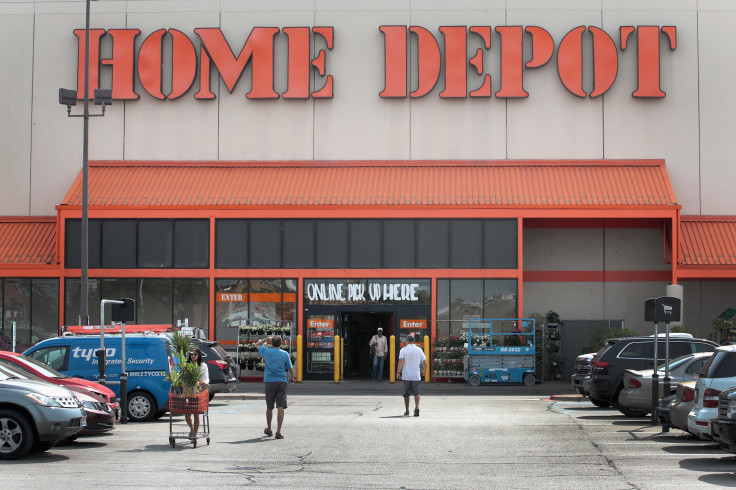
NEW YORK — Home Depot Inc. shares climbed sharply on Wednesday, rising more than 5 percent to around $342.49 as investors responded positively to the home improvement giant's resilience amid shifting economic conditions.
The stock's notable gain reflected broader optimism around consumer spending in the housing sector and the company's strategic positioning for potential market recovery. Home Depot, a bellwether for both consumer confidence and the housing industry, has navigated challenges including elevated interest rates that previously dampened big-ticket purchases.
The retailer's performance underscores its ability to adapt through diversified offerings, supply chain efficiencies and targeted investments in e-commerce and professional contractor services. As mortgage rates show signs of stabilization, analysts anticipate improved demand for home improvement projects.
Home Depot has consistently demonstrated strength in core categories such as building materials, appliances and seasonal products. Its vast store network and online platform provide customers with comprehensive solutions for renovations, repairs and new construction support.
Financial Performance and Strategy
The company has reported steady revenue despite macroeconomic headwinds. Comparable sales metrics have reflected a cautious consumer environment, but professional customer segments have offered relative stability.
Leadership continues emphasizing operational excellence, inventory management and customer experience enhancements. Investments in technology, including improved digital tools for contractors and DIY enthusiasts, aim to capture shifting shopping behaviors.
Home Depot's balance sheet strength supports ongoing share repurchases, dividend growth and strategic capital expenditures. The retailer maintains a disciplined approach to expansion while returning capital to shareholders.
Analysts have highlighted the company's market share leadership and competitive advantages in a fragmented home improvement landscape. Pricing strategies and supplier relationships help navigate inflationary pressures on key commodities.
Housing Market Context
The U.S. housing sector has faced affordability challenges due to higher borrowing costs and limited inventory in recent years. However, improving job markets and potential rate easing could unlock pent-up demand for repairs, upgrades and new home-related spending.
Existing homeowners represent a significant opportunity as many delay selling or moving. This dynamic benefits retailers like Home Depot, which cater to maintenance and improvement needs regardless of transaction volumes.
New construction activity, while variable, provides additional tailwinds through partnerships with builders and suppliers. Home Depot's professional business segment has grown in importance as contractors rely on reliable, efficient sourcing.
Seasonal factors also influence performance, with spring and summer typically driving higher sales in outdoor living, gardening and project materials. The company optimizes merchandising and promotions to capitalize on these periods.
Competitive Landscape
Home Depot competes with Lowe's and specialized retailers while facing pressure from online pure-plays and big-box general merchandisers. Its scale, assortment depth and omnichannel capabilities provide differentiation.
Recent initiatives focus on enhancing in-store experiences, faster fulfillment and personalized recommendations. Loyalty programs and credit offerings further strengthen customer relationships and repeat business.
Supply chain investments have improved product availability and reduced costs over time. These efficiencies contribute to margin stability even as product mix evolves with market trends.
Investment Outlook
For long-term investors, Home Depot offers exposure to essential consumer spending and housing-related cycles. The company's dividend yield and history of consistent payouts appeal to income-oriented portfolios.
Valuation metrics reflect expectations for recovery and growth as economic conditions normalize. While sensitive to housing indicators, the retailer's essential nature provides defensive characteristics during downturns.
Risks include prolonged high interest rates, material cost volatility and labor market shifts affecting contractor activity. Execution on digital transformation and cost management will influence future results.
The stock's recent movement suggests renewed confidence in the company's fundamentals and sector prospects. Market participants will monitor upcoming earnings for further insight into consumer trends and guidance.
Broader Retail Environment
Retail spending patterns have shown resilience supported by employment gains, though discretionary categories face selectivity. Home improvement remains a priority for many households focused on property value and livability.
Home Depot's role as an economic indicator extends beyond its financial reports. Foot traffic, basket sizes and category performance offer glimpses into homeowner confidence and spending capacity.
Sustainability initiatives and product sourcing practices increasingly influence consumer preferences. The company continues adapting to demands for eco-friendly options and responsible supply chains.
As the year progresses, attention will center on interest rate trajectories, housing inventory levels and consumer sentiment. Home Depot appears well-prepared to capitalize on any upswing while maintaining discipline in challenging periods.
The retailer's long track record of adaptation through economic cycles reinforces its position as a core holding for many portfolios. Continued innovation and customer focus should support sustained relevance in evolving markets.
© Copyright 2026 IBTimes AU. All rights reserved.
- Recommended For You