David Letterman Slams CBS Late Show Replacement: 'They Don't Wanna Spend Any Money' on Byron Allen
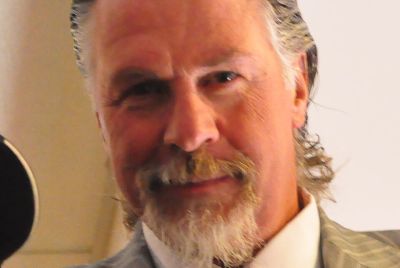
NEW YORK — David Letterman, the longtime face of CBS's late-night television, has sharply criticized the network's decision to end "The Late Show with Stephen Colbert" after more than three decades of the franchise and hand the coveted 11:35 p.m. time slot to syndicated programming from media mogul Byron Allen.

In a candid conversation on his Netflix podcast released Friday, the 79-year-old comedy icon described the move as a clear cost-cutting measure rather than a creative choice. "They don't want to spend any money, so they're going to make money," Letterman said while speaking with former "Late Show" executive producers Barbara Gaines and Mary Barclay.
CBS announced earlier this month that Colbert's final episode will air May 21. Starting May 22, the network will air back-to-back half-hour episodes of Allen's "Comics Unleashed" in the former "Late Show" slot, followed by Allen's game show "Funny You Should Ask" at 12:35 a.m. The arrangement is a time-buy deal for the 2026-27 television season under which Allen Media Group pays CBS for the airtime and sells all the advertising itself.
Letterman, who hosted "Late Night with David Letterman" on NBC from 1982 to 1993 before moving to CBS to launch "The Late Show" in 1993 and retiring in 2015, suggested the shift marks the end of an era for big-budget, network-produced late-night talk shows. He characterized Allen's panel-style format positively but bluntly tied the decision to finances. "They charge Byron Allen some reasonable price. He sells all the advertising for his 'Comics Unleashed,' and it'll be, I think, 90 minutes or two hours of comics talking about funny stuff," Letterman said. "The show is a pretty good idea. It's all panel. Nobody's doing any stand-up, except they're seated doing stand-up."
The comments come as the traditional late-night model faces mounting economic pressures. Ratings for "The Late Show with Stephen Colbert" have declined in recent years amid broader industry challenges, including audience fragmentation across streaming platforms and competition from YouTube, podcasts and cable news. Colbert's program, known for its sharp political satire, often targeted former President Donald Trump and other conservative figures, drawing both praise and criticism depending on the viewer's perspective.
CBS, now under Paramount Skydance ownership, has described the change as a way to turn a financially challenged late-night hour into a profitable one without the high production costs associated with a full-scale talk show featuring a house band, celebrity guests, writers' rooms and extensive staff. Industry insiders say the time-buy model allows the network to collect revenue while offloading creative and operational responsibilities to Allen Media Group.
Byron Allen, a comedian, producer and billionaire businessman who built Allen Media Group into a major independent syndication force, has long aired "Comics Unleashed" in later time slots. The show features Allen moderating a panel of comedians riffing on topics in a roundtable format. Allen has called the upgrade to the 11:35 p.m. slot a career milestone, joking in recent interviews that after decades in the business he is ready for the spotlight. Reports indicate he is paying tens of millions of dollars for the lease, betting that strong ad sales and broader distribution will make the venture lucrative.
The transition ends a 33-year run for "The Late Show" brand on CBS. Letterman's version defined the franchise with its quirky humor, innovative segments and memorable interviews. Colbert, who took over in 2015 after a successful run on Comedy Central's "The Colbert Report," brought a more politically charged voice that resonated during the Trump era but faced declining viewership in recent seasons.
Some television observers view the move as part of a larger industry reckoning. As streaming services and digital platforms siphon younger audiences, traditional broadcast networks are rethinking expensive original programming in fringe hours. Similar cost-conscious experiments have appeared at other networks, though none have fully abandoned the late-night talk format yet.
Letterman's remarks carry extra weight given his deep history with CBS. He expressed disappointment that the network appeared unwilling to invest in developing a new high-profile host or sustaining the established brand. His podcast comments quickly spread across social media, with fans and industry figures debating whether the change signals the death of traditional late night or simply an evolution toward more sustainable models.
Allen, who began his career as a stand-up and later became one of the most successful Black media executives in Hollywood, brings a different energy. His programming emphasizes accessible comedy without heavy political commentary, potentially appealing to a broader, less polarized audience. Supporters argue the format could attract advertisers wary of controversy, while critics lament the loss of a platform for cultural and political satire that "The Late Show" provided under Colbert.
CBS has not publicly responded to Letterman's comments. A network spokesperson previously described the Allen deal as a strategic step to ensure profitability in late night while maintaining comedy programming. The network will continue airing local news lead-ins, preserving the traditional flow into the 11:35 p.m. hour.
For viewers, the change means a shift from monologues, celebrity interviews and musical performances to a steady diet of panel comedy and game-show laughs. Whether the new lineup can retain the audience that tuned in for Colbert remains to be seen. Early social media reactions have been mixed, with some praising the lighter tone and others expressing nostalgia for the "Late Show" era.
Letterman, who has largely stayed out of the spotlight since retiring and focusing on his Netflix series "My Next Guest Needs No Introduction," used the podcast moment to reflect on the business realities of television. At 79, he continues to offer unfiltered opinions shaped by decades at the top of the industry.
The final weeks of "The Late Show with Stephen Colbert" are expected to feature emotional farewells, high-profile guests and retrospectives. Colbert has not yet detailed his post-CBS plans, though speculation includes potential streaming projects or a return to more flexible formats.
As the calendar turns to May 22, CBS affiliates will debut the new comedy block. Byron Allen's "Comics Unleashed" will lead, followed by "Funny You Should Ask." The arrangement covers at least the 2026-27 season, with options for renewal depending on performance.
Letterman's blunt assessment has reignited conversations about the future of broadcast television. In an era of cord-cutting and digital disruption, networks face difficult choices between prestige programming and bottom-line stability. His words — "They don't wanna spend any money" — have become a succinct summary of the tension playing out behind the scenes at CBS and across the industry.
For a franchise that once defined late-night comedy, the transition to a syndicated time-buy represents a stark departure. Whether Allen's panel format can capture lightning in a bottle or simply fill the hour profitably will determine if this experiment becomes a template for other networks or a cautionary tale.
In the meantime, fans of traditional late-night talk shows may find themselves flipping channels or turning to streaming replays of Letterman and Colbert classics. The desert of 11:35 p.m. is about to look very different, and the man who once ruled it has made clear he is not impressed with the new tenant.
© Copyright 2026 IBTimes AU. All rights reserved.
- Recommended For You