10 Reasons Big Companies Are Leaving New York in 2026: High Taxes, Regulations Drive Exodus
Major corporations and financial firms continued shifting operations and talent out of New York City in early 2026, with low-tax states like Florida and Texas emerging as prime destinations amid concerns over taxes, regulations and quality of life.

New York City lost nearly 5,000 businesses in the past year, according to reports from the city's Economic Development Corporation and other analyses. While some relocations involve full headquarters moves, many involve significant expansions or talent shifts southward. Financial services firms, hedge funds and asset managers lead the trend, often described as the "Wall Street South" migration.
Here are 10 key reasons driving the departures, based on corporate statements, economic reports and expert analysis as of April 2026.
- High Corporate and Personal Taxes New York imposes some of the nation's highest combined state and city taxes. Top earners and corporations face marginal rates exceeding 10-14% in the city, compared with zero state income tax in Florida and Texas. Executives cite the ability to reduce tax burdens dramatically — sometimes by more than 15 percentage points — as a primary motivator. Recent proposals under Mayor Zohran Mamdani to raise taxes on high earners and corporations have accelerated planning for moves.
- Onerous Regulations and Business Climate Companies complain of heavy bureaucracy, rent regulations, expanded city services and frequent policy shifts that increase compliance costs. New York ranks poorly in business-friendliness indexes. In contrast, Texas and Florida offer streamlined permitting, fewer labor mandates and pro-growth policies that appeal to executives seeking predictability.
- Skyrocketing Operating and Real Estate Costs Commercial rents in Manhattan remain among the world's highest, even after some post-pandemic softening. Combined with elevated utility, insurance and labor costs, the expense of maintaining large New York footprints has prompted firms to consolidate or shift non-essential functions. Relocating to Sun Belt cities can yield annual savings in the millions, according to relocation consultants.
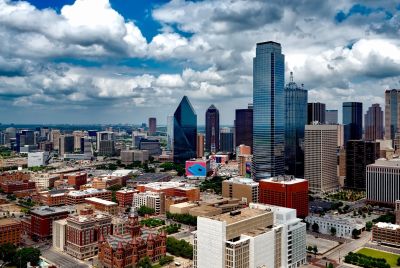
- Talent and Workforce Migration Remote work normalized during the pandemic, allowing employees to live anywhere. Many high-earning professionals have already relocated to lower-cost, lower-tax states. Companies follow talent to retain staff and attract new hires. JPMorgan Chase now employs more people in Texas than in New York, while Goldman Sachs is building a major Dallas campus expected to house thousands.
- Quality of Life and Safety Concerns Persistent issues with crime, homelessness and urban disorder in parts of the city have eroded appeal for both executives and employees. Families and workers cite better schools, lower density and improved public safety in destination states. Post-election rhetoric around progressive policies has heightened perceptions of instability.
- Aggressive Incentives from Competing States Florida and Texas actively court New York firms with tax breaks, infrastructure support and marketing campaigns. Palm Beach County and Dallas-Fort Worth have positioned themselves as "Wall Street South," offering tailored packages. Dozens of New York companies filed to expand or relocate to Florida shortly after the 2025 mayoral election.
- Remote and Hybrid Work Flexibility The post-COVID shift reduced the necessity of full-time Manhattan presence. Firms can maintain client-facing offices in New York while moving back-office, technology and support functions to lower-cost locations. This hybrid model preserves some New York ties while cutting overhead.
- Political and Policy Uncertainty Mayor Mamdani's pledges to increase taxes on corporations and the wealthy, along with broader progressive agendas in Albany and City Hall, have created unease. Business leaders describe an "anti-business" environment that contrasts with the stability offered in Republican-led states. Hedge funds and asset managers like Apollo Global Management have scouted second headquarters in the Sun Belt.
- Talent Pool Growth in Sun Belt Cities Texas and Florida have built robust ecosystems for finance, technology and professional services. Dallas has surpassed New York in some financial job postings. Companies report easier recruitment and retention in these growing markets, where younger professionals prefer lifestyle advantages and affordability.
- Long-Term Strategic Diversification Firms seek to reduce geographic risk by spreading operations. Maintaining a New York presence for prestige and client access while building significant hubs elsewhere protects against local shocks. Examples include Elliott Management, Citadel, AllianceBernstein and others that have shifted substantial assets and personnel southward, moving trillions in managed funds over time.
Notable moves and expansions underscore the trend. Goldman Sachs plans a major Dallas campus opening in 2028. JPMorgan Chase has grown its Texas workforce dramatically. Wells Fargo opened a Dallas campus and shifted wealth management functions toward Florida. Apollo Global Management explored second headquarters options in Texas or South Florida in early 2026.
Economic analyses show New York lost hundreds of companies and billions in taxable income between 2020 and 2024, with the pace continuing into 2026. IRS migration data and reports from the Partnership for New York City highlight the shift, with Florida receiving the largest share of relocating firms.
City and state officials have pushed back, pointing to investments like American Express's new World Trade Center headquarters and ongoing financial sector strength. Yet business groups warn that proposed tax hikes could worsen the exodus, reducing the tax base and straining budgets for services.
The departures affect high-paying jobs in finance, which have historically anchored New York's economy. While the city retains a massive concentration of Wall Street activity, the gradual hollowing out of corporate headquarters and back-office functions raises long-term concerns about revenue and vitality.
Experts note the trend is not unique to New York — high-tax coastal cities face similar pressures — but the scale in the nation's largest city draws particular attention. Remote work, post-pandemic lifestyle shifts and stark policy differences between blue and red states have amplified the movement.
For companies still in New York, decisions often involve partial relocations rather than complete exits, preserving brand presence while cutting costs. Smaller firms and startups also cite barriers to growth, contributing to the net loss of thousands of businesses.
As the trend continues, destination cities celebrate job gains and investment. Dallas Mayor Eric Johnson predicted an "avalanche" of financial firms fleeing New York policies. Florida officials report surges in inquiries and filings from New York entities.
New York leaders face a balancing act: addressing budget shortfalls without accelerating outflows. Proposals to reduce fines and fees for small businesses represent one response, but broader tax and regulatory reforms remain contentious.
The 2026 landscape reflects deeper structural changes in how and where companies operate. High taxes, regulations and quality-of-life factors have tipped the scales for many executives, prompting strategic shifts that could reshape economic power centers for years.
Whether the exodus slows depends on policy choices in New York and continued appeal of Sun Belt alternatives. For now, the data shows a clear pattern: big companies are voting with their feet, seeking environments that better align with growth and stability priorities.
© Copyright 2026 IBTimes AU. All rights reserved.
- Recommended For You