Selena Gomez Pregnancy Rumors Swirl Online After TikTok Video and AI Images
Online speculation about Selena Gomez's possible pregnancy highlights the challenges of misinformation and AI-generated content.
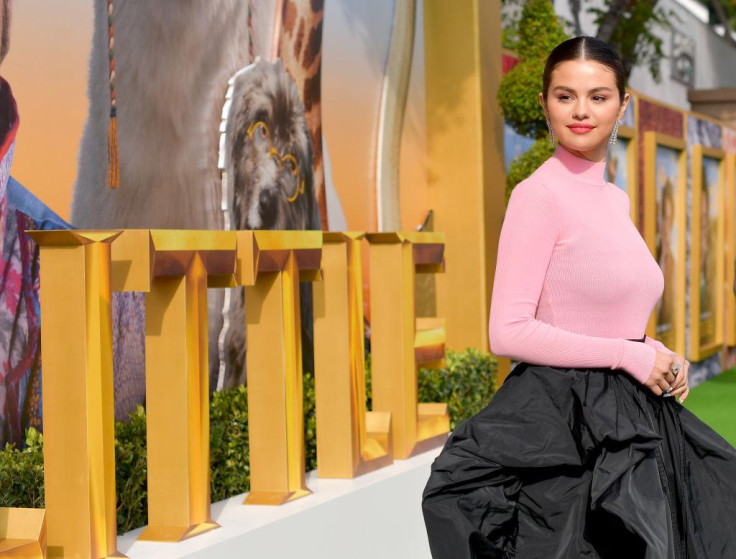
LOS ANGELES — Selena Gomez has become the subject of widespread online speculation about a possible pregnancy following a TikTok video featuring her and fiancé Benny Blanco, though neither Gomez nor Blanco has confirmed any such news and no evidence supports the claims.
The rumors gained traction after users analyzed Gomez's appearance in the video, noting her loose-fitting clothing and interpreting her body language. The discussion quickly spread across TikTok through stitched reactions and comment threads before migrating to other platforms, where AI-generated images depicting Gomez with a baby bump further fueled the frenzy.
Social media users shared and debated the content, with some posts suggesting pregnancy while others pushed back against the speculation. The rapid dissemination highlights how celebrity rumors can escalate through algorithmic amplification, often blending genuine footage with manipulated visuals.
Gomez has not addressed the latest claims publicly. The singer and actress, who has been open about her health challenges including lupus, has previously discussed how such speculation can be particularly insensitive given her medical history.
Counter-reactions emerged on TikTok as users challenged the rumors. Comments rejecting the claims circulated alongside frustration over the spread of unverified information. Some pointed out that certain images being shared appeared outdated or altered.
The episode echoes a pattern of online misinformation surrounding Gomez. Earlier conspiracy theories have falsely claimed she died after her 2017 kidney transplant and was replaced by a body double or clone, citing perceived changes in her appearance despite lacking credible evidence.
Those narratives have periodically resurfaced, sometimes incorporating additional unfounded elements like secret pregnancies. The latest rumors follow a similar trajectory, demonstrating how baseless theories can reemerge whenever Gomez trends online.
Similar speculation has targeted other celebrities, including Taylor Swift, with unrelated rumors merging into broader online conversations. Posts combining the two stars gained traction, further extending the story's reach through recommendation systems.
The speed of the rumor mill underscores challenges posed by AI-generated content and social media platforms. Manipulated images can appear authentic at first glance, complicating efforts to separate fact from fiction.
Experts note that celebrity body speculation often crosses into harmful territory, contributing to body image pressures and privacy invasions. Public figures frequently face intense scrutiny over personal matters, with clothing choices or minor physical changes becoming fodder for unfounded narratives.
Gomez has built a career spanning music, acting and business while navigating public health disclosures. Her openness about conditions like lupus and bipolar disorder has resonated with fans but also invited additional commentary on her personal life.
The current rumors emerged amid Gomez's ongoing projects and public appearances with Blanco. The couple's relationship has drawn significant media attention since going public, adding to the interest in any personal developments.
Platform policies on misinformation vary, but distinguishing between harmless speculation and harmful falsehoods remains difficult. AI tools have made creating convincing fake images more accessible, accelerating the spread of deceptive content.
Users have called for greater caution when sharing unverified claims about celebrities' private lives. The backlash on TikTok included reminders about respecting boundaries and avoiding armchair medical diagnoses.
Gomez's team has not issued a statement on the matter. In past instances of intense rumor activity, she has occasionally addressed fan concerns through social media or interviews.
The incident highlights broader issues around digital literacy and responsible online behavior. As AI capabilities advance, the line between real and fabricated content continues to blur, requiring heightened skepticism from consumers.
Celebrity culture has long grappled with rumor mills, but social media has intensified the pace and scale. What once might have remained tabloid fodder now spreads globally within hours, often before facts can catch up.
Industry observers suggest platforms could do more to label or limit AI-generated content in sensitive contexts. However, enforcement challenges persist amid free speech considerations and the volume of user-generated material.
For Gomez, the latest episode represents another instance of navigating public life under constant digital scrutiny. Her continued focus on creative work and advocacy offers a counterpoint to the speculation.
As the rumors circulate, fans and followers are encouraged to rely on verified statements from Gomez or her representatives. Absent confirmation, claims about personal milestones remain speculative.
The episode serves as a reminder of the human impact of online misinformation. Public figures, despite their visibility, deserve space for private matters free from uninvited analysis and fabrication.
Gomez's career trajectory shows resilience amid such challenges. From Disney stardom to pop success and entrepreneurial ventures, she has maintained a connection with audiences through authenticity.
The TikTok video in question captured an ordinary moment between Gomez and Blanco, yet became the catalyst for widespread conjecture. This pattern repeats across celebrity culture, where everyday appearances fuel extraordinary claims.
Moving forward, greater awareness of AI manipulation techniques may help curb similar episodes. Digital literacy initiatives emphasize verifying sources and considering context before sharing potentially harmful content.
In the absence of official word, the rumor cycle may eventually subside as new topics capture online attention. For now, it illustrates the persistent tension between public interest and personal privacy in the digital age.
© Copyright 2026 IBTimes AU. All rights reserved.
- Recommended For You