(VIDEO) Apple Watch Series 12 Release Date: Expected in September With Touch ID, Blood Pressure Monitoring
CUPERTINO, Calif. (AP) — Apple Inc. is poised to unveil the Apple Watch Series 12 in September 2026, continuing its annual refresh cycle for the world's leading smartwatch as rumors swirl around potential additions like Touch ID fingerprint authentication, refined health sensors and a new processor to bolster performance and battery life.
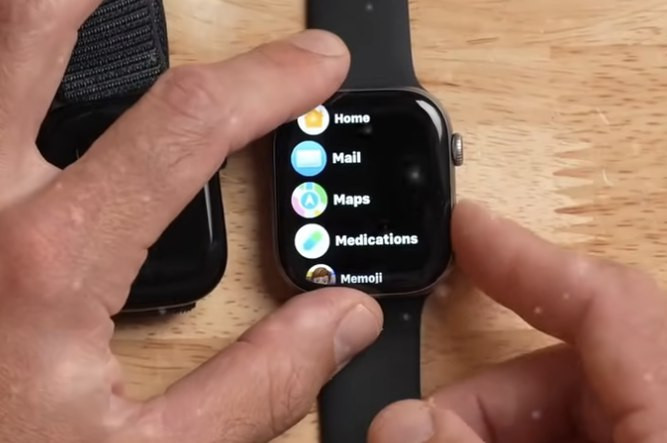
The Cupertino-based tech giant has followed a consistent pattern since launching the original Apple Watch in 2015, typically announcing new Series models alongside flagship iPhone releases during a fall event. Industry analysts and leakers widely expect the Series 12 to debut at Apple's September 2026 keynote, likely on a Tuesday in the first or second week of the month—possibly Sept. 8 or Sept. 15—following the company's tradition of holding events shortly after Labor Day.
Pre-orders would open immediately following the announcement, with devices shipping to customers about a week later, mirroring past launches. This timeline positions the Series 12 as a key part of Apple's 2026 hardware slate, potentially sharing the stage with iPhone 18 models and other wearables.
Current models remain the Apple Watch Series 11, introduced in September 2025 alongside the Apple Watch Ultra 3 and updated SE variant. The Series 11 brought refinements including enhanced health insights like hypertension notifications, improved sleep tracking, longer battery life up to 24 hours and a more durable display. Starting at around $399 for the base 42mm Wi-Fi model, it has maintained strong sales momentum into 2026.
For the Series 12, expectations center on evolutionary rather than revolutionary changes. Multiple reports indicate no major redesign is imminent, with the familiar rectangular case, rounded edges and digital crown expected to return. Leakers have suggested the 2026 model could serve as a transitional update before a potential overhaul in 2027 or later.
A standout rumor involves the return of Touch ID, the fingerprint sensor last seen on iPhones before Face ID took over. Integrating Touch ID into the digital crown or side button could simplify unlocking the device, authenticating payments via Apple Pay and granting secure access to apps without relying solely on passcodes or wrist detection. Sources point to this as a "long-desired" feature that could enhance usability, particularly for users who find frequent passcode entry cumbersome during workouts or quick glances.
Health monitoring remains a focal point. Speculation includes possible additions like noninvasive blood pressure tracking, building on existing capabilities such as heart rate monitoring, ECG, blood oxygen sensing and temperature detection. While accurate, cuffless blood pressure measurement has proven challenging for wearables due to sensor precision and regulatory hurdles, analysts see 2026 as a plausible window for initial implementation—perhaps limited or in beta form.
Other anticipated upgrades include a new S12 chip (or S11, depending on naming conventions), promising better efficiency, faster processing for on-device AI features and extended battery life. watchOS refinements could emphasize Apple Intelligence integration, deeper sleep analysis and advanced fitness metrics. Display improvements, such as higher brightness or microLED technology in future iterations, have surfaced in discussions, though major shifts appear reserved for later models.
Pricing is expected to hold steady around the Series 11's $399 entry point for the standard aluminum model, with premium titanium or cellular variants commanding higher prices. A modest $20-50 increase could materialize if significant new sensors arrive, but Apple has historically aimed to keep the flagship accessible compared to competitors.
The Apple Watch lineup's evolution reflects broader trends in wearables. Since overtaking traditional watchmakers in revenue, the device has shifted from fitness tracker to comprehensive health companion. Features like fall detection, crash detection, irregular heart rhythm notifications and emergency SOS have saved lives and solidified its medical utility. The Series 12 would likely expand this with software-driven enhancements via watchOS updates, even if hardware changes prove incremental.
Market context includes competition from Samsung, Google and Garmin, which have pushed boundaries in battery life, rugged designs and specialized sports tracking. Apple's ecosystem advantage—seamless integration with iPhones, AirPods and Mac—continues to drive loyalty, with over 267 million units sold cumulatively by recent estimates.
Rumors also touch on the broader 2026 wearable family. The Apple Watch Ultra 4 could see updates, though some reports suggest Apple might skip a full refresh if focusing resources elsewhere. A new SE model remains uncertain, with the third-generation SE (launched 2025) still current.
As anticipation builds, Apple has remained silent on specifics, per its standard practice. Leaks from supply chain sources, code references in beta software and analyst predictions form the basis of current expectations. Noninvasive blood glucose monitoring, long teased as a game-changer for diabetes management, continues to face delays and is not expected in the Series 12.
The Series 12's launch would cap a period of steady iteration following the more notable design tweaks in earlier models like the Series 10 (thinner profile) and Series 7 (larger display). With the wearable market maturing, incremental gains in accuracy, comfort and AI smarts could prove sufficient to sustain growth.
Consumers eyeing an upgrade from older models—such as Series 9 or earlier—may find the Series 12 compelling if it delivers meaningful health or security improvements. For those with recent purchases like the Series 11, the decision could hinge on specific leaked features materializing at the event.
As September 2026 approaches, all eyes will turn to Apple's fall keynote for confirmation. The event typically draws massive online viewership, with live streams revealing not just hardware but Apple's vision for connected health and daily utility.
Until then, the Series 12 remains one of the most anticipated wearables on the horizon, poised to reinforce Apple's dominance in a category it helped define.
© Copyright 2026 IBTimes AU. All rights reserved.
- MOST POPULAR IN Technology