(VIDEO) GRAND SUMO Highlights: Kirishima Claims Third Emperor's Cup at Haru Basho
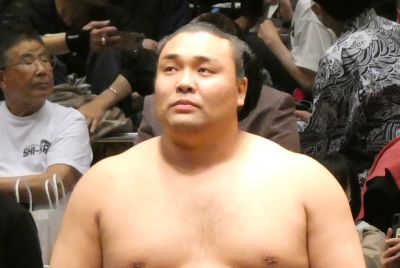
OSAKA, Japan — Sekiwake Kirishima captured his third career makuuchi championship with a 12-3 record at the 2026 Haru Basho, clinching the Emperor's Cup on Day 14 after a series of upsets cleared his path. The Mongolian-born wrestler, whose full name is Byambachuluun Lkhagvasuren, sealed the title despite falling on the final day, earning a likely promotion back to ozeki in one of the most unpredictable Grand Sumo tournaments in recent memory.

The 15-day spring basho at EDION Arena Osaka concluded on March 22 with Kirishima's victory already assured, allowing fans to focus on high-stakes final bouts among the sport's elite. Kirishima, competing from the east sekiwake position, entered the penultimate day with a commanding lead. His loss to ozeki Aonishiki on Day 14 briefly threatened momentum, but Kotozakura's upset win over yokozuna Hoshoryu in the same session mathematically locked up the yusho for the 31-year-old Kirishima.
"It was a tough tournament with many twists and turns," Kirishima said afterward, according to sumo analysts. "I'm grateful to my stable and supporters. This feels like a fresh start."
The final day itself delivered compelling action even without a title on the line. Kirishima faced ozeki Kotozakura in the musubi-no-ichiban, or decisive bout, and was pushed out by oshidashi after a spirited exchange. Kotozakura finished the basho at 10-5, showing strong form late in the meet.
In another marquee matchup, yokozuna Hoshoryu defeated ozeki Aonishiki by kakenage, a hooking inner thigh throw. Aonishiki, who entered the tournament with yokozuna promotion hopes after strong recent performances, ended with a 7-8 record — his first make-koshi (losing record) as an ozeki. The Ukrainian-born wrestler had been a favorite for elevation but struggled with consistency in Osaka.
Hoshoryu, the lone active yokozuna following Terunofuji's retirement, posted an 11-4 record. The Mongolian star showed flashes of brilliance but could not mount a serious title challenge after early setbacks, including a key loss to Kirishima on Day 12.
The tournament unfolded amid high expectations for the sanyaku ranks. Aonishiki, promoted to ozeki after back-to-back yusho in late 2025 and early 2026, carried the heaviest burden as a potential yokozuna candidate. Onosato, another rising star listed in pre-tournament rankings, sat out much of the basho with injury, finishing 0-4-11. Takayasu and other veterans provided steady competition in the upper maegashira and sanyaku slots.
Kirishima's path to glory highlighted resilience. Demoted from ozeki after a brief stint ending in 2024, he fought his way back through the ranks. His 12-3 performance marked his first title since 2023 and only his third overall, tying him with several active wrestlers for career championships. Stablemaster Otowayama praised the wrestler's renewed focus and "heavyweight" approach in training, which emphasized power and stability.
Analysts noted the basho as unusually chaotic for the top division. Multiple wrestlers hovered near the lead through the middle weeks, with maegashira like Kotoshoho mounting surprising challenges. Kirishima pulled ahead decisively with consistent wins, including a statement victory over Hoshoryu that shifted the narrative.
Special prizes reflected standout performances. Sekiwake Kirishima earned the shukun-sho for outstanding performance. Maegashira Kotoshoho and Fujiseiun received kanto-sho for fighting spirit, while Fujinokawa took the gino-sho for technique. Lower-division champions included Dewanoryu in juryo, Wakanofuji in makushita, and Nabatame in sandanme.
Watch Highlights
The Haru Basho, traditionally held in Osaka, drew packed crowds to the Prefectural Gymnasium despite variable spring weather. Sumo fans worldwide followed via NHK broadcasts and highlight reels, with "Grand Sumo Highlights" videos capturing key moments amassing hundreds of thousands of views.
Kirishima's triumph comes as sumo navigates transitions. With yokozuna ranks thin and new talents emerging from Ukraine, Mongolia and Japan, the sport's global appeal continues to grow. His return to ozeki — expected to be formalized by the Japan Sumo Association in coming days — positions him for another yokozuna run, a feat he narrowly missed in his previous ozeki tenure.
"This basho was all over the place," one commentator observed. "Kirishima stayed steady when others faltered."
Beyond the yusho race, several storylines captivated observers. Wakamotoharu struggled at komusubi, posting a poor record. Atamifuji showed promise in maegashira but fell short of playoff contention. Veterans like Mitakeumi and Nishikifuji mixed wins and losses, underscoring the physical toll of 15 daily bouts.
Techniques on display ranged from powerful yorikiri force-outs to spectacular uwatenage overarm throws. Kirishima's style — blending Mongolian wrestling roots with classical sumo fundamentals — proved effective against heavier opponents.
Looking ahead, attention shifts to the Natsu Basho in Tokyo's Ryogoku Kokugikan, scheduled for May 10-24. Kirishima will likely enter as ozeki, facing heightened expectations. Hoshoryu and Aonishiki must regroup, while rising stars eye promotions.
The March 2026 tournament reinforced sumo's unpredictability. No single favorite dominated from start to finish; instead, perseverance and timely upsets decided the Emperor's Cup. Kirishima's celebration, hoisting the trophy amid cheers in Osaka, capped a memorable basho.
As the rikishi return to their stables for recovery and training, Kirishima's story stands out: a comeback champion proving that in sumo, rank is temporary but determination endures.
© Copyright 2026 IBTimes AU. All rights reserved.
- Recommended For You