Top 5 Energy Sources Power Australia's Transition: Renewables Surpass 50% in Grid Milestone
Australia has reached a pivotal moment in its energy history, with renewable sources exceeding 50% of electricity generation in the National Electricity Market (NEM) for the first time during the December 2025 quarter, according to the Australian Energy Market Operator (AEMO). This shift underscores the country's accelerating move away from coal while oil continues to lead primary energy use.
The latest data from government reports, AEMO quarterly updates and industry analyses reveal a clear top five ranking of energy sources, distinguishing between total primary energy consumption (which includes transport, industry and heating) and electricity generation (focused on the power grid).
For total primary energy supply — the broadest measure encompassing all energy uses — fossil fuels still dominate, accounting for over 90% as of the most recent comprehensive figures from the Australian Energy Update 2025 (covering 2023-24 data with trends extending into 2025).
- Oil and oil products — Approximately 36-41% of total energy supply. Oil remains Australia's largest single energy source, powering transportation, industry and non-electric uses. In 2024 estimates from the International Energy Agency (IEA), oil products held 36.5%, while broader consumption analyses place it at 41%. It continues to lead in states like New South Wales, Victoria and Queensland.
- Natural gas — Around 25-28%. Gas ranks second in primary energy, used for heating, industrial processes and some electricity. IEA data for 2024 shows 27.6%, with government updates confirming its steady role despite recent declines in electricity generation.
- Coal (black and brown) — About 25-26%. Coal, once dominant, now third in primary energy but still vital for electricity in eastern states. Domestic production remains heavily coal-based at 63%.
- Renewables (solar, wind, hydro, bioenergy and others) — Roughly 5-10% in primary supply, though growing fast in electricity. This category includes hydro at under 1%, solar/wind/other at nearly 6%, and biofuels/waste at 3.5%.
- Other sources — Minor contributions from liquids and non-renewable wastes.
Key 2025-2026 electricity mix highlights include:
- Renewables overall reached over 50% in the December quarter 2025, with coal and gas combined falling below 50% for the first time, driving record-low quarterly emissions.
- Rooftop solar set records, averaging 4,407 megawatts and briefly hitting 61% of supply in peaks.
- Battery discharge nearly tripled year-over-year.
- Coal (primarily black coal) — Still the largest single source in 2024 at about 39.1% (black coal) plus 12.9% brown coal, totaling over 50%. However, coal's share fell sharply in 2025, dropping to record lows around 44% in some months and continuing downward as plants retire and renewables scale.
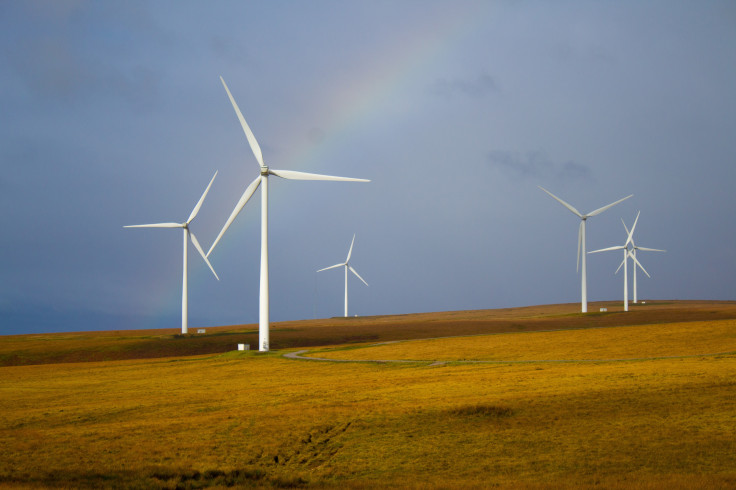
- Wind — 13.4% in 2024, the top renewable. Wind farms remain a cornerstone, with onshore additions contributing significantly.
- Solar (rooftop and utility-scale combined) — Rooftop solar at 12.4%, large/medium-scale at 7.2%, totaling around 19-20%. Solar PV overtook other sources in some rankings, with 2025 growth pushing it higher amid record installations exceeding 4 million systems.
- Gas — 7.6% in 2024, falling to historic lows in 2025 electricity output as renewables and batteries displace it.
- Hydro — 5.5%, stable from Tasmania and Snowy schemes, providing reliable baseload.
This reordering reflects Australia's aggressive push toward net-zero goals. Rooftop solar led capacity additions in 2024 with 3.2 GW, while large-scale renewables and batteries saw strong investment. By early 2026, reports indicate renewables consistently approaching or exceeding half of grid supply, especially during peak solar seasons.
Experts attribute the momentum to policy support, falling technology costs and public demand for cleaner energy. The AEMO forecasts continued renewable expansion to replace aging coal plants, with batteries and pumped hydro enabling grid stability.
Challenges persist, including transmission bottlenecks and regional variations — Tasmania nears 100% renewables, while Queensland lags at under 30%. Yet the trajectory is clear: renewables are no longer supplementary but central to Australia's power system.
As the nation grapples with rising demand from electrification and extreme weather, the 2025 milestone signals a turning point. With investment in clean energy hitting highs and coal's dominance eroding, Australia's top energy sources are increasingly defined by solar rooftops, sprawling wind farms and innovative storage rather than traditional fuels.
© Copyright 2026 IBTimes AU. All rights reserved.
- MOST POPULAR IN Science