Super Micro Computer Stock Surges 7% as AI Server Demand Fuels Rebound Despite Ongoing Legal
Super Micro Computer Inc. shares jumped more than 7% in morning trading Friday, climbing to $24.93 as investors appeared to look past recent governance and legal concerns and focused instead on the company's explosive growth in AI-optimized servers amid unrelenting demand from hyperscalers building massive data center infrastructure.

The San Jose, California-based maker of high-performance servers and storage solutions, listed on Nasdaq as SMCI, added $1.71, or 7.36%, by 11:28 a.m. EDT. The rebound followed a sharp March selloff triggered by a federal indictment involving a co-founder and two associates accused of export violations related to advanced Nvidia AI chips. The company itself was not charged, and it has cooperated with investigators while launching an independent board review.
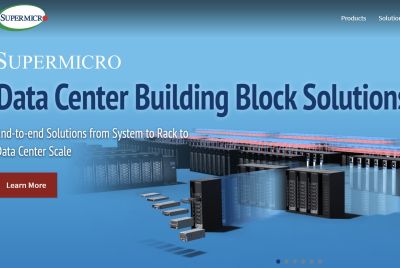
Super Micro has emerged as one of the purest plays on the artificial intelligence infrastructure boom, designing and manufacturing servers optimized for Nvidia GPUs that power large-scale AI training and inference clusters. Its liquid-cooled and rack-scale solutions help customers deploy high-density computing faster and more efficiently than traditional approaches.
Fiscal second-quarter 2026 results released in early February underscored the momentum. Net sales reached a record $12.7 billion, soaring 123% from the year-ago period and 153% sequentially. The performance was driven overwhelmingly by hyperscale AI deployments, with the OEM Appliance and Large Data Center segment — roughly 84% of revenue — surging more than 150% year-over-year to $10.7 billion.
Non-GAAP gross margin came in at 6.4%, down from prior periods due to an unfavorable product and customer mix, higher freight costs and aggressive pricing on new AI platforms. Still, the company delivered non-GAAP net income of roughly $401 million. It raised full-year fiscal 2026 revenue guidance to at least $40 billion, implying robust continued growth even as margins face pressure from scale and competition.
Management guided for fiscal third-quarter revenue of at least $12.3 billion, well above prior consensus estimates, with non-GAAP earnings per share of at least 60 cents. The strong outlook reflected sustained order momentum for Nvidia Blackwell-based systems, with the company reporting a substantial backlog including around $13 billion in confirmed orders for next-generation platforms early in the year.
On April 9, Super Micro announced its new Gold Series Enterprise Server Solutions, designed to accelerate deployment times for a wide range of compute, AI, storage and intelligent edge workloads. The ready-to-ship configurations aim to help customers bring systems online faster in an environment where time-to-deployment is critical for AI projects.
The company also continues pushing into rack-scale and full data center solutions. It has scaled internal power capacity to 63 megawatts and targets production of up to 6,000 racks per month to meet demand for complete AI factories. Partnerships with SK Telecom and Schneider Electric for modular, prefabricated AI data centers further expand its addressable market beyond individual servers.
Legal and governance issues have weighed heavily on sentiment. In March 2026, the U.S. Attorney's Office indicted co-founder Yih-Shyan "Wally" Liaw along with two others on charges related to an alleged scheme to divert $2.5 billion in advanced Nvidia AI servers to China in violation of export controls. Liaw, who resigned from the board but remains an employee on administrative leave, has pleaded not guilty. Super Micro has stated it is not a defendant and is cooperating fully.
On April 7, the company provided an update confirming that independent board directors are conducting an investigation into the matter. A securities class action lawsuit has also been filed, with a deadline for investors to seek counsel. Despite the headlines, analysts note that the core business — access to Nvidia GPU supply and execution on AI server deliveries — remains intact for now.
Analyst sentiment is mixed, reflecting the tension between extraordinary top-line growth and risks around margins, governance and potential supply disruptions. Consensus ratings lean toward Hold, with an average 12-month price target around $36 to $37, implying roughly 45-50% upside from recent levels. Targets range from lows near $22 to highs of $64, with some firms citing valuation concerns and execution risks while others highlight the company's ability to capture share in the exploding AI server market.
Gross margins have compressed significantly from earlier peaks as the business scales with high-volume, lower-margin hyperscale deals. Operating expenses remain relatively controlled as a percentage of revenue, but the heavy reliance on a few large customers — one reportedly accounting for a substantial portion of sales — adds concentration risk.
Super Micro's competitive edge lies in its speed and flexibility. It has built a reputation for rapidly integrating the latest Nvidia platforms, including liquid-cooled HGX B300 systems now ready for high-volume shipment. The shift toward rack-scale solutions, where it can capture more value in power, cooling and integration, is seen as a path to improved profitability over time.
Broader AI infrastructure spending shows no signs of slowing. Major cloud providers and tech giants continue committing tens of billions to data center expansion, driving demand for servers that can handle dense GPU clusters efficiently. Super Micro's ability to deliver complete, optimized systems gives it an advantage over slower, more traditional server makers.
Challenges remain significant. Beyond legal overhang, the company faces intense competition from Dell, HPE and others expanding their AI offerings. Supply chain constraints on advanced chips, potential changes in U.S. export policies and customer pushback on pricing could all impact results. Fiscal third-quarter earnings, expected around early May, will be closely watched for updates on margins, Blackwell ramp progress and any developments from the ongoing investigation.
The stock has been highly volatile. It soared during the initial AI enthusiasm phase but has given back substantial gains amid margin concerns, dilution fears from capital raises and the recent legal news. Friday's move came on elevated volume as shares tested short-term resistance after trading near multi-month lows.
Founded in 1993, Super Micro has transformed from a niche server provider into a key enabler of the generative AI revolution under longtime CEO Charles Liang. Its vertically integrated model — designing motherboards, chassis and full systems in-house — allows rapid innovation and customization.
As the industry moves toward more efficient liquid cooling and higher-density racks, Super Micro's engineering expertise positions it well. Yet sustaining growth while improving profitability and navigating regulatory scrutiny will test management's execution in the quarters ahead.
Investors will monitor upcoming updates on the independent investigation, gross margin trends and any commentary on Nvidia supply allocations during the next earnings call. For a company at the heart of the AI buildout, the coming months could determine whether recent volatility creates a buying opportunity or signals deeper challenges.
© Copyright 2026 IBTimes AU. All rights reserved.
- Recommended For You