

5 Biggest Premarket and Early-Session Gainers Among S&P 500 on March 26, 2026
NEW YORK — S&P 500 futures declined Thursday as investors weighed persistent uncertainty over a potential de-escalation in the Middle East conflict, with oil prices remaining elevated and weighing on broader risk sentiment.
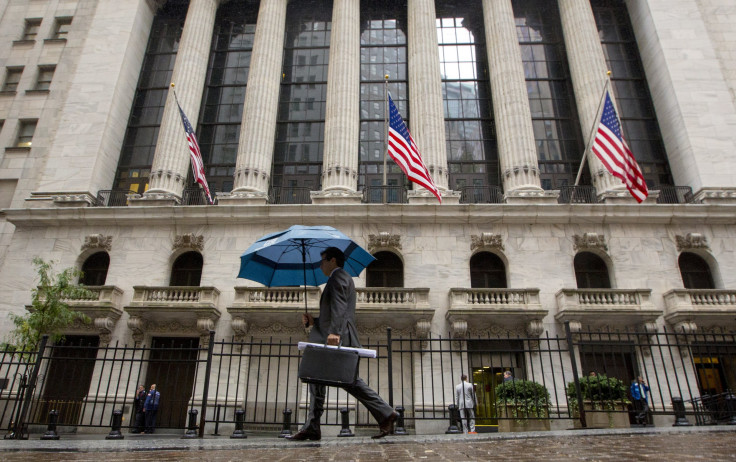
E-mini S&P 500 futures for June settlement traded around 6,587, down roughly 0.81% or about 54 points in early trading. The contract opened near 6,626.50 and swung in a range from approximately 6,581 to 6,647. Broader U.S. stock index futures pointed to a lower open for Wall Street, with Dow futures off about 0.7% and Nasdaq 100 futures down around 0.85%.
While the futures contract itself does not have individual "gainers" in the same way individual stocks do, its movement is heavily influenced by constituent stocks in the underlying S&P 500 index. Here are the five biggest premarket and early-session gainers among S&P 500 components on March 26, 2026, based on reported moves that helped shape sentiment in tech-heavy and related sectors despite the softer futures tone:
- Super Micro Computer Inc. (SMCI) — Up more than 8.19% to around $24.05. The server and AI infrastructure provider led early movers, extending recent volatility in the AI supply chain space amid ongoing demand for high-performance computing hardware.
- Hewlett Packard Enterprise Co. (HPE) — Up about 7.87% to near $25.78. The enterprise technology firm posted strong gains, benefiting from sector rotation and positive momentum in hardware names tied to data center expansion.
- EchoStar Corp. (SATS) — Advanced roughly 7.43% to approximately $119.07. The satellite communications company saw solid buying interest in a defensive session for certain technology subsectors.
- Advanced Micro Devices Inc. (AMD) — Rose 7.26% to about $220.27. The chipmaker climbed on continued enthusiasm for semiconductor names, even as broader market caution prevailed.
- Intel Corp. (INTC) — Gained around 7.08% to near $47.18. Intel rounded out the top performers with notable strength in the semiconductor space, possibly supported by bargain hunting or sector-specific developments.
Other names showing early resilience included Robinhood Markets (HOOD) and certain energy-related stocks such as Valero Energy (VLO), APA Corp. (APA) and EOG Resources (EOG), which posted modest gains of around 1% in premarket trading amid fluctuating oil prices.
Market Context and Drivers
The pullback in S&P 500 futures came after a mixed session on Wednesday, when hopes for progress in U.S.-Iran talks briefly lifted risk assets and pushed oil lower. Those gains reversed as reports indicated de-escalation efforts remained uncertain, with Iran reviewing proposals and oil prices firming above key levels. Higher energy costs raise concerns about inflation and potential delays in Federal Reserve rate cuts, pressuring growth-oriented segments of the market.
Geopolitical developments have dominated headlines in recent weeks. Optimism over possible peace talks between the Trump administration and Iran had earlier boosted stock index futures, with the E-mini S&P 500 rallying as much as 1% on some sessions when oil retreated. However, fresh signals of caution sent the contract lower Thursday, highlighting the market's sensitivity to Middle East headlines.
Semiconductor and technology hardware stocks, which feature prominently among today's gainers, have been volatile this year. Companies like AMD, Intel, Super Micro Computer and Hewlett Packard Enterprise are closely tied to artificial intelligence infrastructure spending. While AI enthusiasm has supported the broader S&P 500 at times, rotation into defensive or value names has occurred when geopolitical risks or inflation worries intensify.
Energy stocks showed mixed performance. Some oil producers and refiners gained modestly in premarket as crude held firm, but the sector faces ongoing pressure from potential supply disruptions or demand concerns tied to global growth. Airlines and travel-related names have been sensitive to fuel price swings, with occasional bargain buying when oil eases.
Broader Implications for Investors
Thursday's futures action underscores the S&P 500's exposure to both domestic economic data and international events. The index has navigated a range-bound period in March 2026, flirting with record levels earlier but pulling back amid oil volatility and uncertainty around monetary policy.
Tech-heavy constituents continue to drive much of the index's movement. Gains in names like SMCI, HPE and AMD reflect lingering optimism about long-term AI adoption, even as short-term headlines create swings. However, elevated valuations in the sector leave it vulnerable to profit-taking when risk appetite fades.
For the broader market, persistent Middle East tensions keep oil as a key variable. Brent crude prices hovering near or above $100 per barrel can feed into higher transportation and manufacturing costs, potentially complicating the Federal Reserve's efforts to balance growth and inflation. Investors are closely watching upcoming economic releases, including any fresh labor or inflation data, as well as corporate earnings that could provide more clarity on consumer and business spending.
Analysts note that S&P 500 futures often serve as a real-time barometer for equity sentiment. The current dip suggests caution, but the resilience in select tech gainers indicates that not all segments are moving in lockstep. Defensive sectors and companies with strong balance sheets or clear catalysts may continue to attract interest if volatility persists.
Market participants should also monitor volume and open interest in the futures contracts. The E-mini S&P 500 remains one of the most liquid instruments globally, allowing traders to hedge or speculate efficiently on the direction of large-cap U.S. equities.
Looking ahead, any concrete developments on the geopolitical front — whether progress toward de-escalation or renewed escalation risks — could quickly shift futures pricing. In the absence of major news, attention will turn to company-specific earnings and macroeconomic indicators that could influence expectations for interest rates.
The S&P 500's year-to-date performance has remained relatively resilient compared with more volatile periods in the past, supported by corporate earnings growth in key sectors. Still, ongoing uncertainties mean investors may favor a diversified approach, balancing exposure to high-growth technology names with more stable consumer staples, utilities or value-oriented stocks.
Data is based on premarket and early-session reports as of March 26, 2026. Futures prices and percentages can fluctuate rapidly; always verify with real-time sources such as CME Group, Yahoo Finance or your brokerage platform. This article is for informational purposes only and does not constitute investment advice. Past performance is not indicative of future results.
© Copyright 2026 IBTimes AU. All rights reserved.