SpaceX Sets May 19 Launch Date for Critical Starship Version 3 Test in Texas
Starship Version 3's first flight marks a pivotal moment for SpaceX's Mars ambitions and NASA's Artemis program.
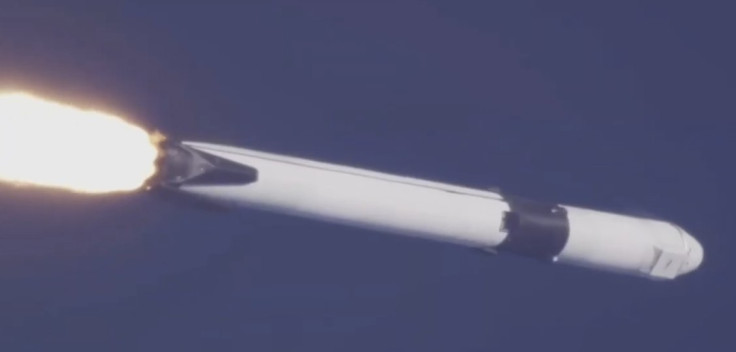
STARBASE, Texas — SpaceX has scheduled the long-delayed first flight of its next-generation Starship Version 3 vehicle for as early as Monday, May 19, 2026, marking a pivotal moment for Elon Musk's ambitious Mars colonization plans and NASA's Artemis lunar program.
The company announced the target date on May 12, with liftoff planned for 6:30 p.m. Eastern from its Starbase facility in South Texas. The three-hour launch window reflects careful planning around weather, range safety and orbital mechanics for what will be one of the most complex uncrewed test flights in SpaceX history.
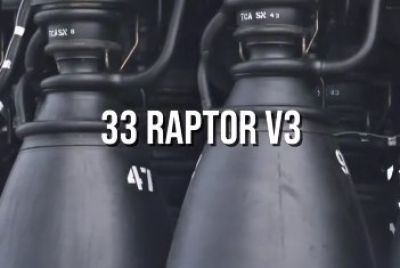
This flight represents the debut of Starship Version 3, which features significant upgrades over previous prototypes. Engineers have incorporated a new heat shield design, improved propellant management systems and enhanced structural reinforcements following lessons learned from earlier high-altitude test flights that ended in dramatic explosions. The vehicle stands nearly 400 feet tall when stacked with its Super Heavy booster, making it the most powerful rocket ever built.
SpaceX has not yet released full details of the test profile, but sources familiar with the mission indicate it will attempt a longer flight profile than previous attempts, potentially including an extended coast phase and a controlled reentry over the Pacific Ocean. Success would be measured by achieving key milestones such as stage separation, engine relight demonstrations and a soft splashdown of both the ship and booster.
The timing is critical. NASA is counting on Starship as the human landing system for Artemis III, the first crewed lunar landing since 1972. Delays in Starship development have already pushed the Artemis timeline, with the crewed landing now targeted for no earlier than 2027. A successful Version 3 flight would provide crucial data to accelerate certification for human spaceflight.
Musk has described this mission as a major step toward making Starship fully reusable and rapidly operational. "Version 3 is designed for reliability and rapid turnaround," he posted on X shortly after the announcement. "We're pushing the limits to build the future of space travel."
The announcement comes after months of regulatory hurdles. The Federal Aviation Administration has been reviewing SpaceX's license application, with environmental and safety assessments required for the increasingly complex test program. Starbase, located near Boca Chica, Texas, has seen extensive infrastructure upgrades, including new flame diverters and expanded recovery zones to support more ambitious flight profiles.
Public interest is expected to be enormous. Previous Starship tests have drawn hundreds of thousands of spectators to South Texas beaches, creating both economic opportunities and tensions with local residents concerned about noise, road closures and environmental impact. SpaceX has worked to improve community relations through outreach programs and viewing area improvements.
The stakes are high for SpaceX. While the company has achieved remarkable success with Falcon 9 reusability and Starlink deployment, Starship represents its long-term vision. A failure on this flight would not be catastrophic — SpaceX has conducted rapid iterative testing throughout the program — but repeated delays could impact NASA contracts and commercial partnerships.
NASA Administrator Bill Nelson welcomed the update. "We're excited to see Starship progress," he said in a statement. "This vehicle is essential to our goal of landing the first woman and next man on the Moon under Artemis and eventually sending astronauts to Mars."
Commercial interest in Starship is also growing. Several companies have signed letters of intent for future cargo and crew missions, including potential point-to-point Earth transport and large satellite deployments. The vehicle's massive payload capacity — up to 100 tons to low Earth orbit in fully reusable configuration — could transform the economics of space access.
For South Texas, the launch represents both pride and disruption. Cameron County has invested heavily in infrastructure around Starbase, betting on SpaceX as an economic engine. Monday's launch, if it proceeds, will bring another influx of visitors and media attention to the coastal region.
Weather will be a key factor in the coming days. South Texas in mid-May often sees afternoon thunderstorms, which could force a scrub. SpaceX maintains backup dates later in the week if needed.
The flight will be live-streamed on SpaceX channels, continuing the company's tradition of transparent testing. Previous launches have drawn record viewership, turning technical demonstrations into global spectacles.
As the countdown approaches, the aerospace community watches closely. A successful Starship Version 3 flight would represent a major milestone toward routine, affordable access to space and move humanity closer to becoming a multi-planetary species — Musk's long-stated goal.
Whether May 19 becomes a triumphant success or another learning opportunity, it marks another bold step in SpaceX's relentless drive to push the boundaries of what's possible in spaceflight. The eyes of the world will be fixed on the Texas coast as the most powerful rocket ever built prepares to light up the sky once again.
© Copyright 2026 IBTimes AU. All rights reserved.
- Recommended For You