

Korean Won Posts Biggest Monthly Gain Among G20 Currencies in July as Dollar Weakens on Eased Inflation Fears
Exploring the Factors Behind the South Korean Won's Recent Strength
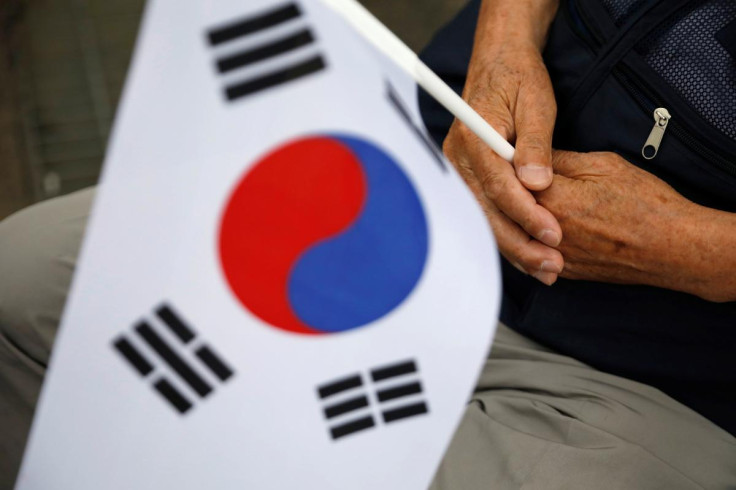
SEOUL — The South Korean won has strengthened more sharply than any other Group of 20 currency so far this month, reversing a months-long slide that had pushed it to its weakest level since the Asian financial crisis just weeks earlier.
The won's exchange rate fell 4.27% in July through the 17th, the largest monthly decline among G20 currencies and roughly 2.9 times the drop posted by the British pound, the second-best performer at negative 1.45%, according to data from the Seoul foreign exchange market. A falling exchange rate against the dollar reflects a strengthening won.
The won-dollar rate stood at 1,478.5 as of 3:30 p.m. on July 17, its lowest level in roughly two months and down 70.9 won from the end of June. That monthly decline was the sharpest since November 2022, a stretch of nearly four years.
A sharp reversal from earlier in the year
The turnaround is notable given how the won had performed just weeks earlier. In the first half of 2026, the currency's exchange rate rose 7.7%, marking the second-largest depreciation among G20 currencies behind only the Turkish lira, as the won weakened steadily through the first six months of the year.
That earlier weakness culminated in the won touching its lowest level since March 2009 on an onshore trading basis, closing at 1,555.8 per dollar on July 2. The currency slipped further below the psychologically significant 1,500-won mark on July 8, closing at 1,498.5, before staging a brief rebound to 1,506.1 the following day.
By this week, the won had recovered further, trading below 1,500 per dollar for the first time in three weeks, according to analysts cited by the Korea Times. As of Wednesday, the currency traded in a range between roughly 1,472 and 1,479 won per dollar, extending its recovery from earlier in the month.
What's driving the rebound
Several factors have contributed to the won's strength this month. Analysts point to easing concerns over U.S. monetary tightening amid slowing American inflation, which has reduced expectations for further Federal Reserve rate increases and narrowed the interest rate gap between South Korea and the United States following a rate hike by the Bank of Korea.
Slowing net selling of Korean stocks by foreign investors has also helped support the currency, alongside expectations of fresh dollar inflows tied to SK Hynix's planned American Depositary Receipt listing. Analysts have additionally cited efforts by South Korean exporters to convert foreign currency earnings and repatriate funds held overseas, which has improved dollar liquidity in domestic markets.
Min Kyung-won, an economist at Woori Bank, said the trend could continue if those dynamics persist. "If export companies' currency conversion demand grows and foreign investment funds flow in, the average exchange rate in the fourth quarter could fall to 1,430 Korean won," Min said, referring to a scenario in which the won would continue strengthening against the dollar.
Policy changes aimed at internationalizing the won
The currency's recent moves have coincided with a broader push by South Korean authorities to open up the country's foreign exchange market. The government announced plans this past weekend to further liberalize currency trading by allowing foreign financial institutions to borrow won through temporary overdrafts and to use won-denominated bonds as collateral in financial transactions.
Officials have framed the changes as part of a longer-term goal of transforming the won from a largely domestic currency into one more widely used in international markets. The reforms build on earlier steps taken this year, including the extension of dollar-won trading hours to a full 24-hour cycle beginning July 6, a move intended to give foreign investors and institutions greater flexibility in accessing won liquidity.
Caution ahead despite the rally
Even with July's sharp rebound, analysts have cautioned that the won's gains may not continue indefinitely. Persistent geopolitical tensions, including instability tied to conflicts in the Middle East, have periodically pushed oil prices higher and boosted demand for the dollar as a safe-haven currency, complicating the outlook for continued won strength.
Analysts have also flagged the possibility that U.S. interest rates could remain elevated for longer than markets currently expect, which would tend to support the dollar and limit further won appreciation. As a result, some market watchers have described the currency's recent strength as likely to face limits in the months ahead, even as the immediate trend has favored the won.
A volatile year for the currency
Taken together, the swings in the won this year illustrate just how volatile the currency has been. Over the trailing 12 months, the won remains down significantly against the dollar even after July's rally, and the currency's 52-week trading range has spanned from roughly 1,365 to 1,562 won per dollar, according to market data.
The contrast between the first half of the year, when the won ranked among the weakest-performing G20 currencies, and July's rapid rebound, when it became the strongest performer in the group, underscores how sensitive the currency has been to shifting expectations around U.S. monetary policy, geopolitical developments, and South Korea's own efforts to reshape its foreign exchange market.
Whether the won can sustain its current trajectory into the fourth quarter will likely depend on how those competing forces play out, particularly the pace of any further Federal Reserve policy moves and the durability of foreign investment flows into Korean assets. For now, South Korean policymakers appear to be using the currency's recovery as an opportunity to advance longer-term structural changes aimed at giving the won a larger role in global markets.
© Copyright 2026 IBTimes AU. All rights reserved.