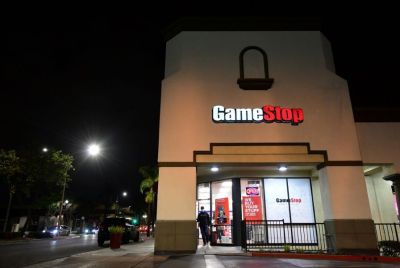
GameStop Shares Edge Lower to $21.13 on June 1 as Investors Weigh Cash Position and Retail Challenges
GameStop's cash reserves offer flexibility, but strategic direction remains uncertain amid industry shifts.
NEW YORK — GameStop Corp. shares slipped 0.24 percent to $21.13 in morning trading on Monday, June 1, 2026, as the meme stock continued to trade in a narrow range amid ongoing uncertainty about the company's long-term strategic direction despite a substantial cash reserve.
The modest decline reflected cautious investor sentiment at the start of the new month, with limited catalysts to drive significant movement in either direction. Trading volume remained elevated compared to traditional retail stocks, consistent with GameStop's status as a high-profile name that attracts both dedicated retail traders and short sellers.
GameStop has maintained a volatile trading pattern in 2026, with shares experiencing sharp swings driven by social media sentiment, short interest fluctuations and speculation around CEO Ryan Cohen's plans for the company. The video game retailer has transformed into something of a holding company with significant cash on hand, but its core brick-and-mortar business continues to face structural challenges from the shift to digital gaming.
Strong Cash Position Provides Flexibility
One of GameStop's clearest strengths remains its robust balance sheet. The company holds more than $4.6 billion in cash and equivalents, providing a significant financial cushion and strategic optionality. This war chest has fueled speculation about potential acquisitions, investments in new technology or even cryptocurrency-related initiatives under Cohen's activist-influenced leadership.
Ryan Cohen, who took the helm after a successful proxy battle, has focused on operational efficiency and exploring new revenue streams. The company has reduced costs, streamlined inventory and explored e-commerce improvements, though physical store sales continue to decline as consumers shift toward digital downloads and online marketplaces.
Analysts note that while the cash position offers downside protection — valued at roughly $14 per share by some estimates — the traditional retail operations face ongoing pressure. Revenue trends remain challenged as the video game industry evolves rapidly away from physical media.
Analyst Consensus Remains Cautious
Wall Street coverage of GameStop is limited but consistently cautious. The average 12-month price target sits around $13.50, implying notable downside from current levels. Ratings are split between Hold and Sell, with many analysts citing limited visibility into Cohen's long-term vision and the structural decline in physical game sales.
Some optimistic scenarios outside mainstream analyst circles project higher values if major strategic moves materialize, such as successful acquisitions or a pivot into technology or digital assets. However, conservative models place expected trading ranges between $12 and $28 for the year, reflecting skepticism about sustainable growth in the core business.
Short interest has moderated from earlier peaks but remains elevated compared to traditional retailers, sustaining the potential for volatility. The stock's meme heritage continues to influence trading patterns, with social media sentiment often driving short-term moves disconnected from fundamentals.
Recent Performance and Strategic Moves
GameStop reported improved fiscal 2025 results, with net income rising 219 percent year-over-year to $418.4 million and free cash flow reaching $597.3 million. These figures reflect cost-cutting measures and better inventory management, though same-store sales continued to decline.
The company has explored various strategic options, including an unsolicited $56 billion bid for eBay that was rejected. Rumors of Bitcoin treasury strategies and other unconventional moves have circulated, highlighting Cohen's willingness to think creatively about capital deployment.
Such speculation has kept the stock in the spotlight but has yet to translate into a clear, sustainable growth narrative for the retail operations. Investors remain divided between those betting on Cohen's vision and those concerned about the long-term viability of physical game retail.
Risks and Challenges Ahead
GameStop faces several structural risks. The video game industry's shift to digital distribution has reduced demand for physical copies, pressuring store traffic and margins. Competition from online retailers and digital platforms continues to intensify, making differentiation difficult.
Regulatory scrutiny around meme-stock trading and executive compensation remains a factor following past volatility. Potential dilution from capital-raising or share-based compensation could also weigh on shareholder value if not managed carefully.
On the positive side, the company's cash position provides a significant buffer against downturns and optionality for transformation. Successful deployment of capital into high-return opportunities could shift the narrative and support higher valuations.
Investment Considerations for 2026
Investors evaluating GameStop face a classic high-risk, high-reward scenario. Those with strong conviction in Ryan Cohen's ability to reinvent the company may see value in the cash-backed floor and potential for volatility-driven gains. However, fundamental analysts warn that without a credible long-term growth strategy, the stock could face sustained pressure.
Portfolio allocation should remain modest given the elevated volatility. Dollar-cost averaging or technical monitoring of support levels around $20 may appeal to speculative traders, while value-oriented investors often view the name as uninvestable at current valuations relative to declining operations.
Market participants should closely monitor short interest, options activity and any announcements regarding acquisitions or treasury strategies. Upcoming quarterly earnings will be critical for updates on operational performance and strategic direction.
Professional financial advice is strongly recommended before taking positions in highly volatile securities like GameStop. Market conditions can shift rapidly, and past performance does not guarantee future results.
Broader Market Context
GameStop's trajectory reflects evolving dynamics in retail and technology sectors. While traditional video game retailers face existential questions in a digital-first world, the company's meme heritage and activist oversight create unique optionality not found in standard equities.
As 2026 progresses, focus will remain on whether GameStop can transition from a legacy retailer into a more diversified technology or holdings company. The coming quarters will test management's ability to translate its strong cash position into sustainable shareholder value.
For now, the prevailing Wall Street view leans toward reduced exposure. While the story retains speculative appeal for a segment of retail investors, most institutional analysis points to limited upside without major strategic breakthroughs.
GameStop remains one of the market's most polarizing names. Its performance in the second half of 2026 will depend heavily on execution, market sentiment and the ability to capitalize on its financial flexibility amid industry challenges.
Monday's modest decline represents normal trading fluctuations rather than a fundamental shift. With a substantial cash reserve and an activist CEO, GameStop continues to occupy a unique position in the market, offering both opportunity and risk for those willing to navigate its volatility.
© Copyright 2026 IBTimes AU. All rights reserved.
- Recommended For You