

Elon Musk Warns AI Cash Crunch Will Be Nuts Next Year as Data Center Delays Threaten Hundreds of Billions
Rising data centre costs, project delays and financing pressures are widening the gap between AI investment and revenue.
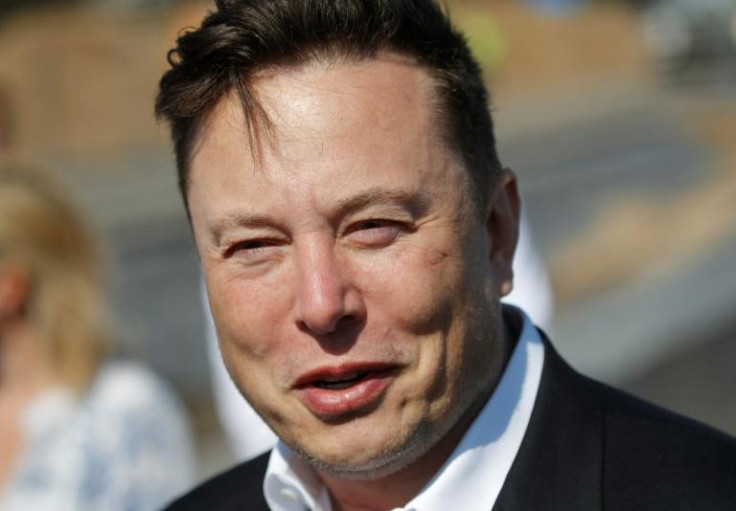
Elon Musk has warned that the artificial intelligence industry faces a severe cash shortage next year. He said the challenge of building and powering data centers is colliding with the huge sums needed to pay for them.
The billionaire chief executive of Tesla and SpaceX made the remarks Sunday, Nov. 22, on X. He was replying to a post showing that chipmakers trade at low valuations compared with the profits they are expected to earn.
"Getting this amount of compute turned on, cooled and working reliably is incredibly hard," Musk wrote. "The cash shortage is also going to be nuts next year."
Futu translated the remarks as "the cash crunch next year will be insane as well." It reported that Musk also asked where all the money would come from.
Delays hit the gap between spending and revenue
Musk's warning points to a weakness in the AI build-out that analysts have increasingly flagged. Companies pay for chips, power and buildings long before the computing capacity earns any money. When a facility comes online late, that gap widens.
Industry estimates suggest that a cumulative delay of even a few months between paying for compute and generating revenue could require hundreds of billions of dollars in extra financing across the sector.
Several bottlenecks are behind the slowdowns. They include long waits to connect to the electric grid, local opposition to large data center projects and slow permitting. Each can push back the date a facility starts producing revenue while the spending continues.
SpaceX's $44 billion financing
The comments came a day after investors financed about $44 billion of AI equipment for SpaceX. The deal shows how much outside capital Musk's own companies now need for the compute race.
Shares trading under the SPCX ticker fell 8% to $127.79 on Friday, as investors weighed the scale of the spending.
Some on Wall Street remain optimistic. Wedbush Securities analyst Dan Ives has said he expects SpaceX to become the largest AI hyperscaler. That view assumes the company can turn its huge investment into revenue-producing capacity.
Tesla, meanwhile, has made its own adjustments. It cut the memory in its AI4.5 hardware by 25% and is directing its next-generation AI5 chip to its Optimus humanoid robot program. Those moves come as demand from AI data centers tightens supplies of memory chips.
Credit markets split the AI trade
Musk's warning comes as lenders draw sharper lines between AI spenders. Credit markets have begun sorting companies into tiers. Cash-rich giants such as Microsoft, Alphabet and Amazon can fund much of their spending from operating cash flow. Companies that rely more on debt and outside investors face closer scrutiny.
For heavily financed players, the cost of a delay goes beyond waiting longer for revenue. Interest keeps accruing, lease payments come due and equipment can lose value before it is fully used. A tighter funding market next year, as Musk predicts, could force some projects to slow down or seek more expensive financing.
Two views of the build-out
Supporters of the AI boom argue that demand for computing power still exceeds supply. They expect the companies that secure capacity early to earn outsized returns once their data centers are running. In this view, chipmakers' low valuations relative to expected profits are an opportunity rather than a warning.
Skeptics see Musk's comments as confirmation that the industry's spending has outrun its ability to deploy capacity on schedule. If the gap between spending and revenue keeps widening, they say, financing strain could spread from weaker borrowers to the wider market.
Musk did not say which companies he expects to struggle most, or whether his own businesses would be affected. His remarks add a prominent voice to growing questions about how the AI industry will pay for its next phase of growth.
© Copyright 2026 IBTimes AU. All rights reserved.