Dow, S&P 500, Nasdaq Futures Climb Modestly as Trump's 10% Global Tariffs Take Effect Amid Uncertainty
U.S. stock futures edged higher Tuesday morning, February 24, 2026, offering a tentative rebound after Monday's sharp sell-off, as President Donald Trump's new 10% global tariff officially kicked in at midnight Eastern Time. The modest gains came despite ongoing investor unease over trade policy shifts, AI disruption fears and broader economic questions following last week's Supreme Court ruling that struck down much of Trump's earlier sweeping import levies.
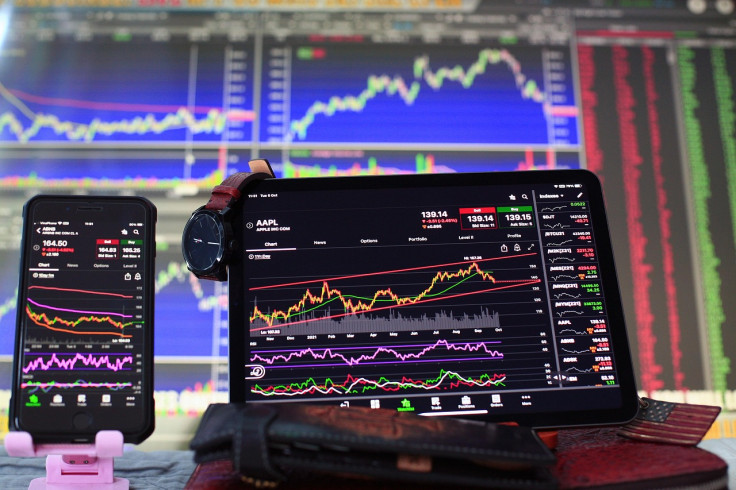
Dow Jones Industrial Average futures rose about 0.1% to 0.3%, S&P 500 futures were flat to up 0.2%, and Nasdaq 100 futures climbed 0.2% to 0.3% in pre-market trading, according to data from major brokers and exchanges. The moves signaled cautious optimism that the tariff rollout — at a lower-than-threatened 10% rate rather than the 15% Trump floated over the weekend — might prove less disruptive than feared, at least in the short term.
The tariffs, implemented under Section 122 of the Trade Act of 1974, apply to imports from nearly all countries for an initial 150-day period unless Congress intervenes or exemptions are granted. U.S. Customs and Border Protection confirmed the 10% ad valorem duty took effect as planned, with the White House indicating further adjustments could follow based on negotiations or compliance.
Monday's session saw heavy selling as markets digested the tariff uncertainty and a viral research note from Citrini Research warning of AI-driven disruptions to legacy industries like COBOL programming and enterprise software. The Dow plunged more than 800 points, or 1.7%, to close at 48,804.06, while the S&P 500 fell 1.0% to 6,837.75 and the Nasdaq Composite slid 1.1% to 22,627.27. Volatility spiked, with the VIX "fear index" closing above 21.
Tuesday's futures bounce reflected relief that the effective rate started at 10% rather than the higher 15% Trump had threatened Saturday in response to frustration over the Supreme Court's Friday decision. The court ruled that Trump's use of the International Emergency Economic Powers Act to impose broad "reciprocal" tariffs exceeded presidential authority, forcing a pivot to alternative legal tools.
Analysts noted the market's muted reaction as a sign of adaptation to ongoing trade volatility. "Investors are pricing in that tariffs are now a feature, not a surprise," said one strategist at Spartan Capital Securities. "The 10% level is digestible for now, and the threat of escalation keeps pressure on, but it's not the full-blown trade war some feared."
Sector rotation played a role in Monday's rout, with financials and software stocks hit hardest amid AI concerns. IBM tumbled more than 13% after reports that Anthropic's Claude Code could accelerate modernization of legacy COBOL systems, raising fears for companies reliant on older tech stacks. Payments firms like Adyen and software giants like SAP also declined sharply in Europe, where the Stoxx 600 fell 0.5%.
Broader concerns linger over inflation risks from higher import costs, potential retaliation from trading partners and supply chain disruptions. The EU, Japan and other allies have voiced protests, arguing the duties violate existing trade agreements. China, though not explicitly targeted in the initial rollout, remains a focal point for future escalations.
Treasury yields held steady Tuesday, with the 10-year note around 4.03%, as investors balanced tariff-driven inflation worries against expectations of Federal Reserve rate stability. Gold prices, which surged as a safe haven Monday, pulled back slightly.
The tariff rollout coincides with other market drivers, including anticipation for Nvidia's earnings report later this week and ongoing AI investment debates. President Trump's State of the Union address Tuesday night is expected to touch on economic issues, affordability and trade policy, potentially offering more clues on next steps.
As trading opens, attention will focus on whether the modest futures gains hold or if fresh headlines trigger renewed selling. For now, the market appears to be breathing easier after the initial shock, though trade uncertainty remains a dominant theme in early 2026.
© Copyright 2026 IBTimes AU. All rights reserved.
- MOST POPULAR IN News