August Jobs Report Disappoints With Only 275,000 Added
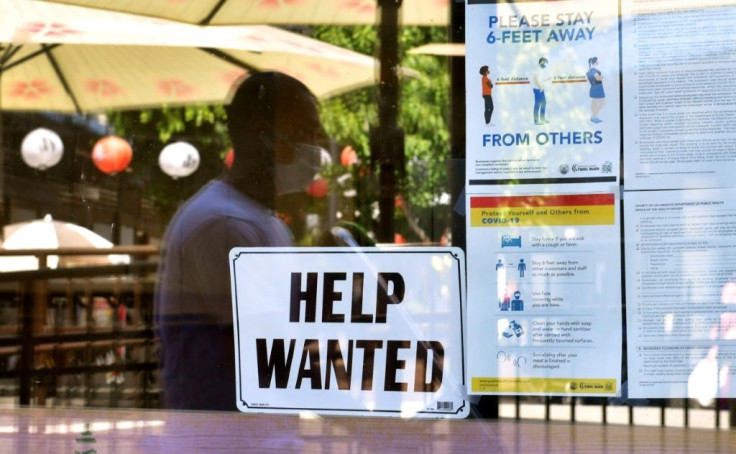
Weekly job growth sputtered in August with the overall number added falling sharply below expectations. In the Department of Labor’s data update, the U.S. economy’s newly added non-farm payroll jobs hit 275,000 versus the 720,000 forecasted by the Dow Jones, according to CNBC.
The Labor Department report showed that job growth has averaged 586,000 openings monthly. The number of jobs added in July was 1.1 million and for June it was 962,000, illuminating just how poor the showing was for August.
In a bright spot, overall unemployment inched slightly downwards from 5.4% to 5.2%, continuing the trend that the U.S. is steadily moving closer towards its pre-pandemic lows.
Why hiring slowed so dramatically in August remains an open question. The number of jobs estimated to be currently open is close to 10 million, yet employers are frequently complaining that they are unable to find people to fill these roles. In a recent survey, U.S. chief financial officers lamented that hiring has proven more difficult than before with 95% of CFOs surveyed sharing this view.
The immediate reason why hiring has stagnated may have to do with the COVID-19 Delta variant. Infections and hospitalizations have skyrocketed from Delta, but company executives said that the virus did not alter their outlooks much. Federal Reserve officials also stated in recent weeks that they saw COVID-19 as continuing to be a challenge, but believed the economy was adjusting to it.
Unemployment assistance is another often cited reason for restrained hiring. Proponents of this argument, which includes many Republican governors of large states, believe the federal unemployment benefits discouraged people from returning to work. Some states have cut unemployment aid early but data has not shown that it dramatically boosted hiring compared to states that maintained assistance programs. Federal unemployment programs are slated to expire on Sept. 10 as the economy continues its path to recovery.
Where the problem may lie is a softening in the unmet demand that fueled inflation fears throughout the summer. The pandemic is still enduring through the disruption it is causing for supply chains worldwide, which is continuing so far into the fall when retail centers are usually placing their orders for the winter shopping season. In fact, the Labor Department report adds a degree of credence to this angle by showing that the biggest job losses occurred in the retail section with 29,000 jobs lost.
August is also the last month of summer and the sectors that benefit most from the season, such as travel or leisure sectors, are seeing business slow as parents take their children back to school and return to the workplace. These sectors did not change, but the Labor Department notes that it was less a sign of the sector’s health and more the result of gains in one area being offset by losses in another.
The Federal Reserve is closely watching the jobs report ahead of its next policy meeting later this month. Chairman Jerome Powell announced last week that the central bank would likely be reducing its monthly asset purchases at an unspecified date, but a decline in hiring could concern the Fed enough to refrain from major actions.
- MOST POPULAR IN News