Warriors Shock NBA: Trade Jonathan Kuminga to Celtics for Kristaps Porzingis in Blockbuster Deadline Deal

The Golden State Warriors and Boston Celtics executed one of the most stunning trades of the 2026 NBA deadline on Feb. 5, sending 23-year-old forward Jonathan Kuminga to Boston in exchange for 30-year-old big man Kristaps Porzingis, sources confirmed to ESPN and The Athletic late Wednesday.
The deal, finalized hours before the 3 p.m. ET trade cutoff, also includes cash considerations and minor salary matching pieces but no draft picks, according to league sources. Warriors general manager Mike Dunleavy Jr. and Celtics president of basketball operations Brad Stevens both described the swap as mutually beneficial, though reactions from fans and analysts ranged from excitement to outright disbelief.
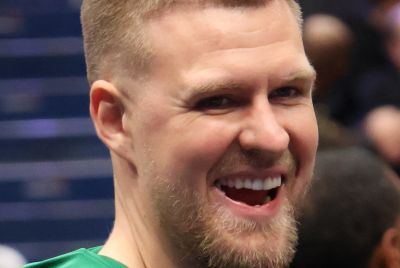
For Golden State, the acquisition of Porzingis — a 7-foot-3 stretch big who averaged 19.5 points, 7.2 rebounds and 2.1 blocks per game last season before a lingering ankle injury limited him to 42 appearances — addresses a long-standing need for size and rim protection alongside Draymond Green. Porzingis, who has one year and $36 million remaining on his contract after this season, gives the Warriors a high-upside veteran who can space the floor for Stephen Curry and Jimmy Butler while providing elite defensive versatility on the perimeter and in the paint.
Kuminga, selected seventh overall in 2021, had been a cornerstone of the Warriors' youth movement. The 6-foot-8 forward was averaging 16.8 points, 5.1 rebounds and 2.2 assists in 28.4 minutes this season while shooting a career-best 38.1% from three. Despite flashes of All-Star potential, contract extension talks stalled over the summer, and his role became inconsistent in a rotation that prioritized veteran experience during Golden State's push for another title run.
The Warriors entered the deadline sitting fourth in the Western Conference at 32-22, but defensive lapses and rebounding deficiencies had cost them several close games. Adding Porzingis — who ranked in the 92nd percentile for defensive versatility last season per NBA Advanced Stats — gives coach Steve Kerr a new chess piece to pair with Green and the Curry-Butler backcourt.
Boston, meanwhile, lands a young, athletic forward on a rookie-scale deal who fits seamlessly into their timeline. Kumingis joins a frontcourt rotation that already includes Al Horford, Jayson Tatum and Jaylen Brown, giving the Celtics explosive athleticism and secondary creation off the bench. At just 23, Kuminga remains under team control through 2026-27 (with a team option for 2027-28), making him a long-term asset for a franchise that has won two titles in the last five years and remains a perennial contender.
Trade Breakdown
Warriors receive:
- Kristaps Porzingis
- Cash considerations
Celtics receive:
- Jonathan Kuminga
No picks or additional players were involved, keeping both teams under the luxury-tax apron and preserving flexibility for future moves. The trade salary matched almost exactly, with Porzingis' $36 million salary slotting in for Kuminga's roughly $7.6 million this season (rising to $25 million+ in extensions had he re-signed).
Immediate Reactions & Analysis
Warriors fans flooded social media with mixed emotions. Many celebrated the addition of Porzingis' shooting and rim protection, especially after the team ranked 18th in defensive rating through January. Others lamented losing Kuminga, who had become a fan favorite for his explosive dunks and improving jumper.
"Porzingis gives us the unicorn we've needed since KD left," one fan tweeted. "But trading JK for one year of KP feels like selling low on a guy who could've been our future."
In Boston, the mood was celebratory. Kuminga's athleticism and slashing ability give the Celtics another dynamic wing to spell Tatum and Brown, while his youth aligns with the franchise's long-term planning even as they chase another banner.
Analysts quickly weighed in. ESPN's Bobby Marks gave the Warriors a B+ grade, noting Porzingis addresses immediate needs without sacrificing future assets. The Athletic's Shams Charania called it a "win-now move for Golden State and a youth infusion for Boston."
NBA insider Marc Stein described the deal as "vintage Warriors: trade youth for proven talent when the window is still open." He noted that Curry (age 38) and Butler (age 36) still have championship-level prime left, and Porzingis — if healthy — could be the missing piece for another deep playoff run.
Porzingis has battled injuries throughout his career, missing significant time with knee, ankle and Achilles issues. He played only 57 games combined over the previous two seasons before a strong but abbreviated 2024-25 campaign. The Warriors are banking on their sports-science staff and load-management philosophy to keep him on the floor.
For Kuminga, the move to Boston offers a chance to reset. In Golden State, he often came off the bench and played out of position at times. In Boston, he could carve out a larger role as a sixth man or small-ball four, learning from Tatum and Brown while competing for minutes in a winning environment.
Broader Deadline Context
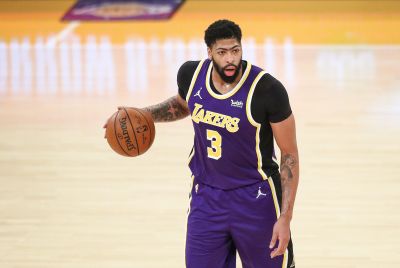
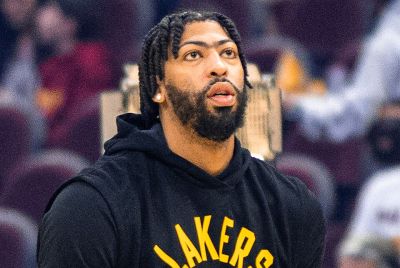
The trade caps a relatively quiet but high-impact deadline. Earlier Wednesday, the Mavericks sent Anthony Davis to Washington, and the Knicks acquired a veteran guard from Detroit. The Warriors-Celtics deal stands out for its star power and cross-conference implications — two perennial contenders swapping key pieces without picks changing hands.
Both teams remain in win-now mode. Golden State sits fourth in the West with a favorable playoff path, while Boston leads the East by three games despite recent injuries. The addition of Porzingis could push the Warriors past Denver and Oklahoma City in the standings, while Kuminga gives Boston insurance if Horford or Tatum miss time.
As the regular season enters its final stretch, all eyes will be on how quickly Porzingis integrates into Kerr's system. His floor-spacing (career 36.8% from three) and defensive length should complement Curry's gravity and Butler's mid-range game. For Boston, Kuminga's athleticism adds another weapon in transition and on cuts.
The deal also signals confidence from both front offices. Dunleavy, often criticized for conservative moves, made a decisive play to bolster the present. Stevens, known for patient rebuilding, took a calculated risk on a young talent with untapped upside.
For now, the NBA world reacts to the news: a generational prospect swapped for a proven unicorn big, all in pursuit of another championship banner.
© Copyright 2026 IBTimes AU. All rights reserved.
- Recommended For You