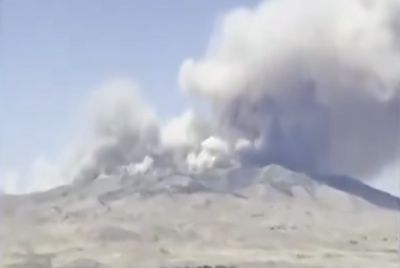
(VIDEO) Unusually Shallow Earthquakes Strike Near Area 51 Sparking Nuclear Test Speculation

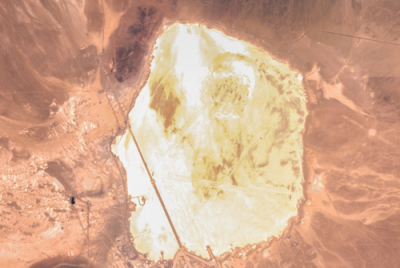
LAS VEGAS — A swarm of unusually shallow earthquakes rattled the remote Nevada desert near the secretive Area 51 military base this week, with at least 17 tremors recorded in a 24-hour period including a 4.4 magnitude quake that raised eyebrows among scientists and conspiracy theorists alike.
The strongest tremor struck at a depth of just 2.5 miles underground, far shallower than typical seismic activity in the region, which usually originates 6 to 12 miles below the surface. The U.S. Geological Survey confirmed the series of events, which were felt by residents in nearby communities, though no significant damage was reported.
Geophysicist Stefan Burns noted the atypical location and depth in a widely viewed analysis. "This is an unusual place to get an earthquake," he said, while cautioning that the activity is most likely natural. However, the shallow depths have fueled online speculation linking the quakes to possible underground nuclear testing at the highly classified facility, long a magnet for conspiracy theories involving advanced weapons and extraterrestrial activity.
Area 51, part of the Nevada Test and Training Range, has a documented history of nuclear weapons testing during the Cold War era. While the U.S. government has not conducted full-scale nuclear tests since 1992, some observers question whether subcritical or other experimental activities could produce seismic signatures resembling small earthquakes. Officials have not commented directly on the recent swarm, and experts emphasize that distinguishing between natural and human-caused seismic events can be challenging without detailed data.
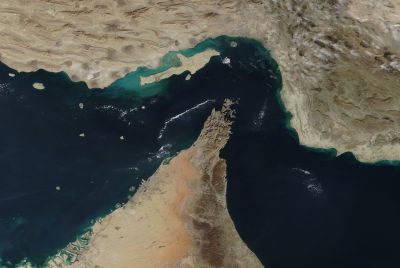
The timing of the earthquakes coincides with heightened global tensions, including disruptions in the Strait of Hormuz that have driven oil prices higher. Some online commentators have speculated about connections to military preparedness, though no evidence supports such links. Seismologists stress that Nevada experiences frequent small earthquakes due to its location along tectonic boundaries, but the concentration and shallowness near Area 51 stand out.
USGS data shows the quakes ranged from magnitude 2.5 to 4.4, with the largest occurring Wednesday afternoon. More than 100 people reported feeling shaking through the USGS "Did You Feel It?" system. The swarm follows similar clusters reported earlier in the year, though none matched this intensity or unusual characteristics.
Local residents in Rachel, Nevada — the closest community to Area 51 — described minor rattling of windows and dishes but no structural concerns. Tourism to the area, already boosted by Area 51 lore, may see another uptick as amateur investigators and curious travelers descend on the desert outpost. The base itself remains off-limits to the public, with warning signs and security patrols enforcing restricted access.
Scientists from the Nevada Seismological Laboratory are monitoring the region closely. Preliminary analysis suggests the events could relate to geothermal processes or natural fault movement in the Basin and Range province, a tectonically active area. However, the shallow focal depths warrant further study, as they can sometimes indicate human activity such as mining blasts or fluid injection, though those explanations are considered unlikely here.
Conspiracy communities on social media have exploded with theories ranging from secret weapons tests to underground alien bases. While most experts dismiss such claims, the government's historical secrecy around Area 51 lends credibility to public skepticism in some quarters. Declassified documents over the years have revealed testing of advanced aircraft and other projects, but nothing confirming current nuclear activity.
The U.S. Air Force, which operates the range, typically declines comment on specific activities at Area 51 for national security reasons. A spokesperson for the Nevada Test and Training Range said routine operations continue but offered no details on seismic monitoring. Independent seismologists note that any underground explosion capable of registering as a 4.4 quake would likely violate international test ban treaties if it involved nuclear material.
Broader context includes increased U.S. military activity in response to global flashpoints. With tensions involving Iran and oil supply concerns, some analysts wonder whether the quakes reflect stepped-up testing of conventional weapons or simulation exercises. However, no official linkage has been made, and natural explanations remain the consensus among geophysicists.
Residents and visitors to the area are advised to remain vigilant but not alarmed. Small earthquakes are common in Nevada, and the recent swarm, while notable, does not currently indicate heightened risk of larger events. The USGS continues to provide real-time updates through its earthquake tracking systems.
As investigations proceed, the shallow quakes near Area 51 add another chapter to the base's enigmatic reputation. Whether natural geology or something more secretive, the events highlight the enduring public fascination with one of America's most classified military installations. Scientists and officials will likely study the data for weeks to determine the precise cause.
© Copyright 2026 IBTimes AU. All rights reserved.
- Recommended For You