Taylor Swift Joins Matthew McConaughey in Trademark Push Against AI Deepfakes
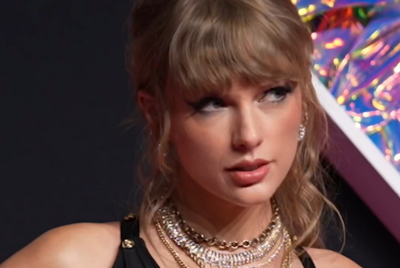
NEW YORK — Taylor Swift has filed trademark applications to protect her voice and likeness from AI-generated deepfakes, joining actor Matthew McConaughey and a small but growing group of celebrities seeking legal safeguards in an era of rapidly advancing artificial intelligence technology.

Swift's company, TAS Rights Management, submitted three applications to the U.S. Patent and Trademark Office on April 24, 2026. Two cover distinctive sound marks of her saying "Hey, it's Taylor Swift" and "Hey, it's Taylor" in promotional clips. The third protects a specific image from her Eras Tour showing her onstage with a pink guitar, wearing a multicolored iridescent bodysuit and silver boots.
The filings represent a proactive defense against unauthorized synthetic media. Intellectual property attorney Josh Gerben, who first highlighted the applications, described them as specifically designed to combat threats posed by AI deepfakes, fake endorsements and impersonations.
Swift is not alone. In January 2026, Matthew McConaughey became one of the first major celebrities to aggressively trademark elements of his persona. The Oscar winner secured eight federal trademarks covering his voice, image, video clips and his iconic "Alright, alright, alright" catchphrase from "Dazed and Confused." McConaughey told The Wall Street Journal his goal was to create "a clear perimeter around ownership" so that any use of his likeness requires explicit consent and proper attribution.
The trend reflects mounting anxiety across the entertainment industry. Generative AI tools now make it relatively simple and inexpensive to create convincing audio and video of celebrities saying or doing almost anything. High-profile incidents involving Swift — including fabricated political endorsements and non-consensual explicit images — have accelerated calls for stronger protections.
Other entertainers are exploring similar strategies. While comprehensive lists remain limited due to the novelty of these filings, legal experts report increasing interest from actors, musicians and athletes. Some high-net-worth individuals are quietly securing trademarks for signature phrases, distinctive vocal styles or iconic visual elements as preventive measures.
The legal landscape remains complex. Traditional right-of-publicity laws vary by state and often focus on commercial misuse, but they were not designed for today's AI capabilities. Trademark law offers one avenue for protection, particularly when specific audio or visual identifiers can be registered as distinctive marks. However, enforcement against anonymous online creators or overseas platforms presents significant challenges.
Industry groups, including the Screen Actors Guild and major record labels, have lobbied for federal legislation addressing non-consensual deepfakes. Some platforms have introduced watermarking systems or detection tools, but experts say technological solutions alone are insufficient without stronger legal frameworks.
Swift's move carries particular weight given her massive global influence and history of advocating for artists' rights. From her battles over music catalog ownership to public support for songwriters, she has consistently positioned herself as a protector of creative control. These trademark filings extend that philosophy into the digital realm.
McConaughey's earlier action set an important precedent. By trademarking specific performances and his voice, he established a legal foundation to challenge unauthorized AI uses. His team emphasized that the goal is not to stifle creativity but to ensure consent and compensation when likenesses are commercially exploited.
Legal scholars predict more celebrities will follow suit. As generative AI becomes more accessible and realistic, protecting personal brand elements could become standard practice for public figures. Some attorneys are already advising clients to proactively register distinctive aspects of their persona.
For fans and content creators, the development raises questions about fair use, parody and transformative works. Trademark law generally allows more leeway for non-commercial or satirical content, but the line between protected speech and infringement can be blurry in the AI context.
The filings also highlight broader societal concerns. As technology blurs the line between real and synthetic, issues of consent, identity and truth become increasingly complicated. Public figures worry about misinformation, reputational damage and loss of control over their personal brand.
Swift and McConaughey's actions may encourage regulatory responses. Lawmakers in several countries are considering bills that would require disclosure of AI-generated content or create new rights specifically addressing digital replicas. California and a few other states have already passed limited protections for digital likenesses.
As these cases develop, they could establish important legal precedents for how courts handle AI-related intellectual property disputes. Success for Swift and McConaughey might embolden others, while challenges could highlight the need for updated laws tailored to emerging technologies.
For now, the filings underscore a fundamental shift: in the age of AI, protecting one's voice and image requires proactive legal strategies that go beyond traditional copyright and publicity rights. Celebrities with significant cultural and commercial value are leading the way, but the implications extend to anyone whose likeness could be exploited online.
Whether these trademarks will fully deter misuse remains uncertain, but they send a powerful message. High-profile artists are no longer willing to leave their digital identities unprotected in an increasingly artificial world. As technology continues advancing, the battle over who controls our likenesses is only beginning.
© Copyright 2026 IBTimes AU. All rights reserved.
- Recommended For You