South Korean KOSPI Falls 2.7 Percent to 6,889.74 After Holiday as Foreigners Dump Chip Heavyweights
Foreign and institutional investors sold semiconductor heavyweights as higher US Treasury yields and uncertainty over the Middle East weighed on market sentiment.
KEY POINTS
South Korean KOSPI Falls 2.7 Percent to 6,889.74 After Holiday as Foreigners Dump Chip Heavyweights
SEOUL — South Korea's benchmark stock index fell 2.7 percent on Monday, its first session after the Chuseok holiday, as foreign and institutional investors sold semiconductor heavyweights and traders weighed higher U.S. bond yields.
The Korea Composite Stock Price Index closed at 6,889.74, down 191.18 points from the pre-holiday finish of 7,080.92, according to Yonhap News Agency. The drop ended a four-session winning streak that had carried the market through Sept. 23, the last trading day before the harvest break.
The KOSPI opened at 7,057.86, down 0.33 percent, then slid through the 7,000 level as selling gathered. The day's range ran from 7,065.90 to 6,889.68. Volume was 216.2 million shares worth 21.8 trillion won ($15.9 billion). Advancers outnumbered decliners 608 to 249 even as the cap-weighted index fell, a sign that losses were concentrated in the largest names.
Foreigners sold a net 3.2 trillion won of KOSPI shares. Institutions sold 1 trillion won. Individual investors bought 2.6 trillion won, Yonhap reported.
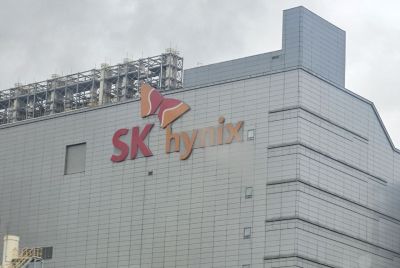
Samsung Electronics, the market's largest stock, fell 5.43 percent to 270,000 won. SK hynix dropped 5.05 percent to 1.77 million won after opening higher. SK Square, the parent of SK hynix, fell 7.56 percent to 1.1 million won.
Lee Kyung-min, a researcher at Daishin Securities, said: "Despite the AI momentum in the U.S. stock market, concerns about additional interest rate hikes from the Federal Reserve and macroeconomic uncertainties, including the situation in the Middle East, are impacting sentiment."
Wall Street had closed higher on Friday. The S&P 500 rose 0.51 percent, the Nasdaq Composite 0.48 percent and the Dow Jones Industrial Average 0.93 percent, Aju Press reported, citing AI-related buying. That bid did not transfer to Seoul's chip complex after the holiday.
U.S. 10-year Treasury yields had been near 5.17 percent at the Friday close and touched the 5.2 percent area during Korea's market holiday, levels Aju Press said were the highest since 2007. Seoul Economic Daily noted that the Fed had raised its policy rate for the first time in three years and two months, and that five-year AA-rated Korean corporate bond yields had climbed to 4.89 percent on Sept. 21 from 3.79 percent at the start of the year.
Investors were also digesting what Yonhap called murky prospects for the Middle East crisis. High oil prices tied to the prolonged conflict have been a drag on sentiment in local coverage, even as some reports said Brent later eased toward $104 a barrel on talk of a diplomatic path.
The won was weaker in morning trade. Yonhap quoted 1,361.2 per dollar at 11:20 a.m., down 4.2 won from the previous session's close.
The session was a classic post-holiday unwind. Four straight gains into Chuseok had rebuilt the 7,000 handle after a choppy September that included a mid-month slide through 6,600. When the exchange reopened, the same stocks that had led the rebound — memory chips — absorbed the selling. Foreigners and institutions took profits. Retail stood on the other side.
That split matters because the KOSPI's 2026 run has been a semiconductor story. Samsung and SK hynix dominate the index. When those two fall 5 percent together, the benchmark moves even if more stocks rise than fall. Monday's 608-to-249 advance-decline count and a 2.7 percent index drop describe that concentration.
The 52-week range in market data still stretches from about 3,413 to 9,385. Monday's close is well below the year's peak and back under 7,000. It is not a collapse by that yardstick. It is a reminder that the index lives and dies with memory prices, global yields and whether foreign cash stays.
No official at the Bank of Korea or the Financial Services Commission issued a market-direction comment in the close reports cited here. The tape was the statement: chips down, foreigners out, individuals in, 7,000 gone.
The next sessions will test whether Monday was holiday positioning or the start of a deeper reset. Yields near multiyear highs make growth stocks more expensive to hold. A drawn-out Middle East conflict keeps energy and inflation risk on the desk. AI demand is the offset that has supported SK hynix and Samsung through earlier swings. Lee's point was that those two forces are now in the same sentence.
For a market that doubled from year-ago levels near 3,500 in long-run series, a 191-point day is a large print. For a market that has already seen 9,000 and 5,500 in the same year, it is another rotation. The facts of Sept. 28 are simpler than the narrative: the holiday ended, foreigners sold chips, and the KOSPI closed at 6,889.74.
SEOUL — South Korea's benchmark stock index fell 2.7 percent on Monday, its first session after the Chuseok holiday, as foreign and institutional investors sold semiconductor heavyweights and traders weighed higher U.S. bond yields.
The Korea Composite Stock Price Index closed at 6,889.74, down 191.18 points from the pre-holiday finish of 7,080.92, according to Yonhap News Agency. The drop ended a four-session winning streak that had carried the market through Sept. 23, the last trading day before the harvest break.
The KOSPI opened at 7,057.86, down 0.33 percent, then slid through the 7,000 level as selling gathered. The day's range ran from 7,065.90 to 6,889.68. Volume was 216.2 million shares worth 21.8 trillion won ($15.9 billion). Advancers outnumbered decliners 608 to 249 even as the cap-weighted index fell, a sign that losses were concentrated in the largest names.
Foreigners sold a net 3.2 trillion won of KOSPI shares. Institutions sold 1 trillion won. Individual investors bought 2.6 trillion won, Yonhap reported.
Samsung Electronics, the market's largest stock, fell 5.43 percent to 270,000 won. SK hynix dropped 5.05 percent to 1.77 million won after opening higher. SK Square, the parent of SK hynix, fell 7.56 percent to 1.1 million won.
Lee Kyung-min, a researcher at Daishin Securities, said: "Despite the AI momentum in the U.S. stock market, concerns about additional interest rate hikes from the Federal Reserve and macroeconomic uncertainties, including the situation in the Middle East, are impacting sentiment."
Wall Street had closed higher on Friday. The S&P 500 rose 0.51 percent, the Nasdaq Composite 0.48 percent and the Dow Jones Industrial Average 0.93 percent, Aju Press reported, citing AI-related buying. That bid did not transfer to Seoul's chip complex after the holiday.
U.S. 10-year Treasury yields had been near 5.17 percent at the Friday close and touched the 5.2 percent area during Korea's market holiday, levels Aju Press said were the highest since 2007. Seoul Economic Daily noted that the Fed had raised its policy rate for the first time in three years and two months, and that five-year AA-rated Korean corporate bond yields had climbed to 4.89 percent on Sept. 21 from 3.79 percent at the start of the year.
Investors were also digesting what Yonhap called murky prospects for the Middle East crisis. High oil prices tied to the prolonged conflict have been a drag on sentiment in local coverage, even as some reports said Brent later eased toward $104 a barrel on talk of a diplomatic path.
The won was weaker in morning trade. Yonhap quoted 1,361.2 per dollar at 11:20 a.m., down 4.2 won from the previous session's close.
The session was a classic post-holiday unwind. Four straight gains into Chuseok had rebuilt the 7,000 handle after a choppy September that included a mid-month slide through 6,600. When the exchange reopened, the same stocks that had led the rebound — memory chips — absorbed the selling. Foreigners and institutions took profits. Retail stood on the other side.
That split matters because the KOSPI's 2026 run has been a semiconductor story. Samsung and SK hynix dominate the index. When those two fall 5 percent together, the benchmark moves even if more stocks rise than fall. Monday's 608-to-249 advance-decline count and a 2.7 percent index drop describe that concentration.
The 52-week range in market data still stretches from about 3,413 to 9,385. Monday's close is well below the year's peak and back under 7,000. It is not a collapse by that yardstick. It is a reminder that the index lives and dies with memory prices, global yields and whether foreign cash stays.
No official at the Bank of Korea or the Financial Services Commission issued a market-direction comment in the close reports cited here. The tape was the statement: chips down, foreigners out, individuals in, 7,000 gone.
The next sessions will test whether Monday was holiday positioning or the start of a deeper reset. Yields near multiyear highs make growth stocks more expensive to hold. A drawn-out Middle East conflict keeps energy and inflation risk on the desk. AI demand is the offset that has supported SK hynix and Samsung through earlier swings. Lee's point was that those two forces are now in the same sentence.
For a market that doubled from year-ago levels near 3,500 in long-run series, a 191-point day is a large print. For a market that has already seen 9,000 and 5,500 in the same year, it is another rotation. The facts of Sept. 28 are simpler than the narrative: the holiday ended, foreigners sold chips, and the KOSPI closed at 6,889.74.
© Copyright 2026 IBTimes AU. All rights reserved.
- Recommended For You