Intel Stock Buy or Sell in 2026: Strong Q1 Beat Fuels Debate After 23% Surge
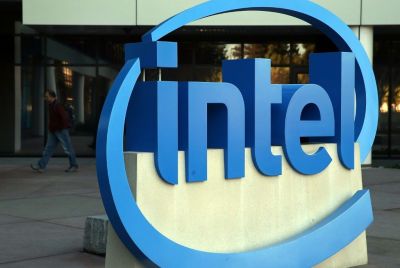
SANTA CLARA, Calif. — Intel Corp. delivered a blockbuster first-quarter 2026 earnings report that sent shares soaring more than 22% on Friday, reigniting the long-running debate over whether the chipmaker represents a compelling buy for investors or remains a risky turnaround story best approached with caution.
The semiconductor giant reported revenue of $13.6 billion, topping Wall Street expectations of around $12.4 billion, and adjusted earnings per share of 29 cents versus forecasts near 1-2 cents. Data Center and AI revenue jumped 22% to $5.1 billion, driven by strong demand for Xeon processors in AI infrastructure. The company also raised its second-quarter guidance, projecting revenue between $13.8 billion and $14.8 billion.
The massive post-earnings rally pushed Intel shares toward $82, extending a strong recovery that has seen the stock more than double year-to-date in 2026. Yet Wall Street's consensus rating remains a Hold, with an average 12-month price target around $50-$70 — well below current levels after Friday's surge.
Bullish analysts argue Intel is finally hitting an inflection point. CEO Lip-Bu Tan's leadership has stabilized operations, improved yields on the critical 18A manufacturing node, and secured partnerships with hyperscalers. The foundry business is gaining traction with external customers, and AI tailwinds provide a clear growth runway. Several firms raised price targets post-earnings, with some seeing upside to $90-$110 if execution continues.
"Intel is no longer just surviving — it's showing real signs of thriving in the AI era," one analyst noted after the report. The company's U.S.-based manufacturing push, supported by CHIPS Act incentives, also aligns with national security priorities and could drive long-term contracts.
Bears, however, point to persistent challenges. Intel still reports GAAP losses, high capital expenditures, and intense competition from AMD, Nvidia, and TSMC. Valuation multiples have expanded rapidly, leaving limited room for error. Some forecasts see the stock struggling to hold recent gains if AI spending moderates or foundry losses persist.
Consensus among roughly 40 analysts leans Hold, with a mix of Buy, Hold, and Sell ratings. The wide dispersion in targets — from lows near $30 to highs above $100 — reflects deep uncertainty about Intel's ability to sustain momentum.
For investors considering a position in 2026, the case for buying rests on several factors. Intel's Data Center and AI segment shows genuine acceleration, custom ASIC opportunities are expanding, and the 18A node is in high-volume manufacturing with improving yields. The balance sheet provides flexibility, and geopolitical support for domestic semiconductor production remains strong.
Risks include execution on foundry external customers, margin pressure from competition, and potential macro slowdowns affecting broader chip demand. Short-term volatility remains high, as evidenced by Friday's dramatic move.
Longer-term bulls see a path to $100+ if Intel captures even modest share in AI infrastructure and foundry markets. Bears warn that history is littered with turnaround stories that faltered after early promise. Most advisors recommend sizing positions carefully and maintaining diversification.
Intel's transformation under Tan represents one of the most watched corporate turnarounds in tech. The company has delivered six consecutive earnings beats, rebuilt credibility with investors, and positioned itself at the center of AI infrastructure and sovereign manufacturing trends. Yet the stock's rapid run-up means new buyers are paying a premium for future success.
Institutional ownership has increased, and retail interest remains elevated following the earnings reaction. Options activity shows bullish sentiment, though implied volatility remains elevated.
Ultimately, whether to buy, sell, or hold Intel in 2026 depends on individual risk tolerance, time horizon, and conviction in the company's ability to execute. The latest results provide encouraging evidence of progress, but sustained delivery across multiple quarters will be required to justify current valuations.
As the semiconductor cycle evolves and AI spending patterns clarify, Intel stands at a critical juncture. For patient investors comfortable with volatility, the company offers exposure to multiple secular growth trends. For those seeking stability, other names in the sector may present lower-risk opportunities.
Friday's surge serves as a powerful reminder of the market's willingness to reward positive surprises. Intel has momentum, but turning that into sustained outperformance remains the central challenge — and opportunity — for the rest of 2026 and beyond.
© Copyright 2026 IBTimes AU. All rights reserved.
- Recommended For You