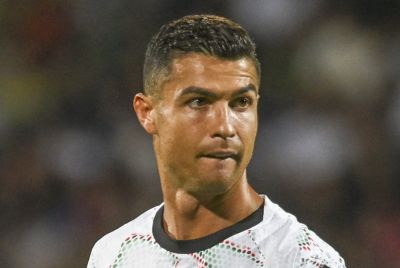
Cristiano Ronaldo's Hamstring Injury Recovery Raises Questions on 2026 World Cup Performance Impact
LISBON, Portugal — Cristiano Ronaldo's recent hamstring injury has sparked debate over whether the 41-year-old superstar can deliver peak performance at the 2026 FIFA World Cup, though Portugal coach Roberto Martinez and club updates suggest the setback poses minimal long-term threat to the five-time Ballon d'Or winner's participation or output.
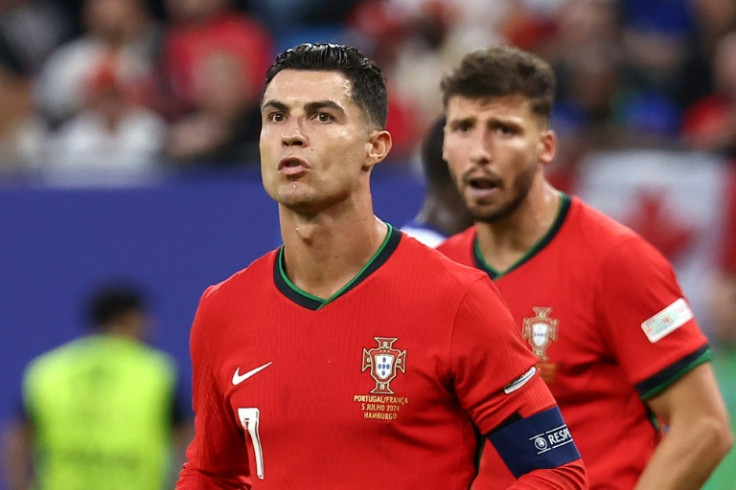
Ronaldo sustained the right hamstring injury on Feb. 28, 2026, during Al-Nassr's Saudi Pro League match against Al-Fayha, forcing him to limp off the field. The club initially described it as a muscle issue requiring rehabilitation, with early estimates of two to four weeks sidelined. Al-Nassr coach Jorge Jesus later noted the injury appeared more serious than first thought after further tests, prompting Ronaldo to travel to Madrid for specialized treatment.
The timing raised eyebrows. With the World Cup set to kick off June 11 in the United States, Canada and Mexico, the injury came just months before what could be Ronaldo's sixth and final appearance on football's grandest stage. He missed Portugal's March friendlies against Mexico and the United States as a precaution, heightening concerns among fans about his fitness at an age when recovery typically slows.
Yet recent developments paint a more optimistic picture. By early April 2026, Ronaldo had returned to full training with Al-Nassr. On April 3, he marked his comeback in style, scoring a brace — including a penalty and a powerful strike — in a 5-2 victory over Al-Najma. The performance pushed his official career goal tally to 967, edging closer to the landmark 1,000. Fabrizio Romano and other reporters confirmed Ronaldo is now available for club duty and expected to rejoin the Portugal squad without issue.
Martinez has repeatedly downplayed the concerns. "Cristiano's injury is similar to those of Ruben Dias and Nelson Semedo. He is recovering well, and this is not an issue that should raise doubts about his participation in the World Cup," the coach said after Portugal's warm-up matches. He emphasized that the squad has about 60 days to monitor all players and described the problem as a minor muscle injury, not a threat to Ronaldo's place. "The World Cup is not at risk. He is not at risk," Martinez added.
Ronaldo himself shared positive updates on social media, posting gym photos with the caption "Getting better every day." His legendary work ethic — often cited as the foundation of his longevity — remains evident. Even at 41, he maintains elite conditioning through rigorous routines, a factor Martinez highlighted when praising the forward's physical shape this season.
The injury's potential impact on performance is multifaceted. Hamstring strains can affect speed, acceleration and explosive movements critical for a striker like Ronaldo, who relies on bursts to beat defenders and finish chances. A grade 1 or mild grade 2 strain typically heals within weeks with proper rehab, but incomplete recovery risks re-injury or reduced sharpness. At Ronaldo's age, experts note that muscle resilience diminishes, making prevention and gradual return essential.
Portugal's Group K includes DR Congo, Uzbekistan and Colombia, with matches starting June 17 against DR Congo in Houston. Ronaldo scored five goals during qualifying, underscoring his enduring value. While younger talents like Bruno Fernandes, Bernardo Silva and Rafael Leao provide creative firepower, Ronaldo's leadership, aerial ability and penalty prowess remain central to Portugal's ambitions. Many analysts argue the team plays with greater confidence when their captain is on the pitch, even if his starting minutes are managed.
Historical context bolsters optimism. Ronaldo has overcome numerous injuries throughout his career, including hamstring issues at Real Madrid and Juventus. His ability to return stronger — often through sheer determination and science-backed recovery — is well-documented. In the Saudi Pro League this season, he has been Al-Nassr's top scorer with 23 goals in 22 appearances before the layoff, demonstrating sustained form.
Still, some observers caution that cumulative wear could influence his World Cup output. Ronaldo has played over 1,200 senior matches, a staggering workload. Reduced explosiveness might limit his pressing or late-game impact, prompting Martinez to rotate more or deploy him as a focal point rather than a constant runner. Portugal's depth allows flexibility; the side advanced comfortably without him in March friendlies.
Public reaction mixes concern with unwavering faith. Social media buzzed with #Ronaldo2026 hashtags during his absence, while his comeback brace quieted many doubters. Supporters point to his record: top scorer in qualifying, consistent club contributions and unmatched mental fortitude. Critics, however, highlight the realities of age, noting that even icons like Lionel Messi have seen physical decline in later years.
Medical perspectives vary. Typical hamstring recovery timelines suggest Ronaldo should be fully fit by mid-April, giving him nearly two months of competitive play before the tournament. Strength and conditioning programs focusing on eccentric loading and flexibility will be key to rebuilding confidence in the muscle. Portugal's medical staff will collaborate closely with Al-Nassr to ensure a seamless transition.
Beyond individual performance, the injury narrative underscores broader themes in modern football: player longevity, load management and the balance between club and country duties. Ronaldo's move to Al-Nassr in 2023 drew scrutiny over competitive level, yet he has thrived, using the league as a platform to chase records while preparing for international duty.
As April 2026 progresses, all eyes remain on Ronaldo's minutes and output for Al-Nassr. A strong run of form would silence remaining doubts heading into Portugal's final pre-tournament preparations. Martinez has made clear that selection hinges on current standards, not past glory — a benchmark Ronaldo has met throughout his career.
For Portugal, reaching the knockout stages and beyond depends on collective strength, but few doubt Ronaldo's motivational role. Whether he starts every match or impacts as a substitute, his presence could prove decisive in tight contests against Colombia or in potential later rounds.
The 2026 World Cup offers Ronaldo a chance to add to his legacy as one of football's greatest. While the hamstring episode briefly clouded the outlook, his swift return and positive signals suggest the setback will not significantly derail his performance. With months of monitoring ahead and his trademark dedication intact, the Portuguese icon appears on track to lead his nation once more on the global stage.
Football enthusiasts continue to debate the fine line between caution and optimism. Ronaldo's body of work suggests he will arrive in North America ready to compete. As the tournament draws nearer, his fitness will be tracked daily, but early indications point to business as usual for one of the game's most resilient figures.
Key Timeline:
- Feb. 28, 2026: Injury sustained vs. Al-Fayha
- March 2026: Missed Portugal friendlies
- Early April 2026: Returned to Al-Nassr training and scored brace
- June 11, 2026: World Cup begins
Portugal opens Group K play June 17 against DR Congo. For the latest on Ronaldo's status and World Cup preparations, follow official FIFA and Portugal national team channels.
© Copyright 2026 IBTimes AU. All rights reserved.
- Recommended For You